Blood Test Helps Bladder Cancer Patients Skip Surgery
A new blood test can predict which bladder cancer patients can safely keep their bladder instead of undergoing surgery. In a clinical trial, 80% of patients who avoided immediate surgery remained cancer-free after two years.
Doctors have found a way to help bladder cancer patients avoid life-changing surgery while staying just as safe.
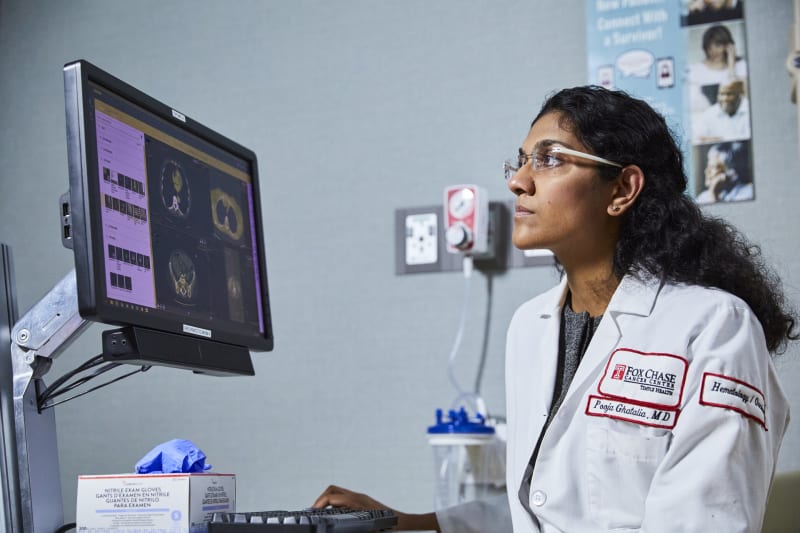
Researchers at Fox Chase Cancer Center discovered that a simple blood test can identify which patients with muscle-invasive bladder cancer can skip having their bladder removed. The test looks for circulating tumor DNA, tiny fragments left behind as cancer cells die during treatment.
Keeping the bladder matters tremendously to patients. Bladder removal surgery not only carries serious complication risks but also requires patients to wear a urine bag permanently, dramatically affecting their quality of life.
The RETAIN-2 clinical trial treated over 70 patients with a combination of chemotherapy and an immunotherapy drug called nivolumab. Patients whose cancer completely responded entered careful monitoring instead of immediate surgery.
The results proved encouraging. After two years, 80% of patients who kept their bladders remained free of metastatic cancer.
The blood test proved highly accurate at predicting which patients would develop spreading cancer. Patients with detectable tumor DNA after treatment showed much higher risk of metastasis, helping doctors decide who truly needs surgery.
However, the test had an important limitation. While 22 patients developed cancer recurrence within their bladder, the blood test missed 19 of these cases, meaning doctors still need additional monitoring tools for local recurrences.
The Bright Side
This breakthrough means doctors can finally offer personalized treatment plans based on each patient's unique biology. New chemotherapy and immunotherapy combinations are proving effective enough that many more patients may qualify for bladder preservation in the future.
The team plans to follow patients for five years to confirm long-term outcomes. They're already designing the RETAIN-3 trial, which will use this blood test as a standard part of treatment planning.
Lead researcher Dr. Pooja Ghatalia says the test fills a crucial gap in treatment decisions, helping identify which patients can safely avoid surgery while catching those who need more aggressive intervention.
For bladder cancer patients facing difficult choices, this research offers something invaluable: a clearer path forward that preserves both health and quality of life.
More Images


Based on reporting by Medical Xpress
This story was written by BrightWire based on verified news reports.
Spread the positivity!
Share this good news with someone who needs it