Blood Test Joins Cancer Screening Options for First Time
A simple blood test has joined the list of approved colorectal cancer screening options, offering hope for millions who avoid traditional testing. This breakthrough could help catch more cancers early when they're most treatable.
Getting screened for colorectal cancer just became easier for people who've been putting it off.
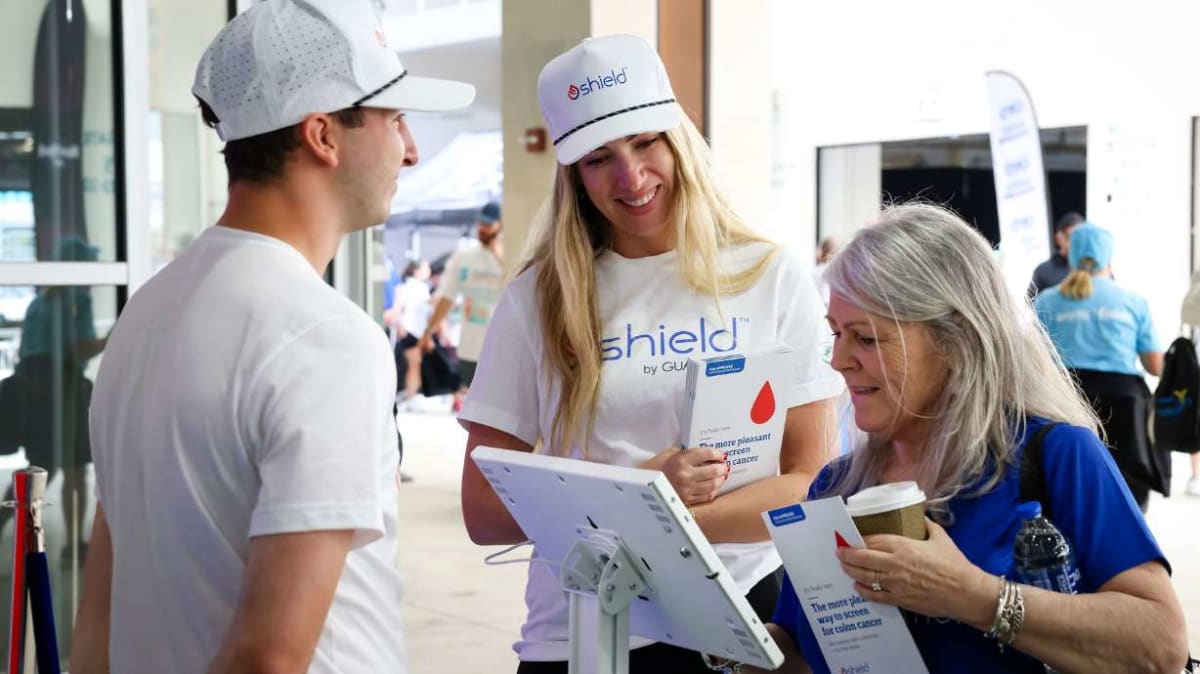
The American Cancer Society just added blood testing to its screening recommendations for the first time. The Shield test, approved by the FDA in 2024, gives people a new way to check for colorectal cancer without a colonoscopy or stool sample.
The timing matters. Colorectal cancer is now the leading cause of cancer death for both men and women under 50 in the United States. Cases are rising among younger people, yet many skip screening because they find the existing options uncomfortable or invasive.
The new blood test works for adults 45 and older at average risk who haven't completed or declined other screening methods. Patients simply give a blood sample that gets analyzed for molecular markers associated with colorectal cancer.
Dr. William Dahut, chief scientific officer for the American Cancer Society, sees this as meeting people where they are. "There are a lot of people who can't or won't do a colonoscopy, or the idea of collecting their own stool for testing, they just won't do," he said. "Having more options hopefully will allow more people to be screened to find cancers earlier on."
Early detection changes everything. More than 90% of people who catch colorectal cancer at stages one and two survive at least five years. When found early, treatment can start immediately, giving patients their best shot at beating the disease.
The blood test isn't perfect. It doesn't catch precancerous polyps as well as colonoscopies or stool tests do. That's why doctors still recommend visual exams and stool tests first for people willing to do them.
The Bright Side
The American Cancer Society also added two new at-home stool tests to the screening options: Cologuard Plus and ColoSense. These join the blood test as part of a broader push to make screening accessible to everyone, regardless of their comfort level or circumstances.
Dr. Ursina Teitelbaum of Penn Medicine calls the updated guidelines "very forward thinking and reality-based." She notes that while imperfect, the new options acknowledge that getting screened matters more than waiting for the perfect test.
More blood tests are coming too. Researchers expect future versions will perform even better, continuing to break down barriers that keep people from getting screened.
For the millions who've avoided colorectal cancer screening, there's finally an option that fits their needs.
More Images




Based on reporting by Google News - Health
This story was written by BrightWire based on verified news reports.
Spread the positivity!
Share this good news with someone who needs it