Blood Test May Predict Cancer Treatment Success in Young Men
Researchers developed a blood test that could help doctors decide which chemotherapy will work best for young men with testicular cancer. This breakthrough could spare patients from aggressive treatments that won't help them while identifying better options.
Young men facing testicular cancer may soon get better answers about which treatments will actually work for them, thanks to a simple blood test that reads their tumor's genetic fingerprint.
Researchers at the Princess Máxima Center for Pediatric Oncology studied 95 young adults with germ cell tumors, the most common cancer in men aged 15 to 35. They discovered that tiny fragments of tumor DNA circulating in the bloodstream can predict whether chemotherapy will be effective.
The timing couldn't be more critical. One in ten young men with testicular cancer doesn't respond well to standard chemotherapy, and despite receiving aggressive high-dose treatment, half of them ultimately die from the disease. Until now, doctors had no reliable way to predict who would benefit from this intensive therapy and who wouldn't.
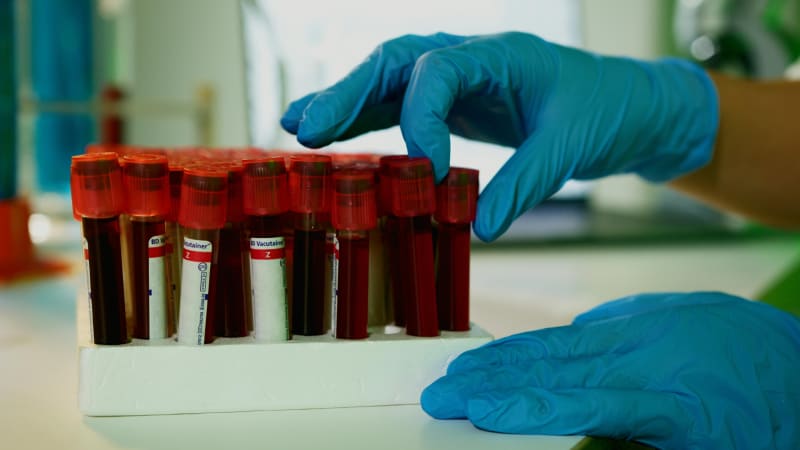
The team analyzed blood samples before and during chemotherapy, searching for specific genetic changes that signal resistance to treatment. They found that patients with high levels of tumor DNA in their blood had significantly poorer survival rates. Even more importantly, they identified specific genetic patterns that could guide treatment decisions.
For patients with high tumor fractions, the research showed that high-dose chemotherapy worked better than standard treatment. This knowledge could help doctors personalize care, sparing some patients from grueling treatments that won't help while steering others toward therapies that might save their lives.
Why This Inspires
This research represents hope for better quality of life, even in difficult circumstances. Instead of putting every patient through the same aggressive protocol, doctors may soon tailor treatments based on what each person's tumor DNA reveals. That means fewer unnecessary side effects and more time for patients to spend with loved ones when standard treatments aren't working.
The minimally invasive nature of the test makes it even more appealing. A simple blood draw could replace more invasive procedures while providing crucial information about disease progression and treatment response.
The researchers are now planning to validate these findings in a larger group that includes children and adolescents with germ cell tumors. If confirmed, this approach could become standard practice within a few years. Beyond improving treatment decisions, the genetic insights could also help scientists develop new therapies that are both more effective and less toxic.
For young men facing one of the toughest battles of their lives, this breakthrough offers something invaluable: personalized answers that could lead to better outcomes and more informed choices about their care.
More Images


Based on reporting by Medical Xpress
This story was written by BrightWire based on verified news reports.
Spread the positivity!
Share this good news with someone who needs it