Blood Test May Predict When Alzheimer's Symptoms Will Start
Scientists have developed a blood test that could predict not only if someone will develop Alzheimer's disease, but when symptoms might appear. The breakthrough could help doctors intervene earlier when treatments work best.
Imagine knowing years in advance when Alzheimer's symptoms might begin, giving you precious time to prepare and potentially slow the disease. That future just got closer.
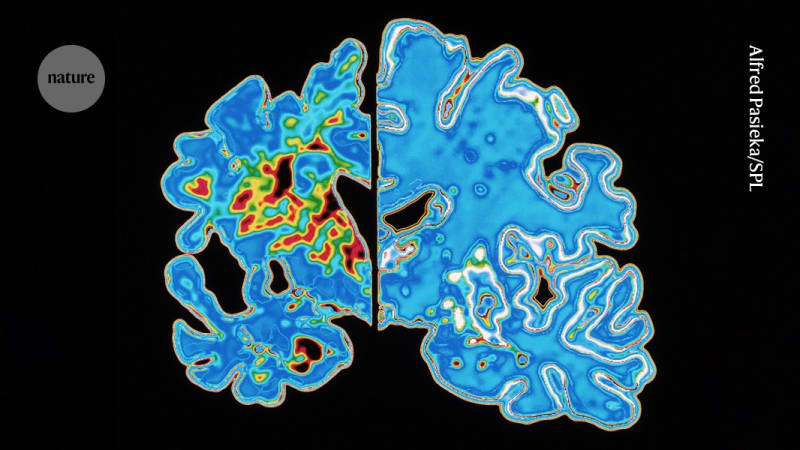
Researchers have developed a blood test that acts like a molecular clock for Alzheimer's disease. Published in Nature Medicine this February, the test tracks an abnormal form of tau protein that builds up in the brain long before memory loss and other symptoms appear.
The test could transform how doctors fight this devastating disease. Right now, by the time someone shows symptoms, significant brain damage has already occurred. Earlier detection means earlier treatment, when medications and interventions have the best chance of working.
Dr. Suzanne Schindler, a neurologist at Washington University School of Medicine who led the study, explains the advantage over current methods. Brain imaging can detect tau tangles, but those scans are expensive and cumbersome. A simple blood draw could make monitoring accessible to millions more people.
The timing prediction matters most for clinical trials. Researchers testing new Alzheimer's treatments could identify the right participants and measure whether drugs successfully delay symptom onset. That could speed up the development of better treatments and make trials cheaper to run.
Why This Inspires
This breakthrough represents hope for the 6.9 million Americans living with Alzheimer's and their families. The disease has long felt like an unstoppable force, but tools like this blood test shift the narrative from helpless waiting to proactive preparation.
Dr. Howard Fink, a physician at the Minneapolis Veterans Affairs Health Care System, sees the potential. Predicting when patients might develop symptoms could help design better interventions to prevent or delay that critical moment when the disease takes hold.
The research team urges caution, though. While some companies already sell at-home tau blood tests, Schindler recommends waiting for larger validation studies. People without cognitive symptoms shouldn't rush to test themselves yet.
The next steps involve confirming these findings in bigger, more diverse groups of patients. If the test proves reliable, it could become a standard tool in doctor's offices within a few years, giving families the gift of time and the power of early action.
More Images



Based on reporting by Nature News
This story was written by BrightWire based on verified news reports.
Spread the positivity!
Share this good news with someone who needs it