Blood Test Predicts Alzheimer's Years Before Symptoms
Boston scientists discovered a simple blood test can detect Alzheimer's disease years before brain scans show changes or symptoms appear. The breakthrough could help millions get earlier treatment and push back the clock on this devastating disease.
Imagine catching Alzheimer's disease before it even shows up on a brain scan.
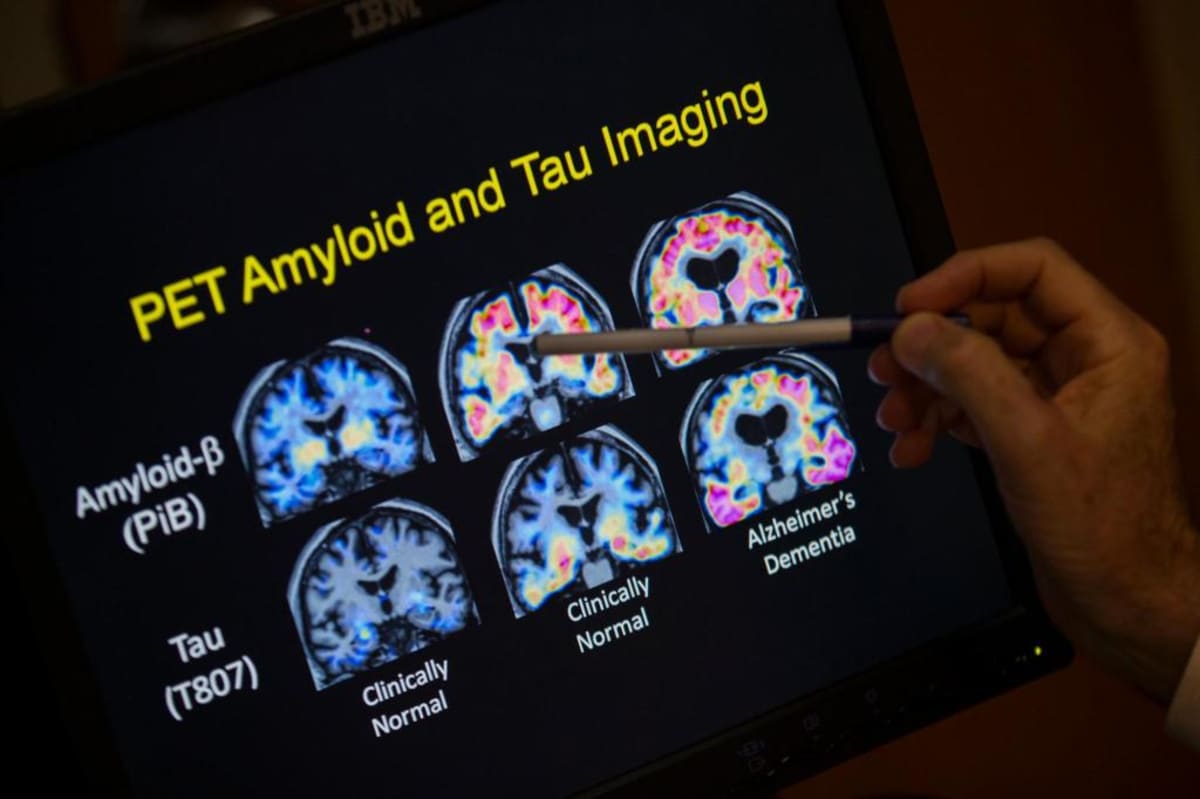
Boston researchers at Mass General Brigham just made that possible. In a groundbreaking eight-year study, they found that a blood test measuring pTau217 protein can predict Alzheimer's progression years earlier than any existing method.
The team followed 317 healthy adults aged 50 to 90, tracking their blood levels alongside brain scans and cognitive tests. What they discovered was remarkable: elevated pTau217 levels flagged future Alzheimer's pathology even when brain scans looked completely normal.
"We used to think that PET scan detection was the earliest sign of Alzheimer's disease progression," said lead author Dr. Hyun-Sik Yang, a neurologist with Mass General Brigham. "But now we are seeing that pTau217 can be detected years earlier."
The timing matters enormously. Traditional PET scans can spot amyloid buildup 10 to 20 years before symptoms emerge, but this blood test pushes that window back even further.
Just as importantly, people with low pTau217 levels stayed amyloid-negative for years. That means the test works both ways: identifying who's at risk and reassuring those who aren't.
The Ripple Effect
This discovery arrives at the perfect moment. Last year, the FDA approved the first blood test for Alzheimer's, opening doors to cheaper and less invasive screening than lumbar punctures or expensive brain scans.
Now this research proves these blood tests can do more than diagnose. They can predict and prevent.
The implications extend far beyond individual patients. Clinical trials for Alzheimer's prevention drugs have struggled to find participants early enough in the disease process. A simple blood test could identify ideal candidates years sooner, accelerating the path to treatments that actually work.
Co-senior author Dr. Jasmeer Chhatwal sees the bigger picture. "By anticipating who's going to turn amyloid-positive in the future, we are trying to push back the clock to enable earlier Alzheimer's disease prediction."
The researchers envision a future where pTau217 testing becomes routine during annual checkups, like cholesterol screening. Catching Alzheimer's in its earliest stages could mean more time for interventions, lifestyle changes, and eventually, prevention.
While it's too early to recommend widespread testing for older adults, the science is moving fast from lab to clinic.
For the millions of families touched by Alzheimer's, this blood test represents something precious: hope measured in years gained.
More Images

Based on reporting by Google News - Researchers Find
This story was written by BrightWire based on verified news reports.
Spread the positivity!
Share this good news with someone who needs it