Blood Test Predicts Cancer Treatment Success
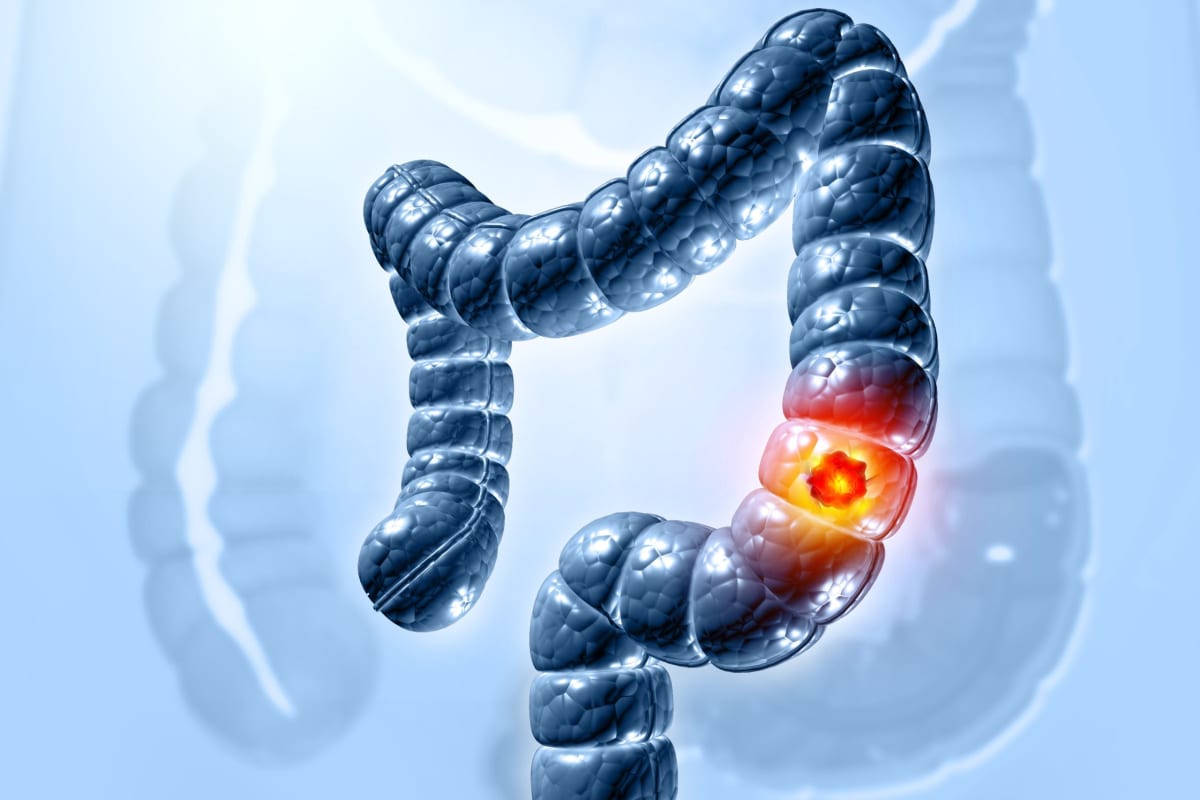
Stanford and Mayo Clinic researchers developed a simple blood test that reveals how cells around tumors behave, helping doctors choose the most effective cancer treatments. The breakthrough could transform cancer care from guesswork into precision medicine.
Doctors may soon predict which cancer treatments will work best for each patient using just a simple blood test.
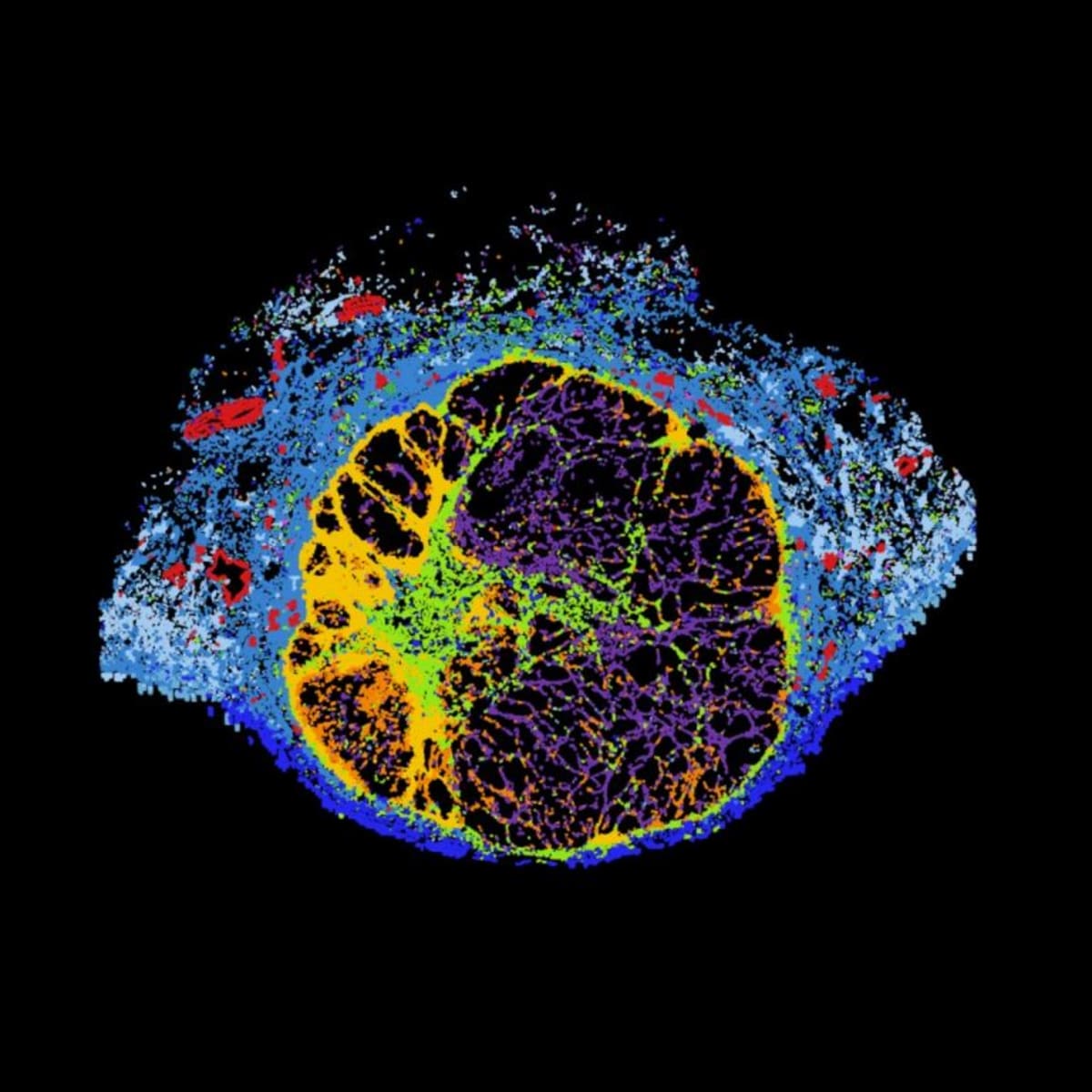
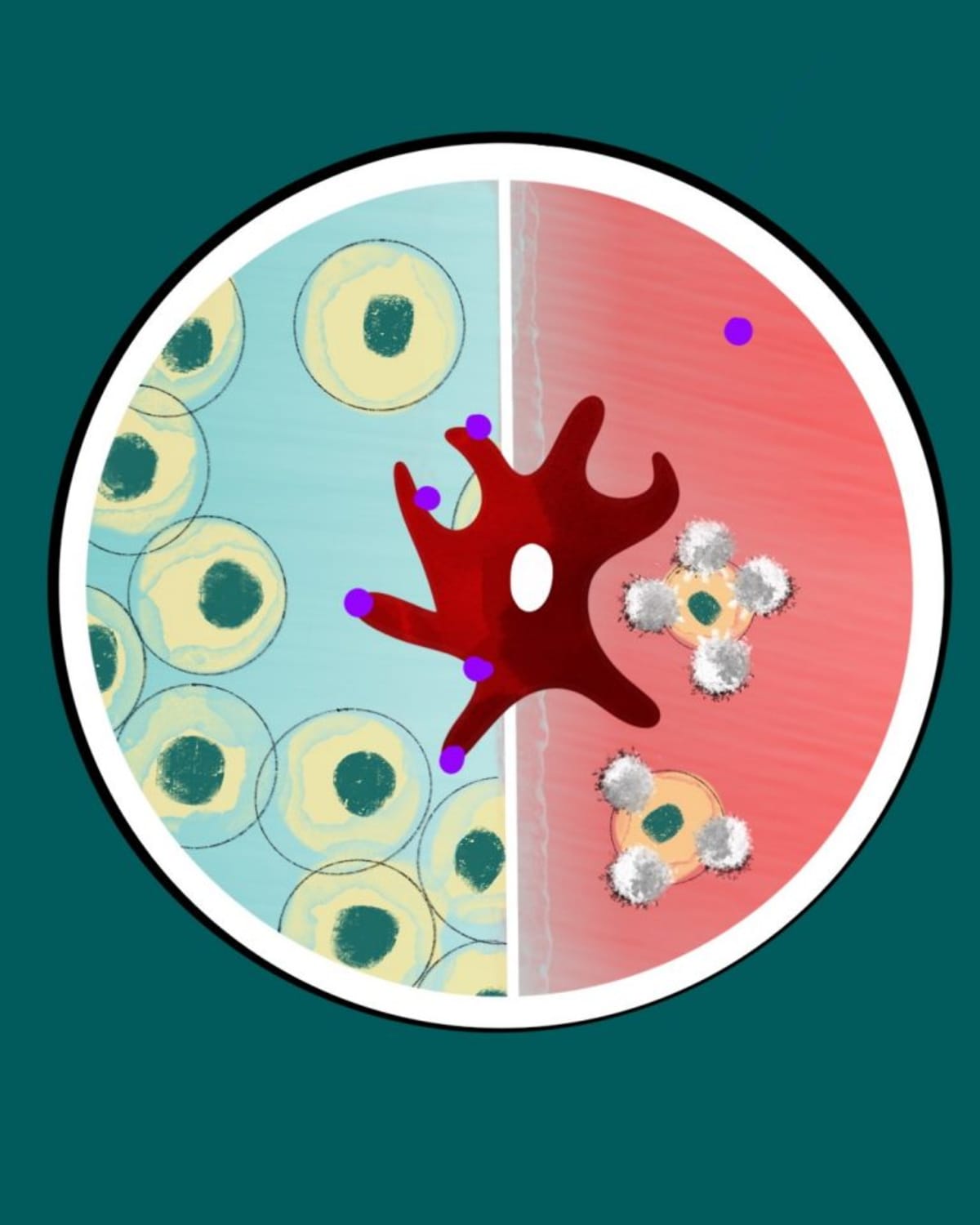
Researchers at Stanford Medicine and the Mayo Clinic discovered a way to study the "neighborhood" of healthy cells surrounding tumors without invasive biopsies. This cellular neighborhood, called the tumor microenvironment, plays a huge role in determining whether treatments succeed or fail.
"To date, cancer therapy has been very much like whack-a-mole," said Dr. Aaron Newman, associate professor of biomedical data science at Stanford. Even patients with similar tumors often respond completely differently to the same treatments, leaving doctors puzzled about why.
The answer lies in the ecosystem of cells around the tumor. Cancer cells are surprisingly cunning, convincing nearby healthy cells to help them grow. They trick blood vessels into delivering nutrients, persuade immune cells to ignore their presence, and recruit support cells to build protective scaffolds.
The research team used machine learning tools to map these cellular relationships across more than 100 tumor specimens from 10 different cancer types. They identified nine distinct cellular neighborhoods that appear in all cancers, from breast to lung to colorectal.
Several of these neighborhoods directly correlate with whether immunotherapy will work. That means doctors could potentially test a patient's blood, identify which neighborhood pattern exists, and choose treatments with the highest chance of success.
Why This Inspires
The real game changer is timing. Unlike biopsies that provide only a single snapshot, blood tests can be performed repeatedly throughout treatment. Doctors would get real-time updates on how the tumor environment is changing and adjust treatment plans accordingly.
Think of it like having a weather forecast instead of looking out the window once. Doctors could see storms coming and prepare rather than reacting after the fact.
The research, published in Nature, studied carcinomas, which make up 80 to 90 percent of all human cancers. Each cellular neighborhood is roughly the diameter of a human hair but contains critical information about how cancer will behave.
Newman compared cancer cells to plants: some thrive in certain soils and die in others. Understanding the soil, not just the plant, finally gives doctors the complete picture.
Cancer treatment is moving from trial and error toward true precision medicine, where each patient gets exactly the right therapy at exactly the right time.
More Images


Based on reporting by Google News - Researchers Find
This story was written by BrightWire based on verified news reports.
Spread the positivity!
Share this good news with someone who needs it