Bolivia Opens Energy Sector to Private Renewable Investment
Bolivia just submitted a sweeping new law that could transform its struggling electricity system into a renewable energy powerhouse. The proposal opens the door to private investment while keeping clean energy at the center of the nation's power future.
Bolivia's government has officially launched the review process for a bold new law that promises to modernize its electricity grid and welcome private companies to help build a renewable energy future.
The Ministry of Hydrocarbons and Energy sent the draft Electricity and Renewable Energies Law to the presidency this week. The proposal now enters a comprehensive review involving economic advisors, legislative committees, and public consultation with communities and businesses across the country.
For decades, Bolivia's state-owned utility has struggled with limited funding, aging infrastructure, and declining service quality. The new framework keeps the National Electricity Company as the system operator but creates space for private investors to compete in generating, transmitting, and distributing clean power.
The law introduces competitive public auctions to set fair prices and improve service delivery. It also establishes an independent Energy Regulatory Entity to ensure transparency and hold all players accountable to the same standards.
Renewable energy sits at the heart of the proposal. The government explicitly recognizes electricity access as a fundamental right while positioning Bolivia to become a regional hub for clean energy generation and cross-border exchange with neighboring countries.
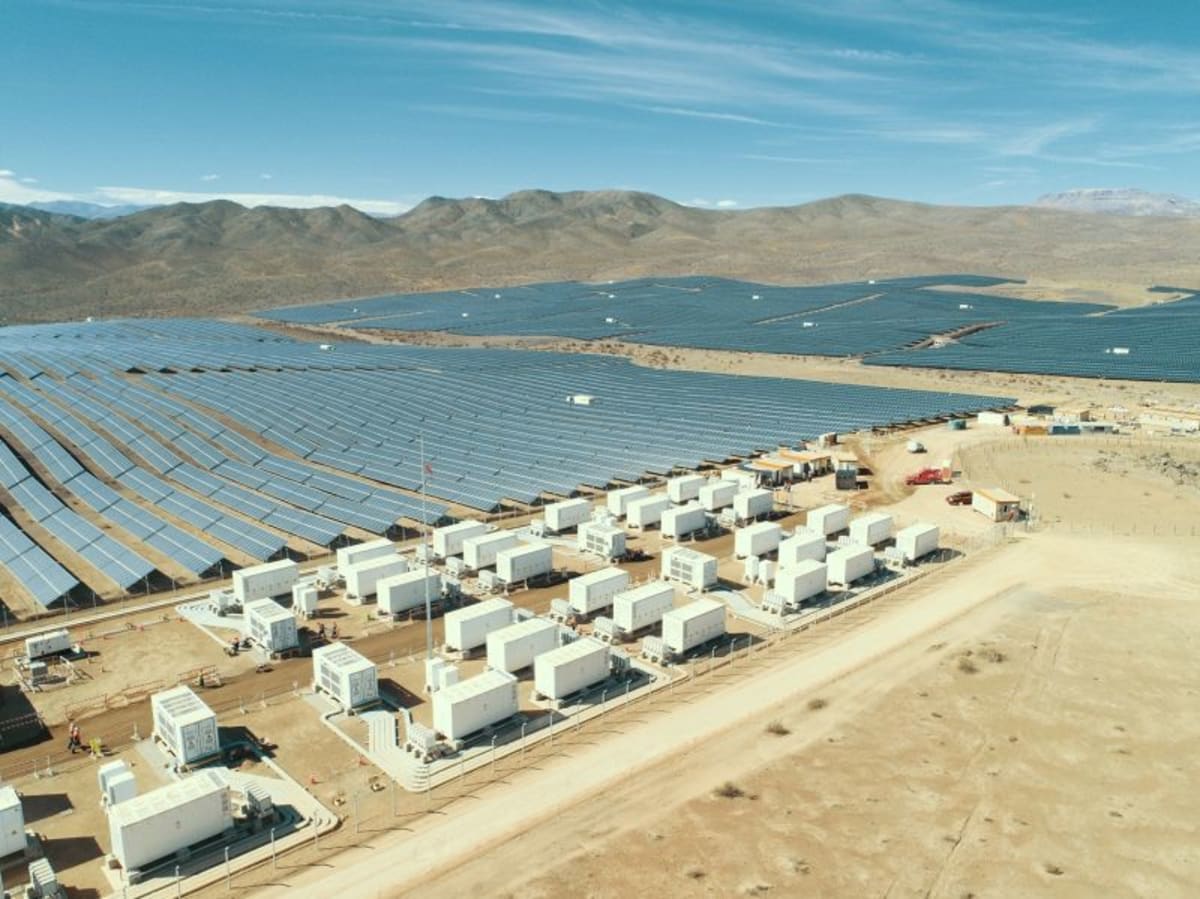
The timing builds on momentum from February, when Bolivia created a new category for medium-scale solar projects between 1 MW and 6 MW. That decree simplified approval processes, removing bureaucratic hurdles that previously slowed renewable development.
Bolivia currently operates around 194 MW of solar capacity. With better investment conditions and regulatory clarity, that number could grow significantly in coming years.
The Ripple Effect
Opening energy markets to private investment while protecting public oversight creates a model other countries are watching closely. Bolivia's approach shows how nations can modernize aging grids without abandoning commitments to universal access and renewable priorities.
The competitive auctions could drive down electricity costs for families and businesses while accelerating the shift away from fossil fuels. Regional energy exchange means surplus clean power generated in Bolivia could eventually help decarbonize electricity grids across South America.
Local communities will have their voices heard through mandatory public consultations before the law passes. This inclusive approach helps ensure the energy transition benefits everyone, not just those in major cities.
The draft now begins its journey through technical reviews and political debate before reaching the legislative assembly for a final vote. If approved, Bolivia will join a growing number of nations proving that ambitious climate action and economic development can move forward together.
More Images


Based on reporting by PV Magazine
This story was written by BrightWire based on verified news reports.
Spread the positivity!
Share this good news with someone who needs it