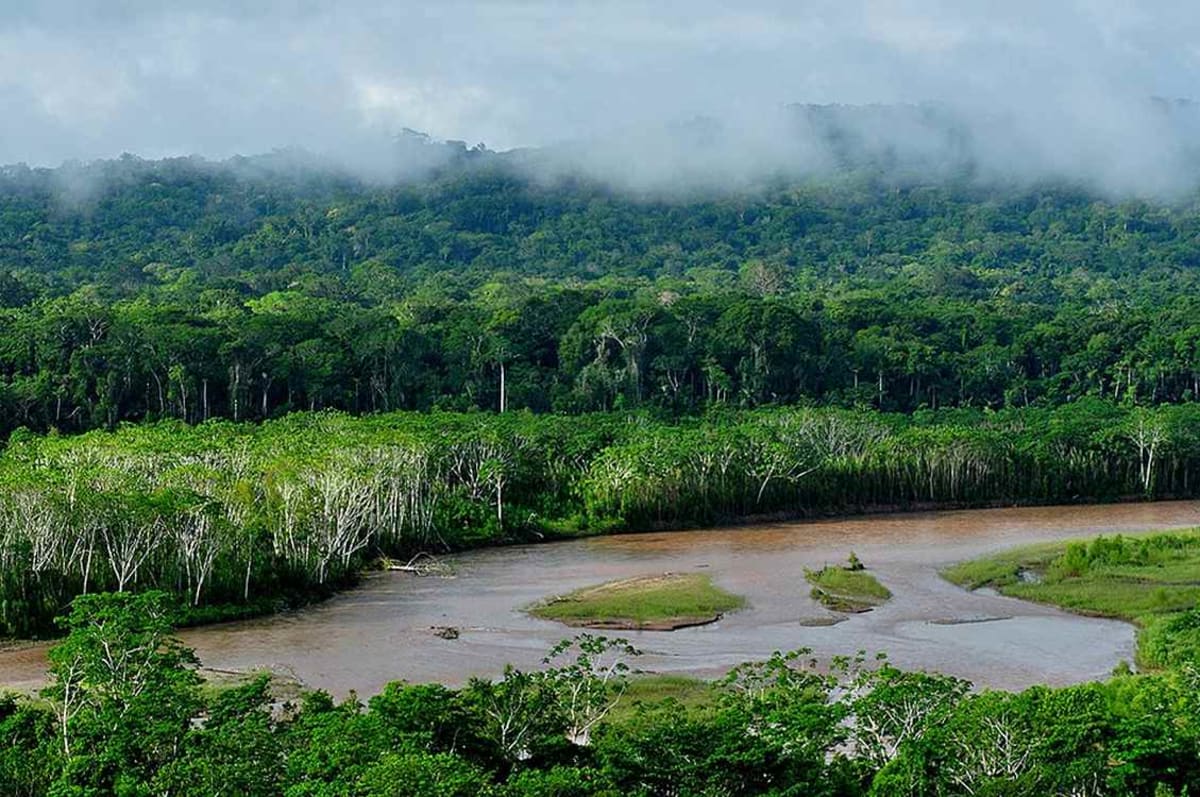
Bolivia Protects 660 Square Miles of Untouched Forest
Bolivia just safeguarded 660 square miles of pristine cloud forest and rainforest that's home to over 1,300 species. The new reserves connect existing parks to create a wildlife corridor larger than Texas's Big Bend National Park.
High in the Bolivian Andes, a massive stretch of forest where jaguars roam and rivers begin has just gained permanent protection.
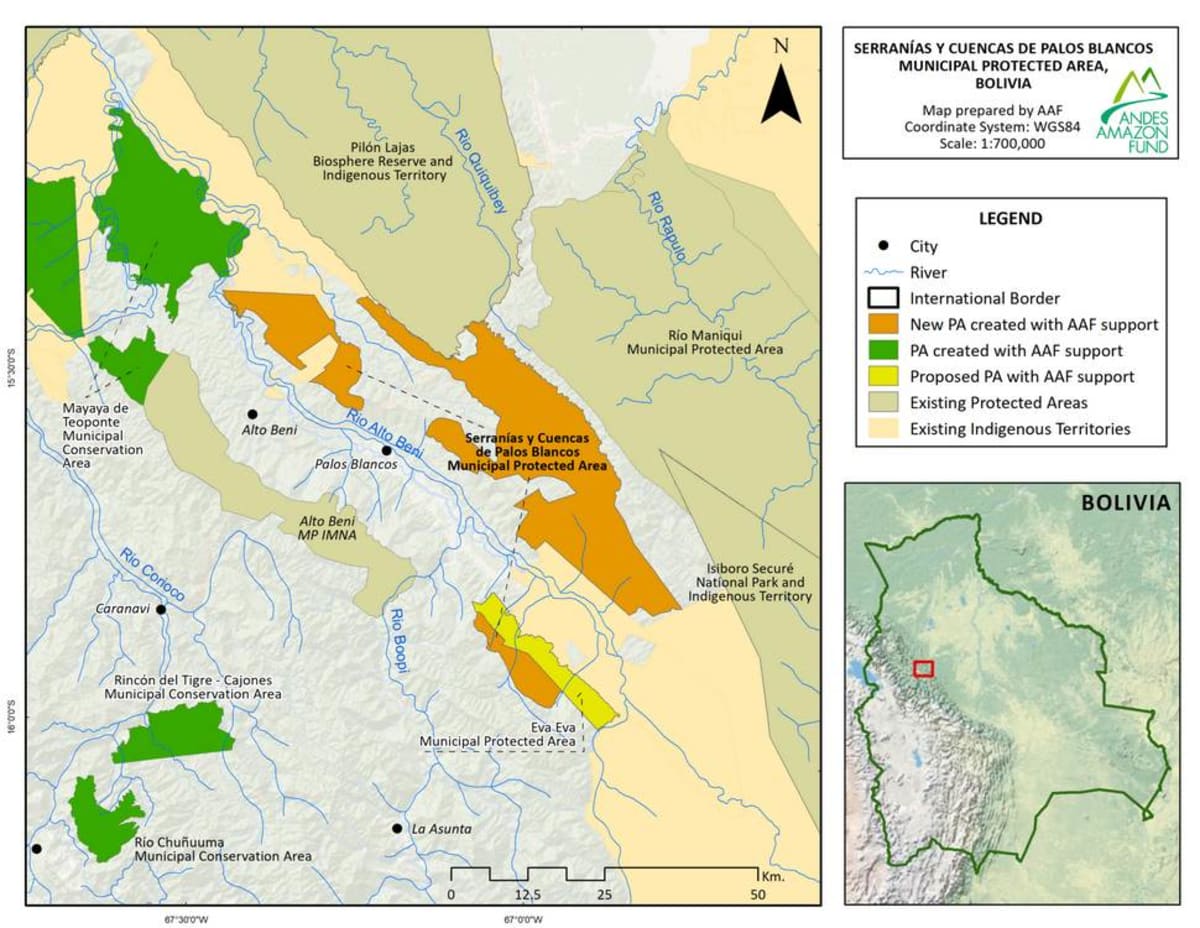
On December 30th, 2025, the local government of Palos Blancos created a 340-square-mile protected area near the capital city of La Paz. A neighboring province added another 320 square miles, bringing the total safeguarded land to 660 square miles of critical habitat.
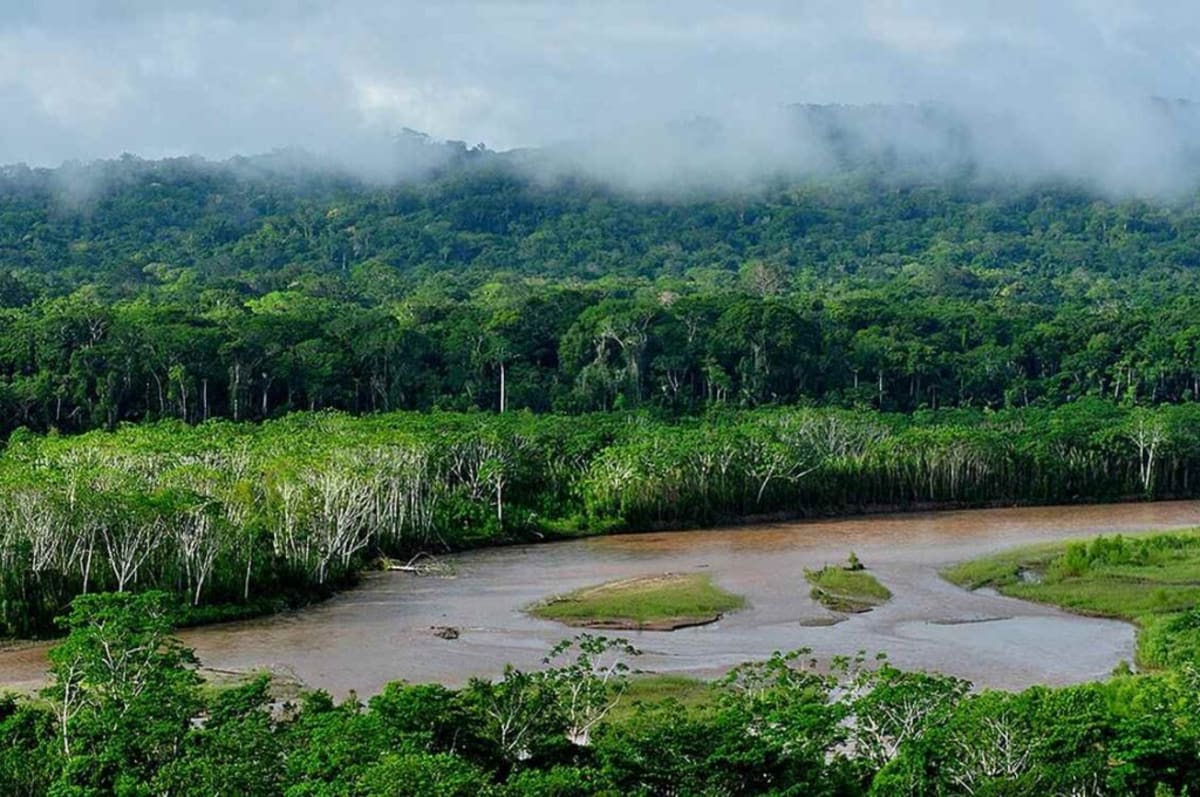
What makes this forest special isn't just its size. The region sits where high-altitude Andean cloud forests gradually transform into Amazon rainforest, creating unique conditions for wildlife found nowhere else on Earth.
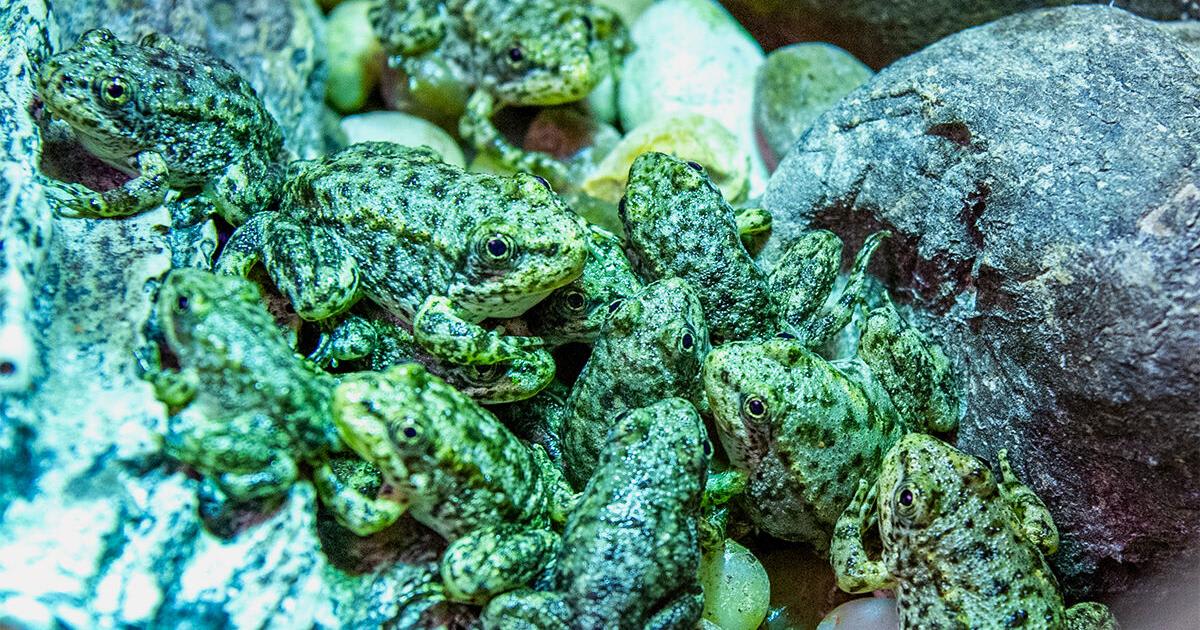
Over 1,300 native species call this area home, including 13 species that exist only in Bolivia. Black spider monkeys swing through canopies that have never been logged, while jaguars and Andean bears traverse slopes covered by forest that remains 86% untouched by human activity.
The Andes-Amazon Fund, Conservation International Bolivia, and Rainforest Trust worked together to fund and organize the project. Their collaboration with local government turned years of conservation planning into reality.
The new Serranías y Cuencas de Palos Blancos Municipal Protected Area doesn't stand alone. It connects directly to two indigenous reserves, Cotapata National Park, and Madidi National Park, forming what conservationists call the Gran Paitití de Mapiri Biodiversity Corridor.
This corridor approach matters because large animals need room to roam. Jaguars can travel up to 100 miles searching for mates and territory, while Andean bears need vast ranges to find food across different seasons.
The protection also secures something thousands of people depend on daily: clean water. The new reserves safeguard the headwaters of the Alto Beni River, ensuring communities downstream maintain access to fresh water for generations.
The Ripple Effect
When one community protects its forests, neighboring regions often follow. That's exactly what happened here, with a second province creating its own protected area after seeing Palos Blancos move forward.
Together, these connected reserves now exceed 1 million acres of protected land. That's larger than America's Big Bend National Park and represents one of the most significant conservation victories in South America this decade.
"By protecting this zone, Bolivia strengthens an entire conservation mosaic that extends from the cloud forests of La Paz to the lower Amazon," said Eduardo Forno, Vice President of Conservation International Bolivia.
This wildlife corridor now ensures that species can move freely through their natural habitats, maintaining genetic diversity and healthy populations for years to come.
More Images
Based on reporting by Good News Network
This story was written by BrightWire based on verified news reports.
Spread the positivity!
Share this good news with someone who needs it
%2Ffile%2Fattachments%2F2998%2F14147038_376896.jpg)