Bonaire Wins Historic Climate Case Against Netherlands
A tiny Caribbean island just defeated one of Europe's wealthiest nations in court, forcing action on climate change. Eight residents proved their government discriminated against them by failing to protect their sinking home.
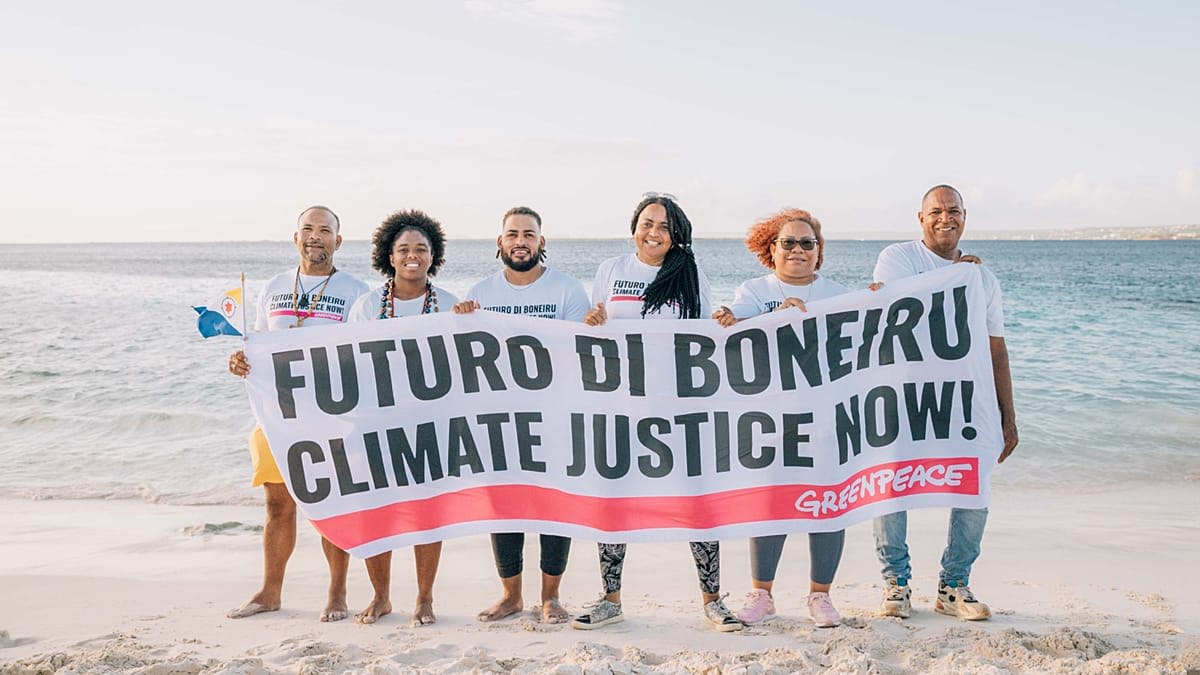
When Jackie Bernabela stood up in a Dutch courtroom this January, she wasn't just fighting for herself. She was fighting for 20,000 people watching their island slowly disappear beneath rising seas.
Bonaire, a small Caribbean island and Dutch territory, faces an uncertain future. Rising temperatures fuel stronger storms, extreme flooding damages homes, and scientists predict parts of the island will be underwater by 2050.
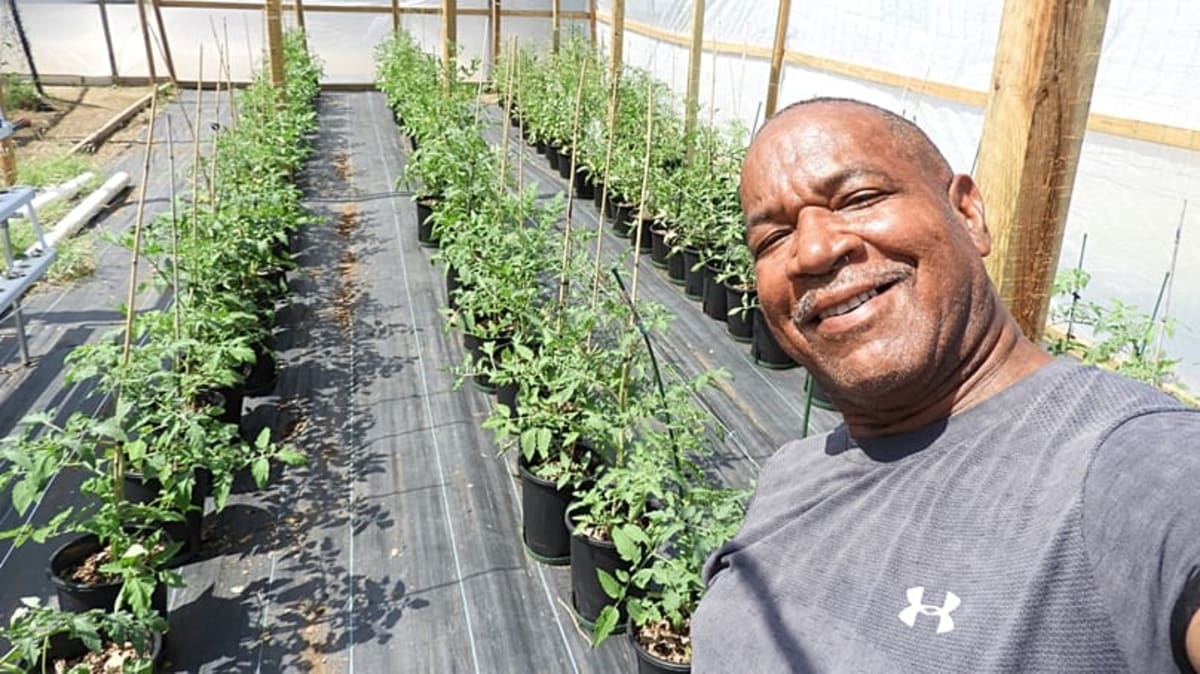
For farmer Onnie Emerenciana, climate change means watching his fields turn to dust. Drought has made farming nearly impossible without buying water by the truckload. When delivery trucks break down for weeks at a time, his entire investment dies in the scorching heat.
He adapted by building greenhouses and grow boxes to protect crops from hungry lizards and extreme weather. But water remains scarce, and the physical toll of working in blistering conditions has given him respiratory problems.
When Greenpeace approached residents about suing the Dutch government, many islanders were skeptical. "They said 'how can you win a law case against the Netherlands?'" Onnie recalls. But he joined Jackie and six other claimants anyway.
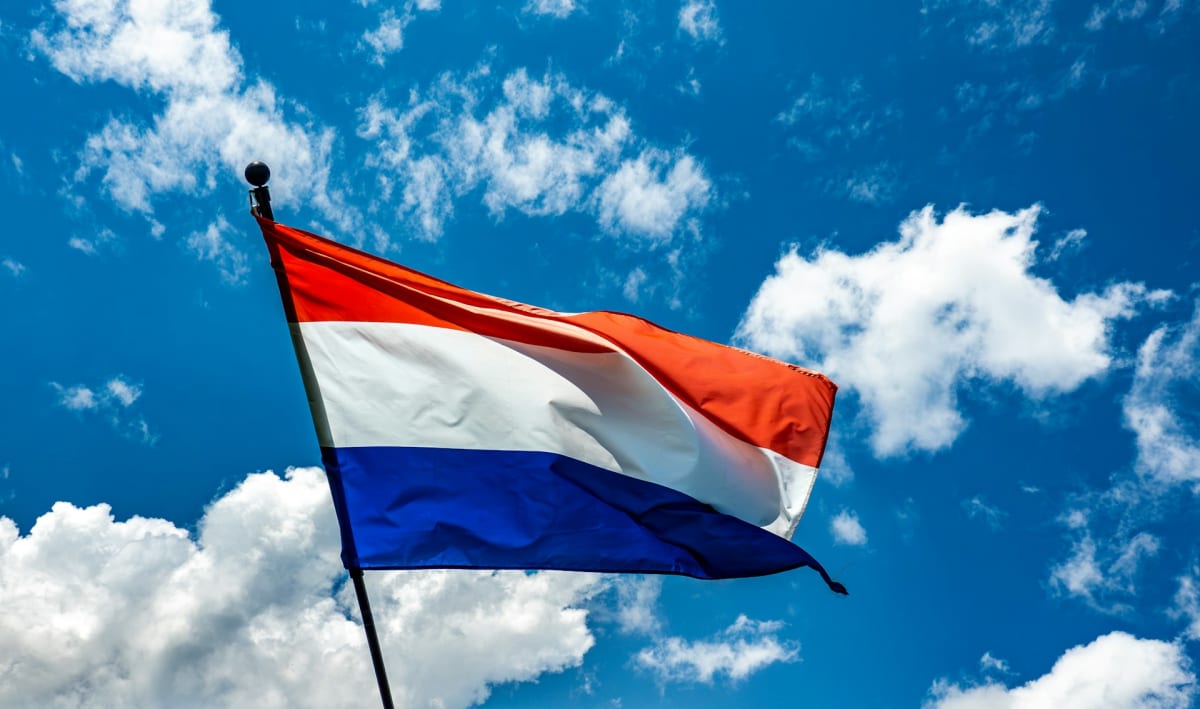
In January 2026, they won. The Hague District Court ruled that the Netherlands discriminated against Bonaire by failing to take "timely and appropriate measures" to protect residents from climate change.
The court ordered the government to set legally binding emissions targets within 18 months, aligned with keeping global temperatures from rising more than 2°C. It echoed the landmark 2019 Urgenda case, when Dutch courts forced the government to slash emissions after climate activists sued.
The Ripple Effect
This victory reaches far beyond Bonaire's shores. It proves that small communities can hold powerful governments accountable for climate inaction, setting a precedent for vulnerable regions worldwide.
The ruling also highlights environmental justice, showing courts recognize that climate impacts don't fall equally. Island communities and developing regions often suffer most despite contributing least to global emissions.
Jackie remains cautiously hopeful but knows the real work begins now. "The court ruling is historic," she says. "But whether things truly change depends on what happens next."
Meralney Bomba, a Greenpeace worker on Bonaire, admits watching coastlines that may soon vanish feels "mentally draining." Still, she refuses to give up on her island home.
While waiting for government action, Onnie focuses on local solutions: planting trees, improving waste separation, and identifying spots for dams to collect precious rainwater. He observes, adapts, and keeps neighbors aware of changes they can make together.
The people of Bonaire proved that persistence beats pessimism, and even the smallest voices can move mountains when they refuse to stay silent.
More Images
Based on reporting by Euronews
This story was written by BrightWire based on verified news reports.
Spread the positivity!
Share this good news with someone who needs it