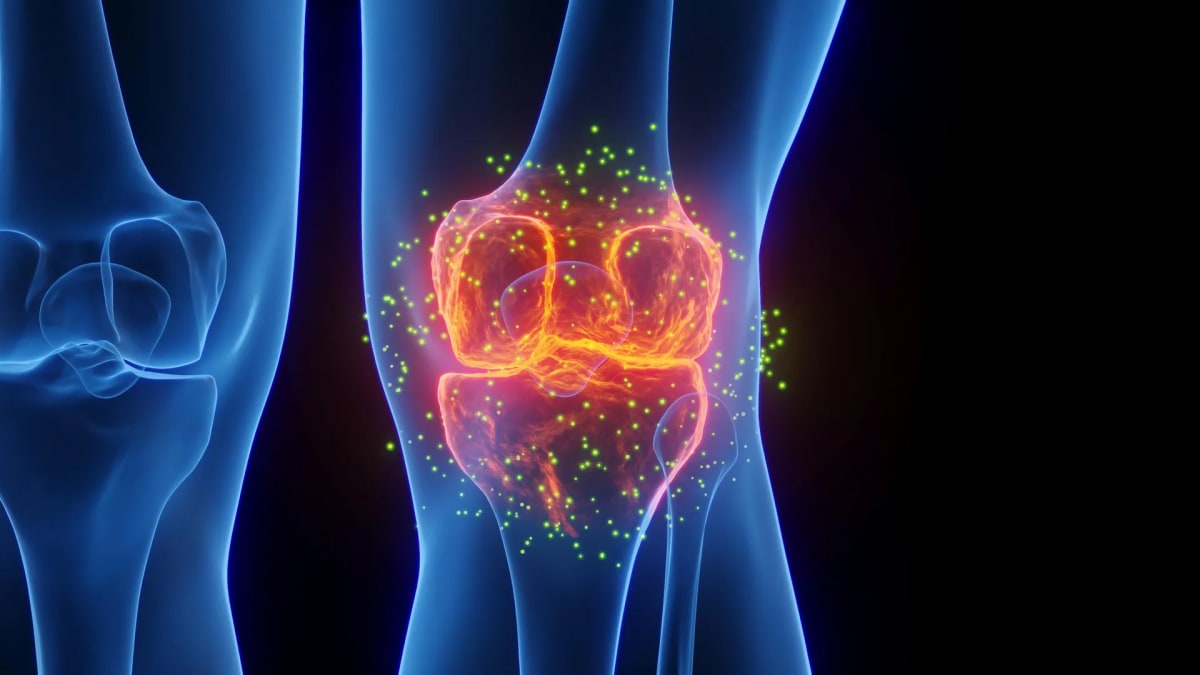
Bone Hormone Blocks Pain Nerves, Eases Chronic Back Pain
Scientists discovered that a common bone hormone can ease chronic back pain by stopping pain-sensing nerves from growing into damaged spine areas. The breakthrough could lead to treatments that target the root cause of pain, not just symptoms.
Millions of people worldwide struggle with chronic back pain that disrupts their work, sleep, and daily activities. Now scientists have found that a hormone already used to treat osteoporosis might offer relief by stopping pain at its source.
Researchers at Johns Hopkins University discovered that parathyroid hormone (PTH) can push pain-sensing nerves away from damaged areas in the spine. Instead of just masking discomfort, this approach addresses what makes chronic back pain persist in the first place.
The team tested PTH on mice with three types of spinal degeneration: natural aging, mechanical instability, and genetic susceptibility. After one to two months of daily injections, the treated mice showed remarkable improvements.
Their vertebral endplates, the thin layers between spinal discs and vertebrae, became denser and more stable. The mice also showed less sensitivity to pain, tolerated pressure better, and moved around more than untreated animals.
The real breakthrough came when researchers examined what was happening inside the spine tissue. In damaged spines, pain-sensing nerves grow into areas where they normally don't belong, creating chronic discomfort. PTH dramatically reduced these abnormal nerve fibers.
The hormone works by activating bone-building cells called osteoblasts to produce a protein named Slit3. This protein acts like a natural barrier, guiding pain nerves away from sensitive spine regions. When researchers removed Slit3 from mice, PTH lost its pain-relieving effects.
The Bright Side
This discovery helps explain why some osteoporosis patients taking PTH treatments report unexpected back pain relief. The hormone was already approved and in use, which could speed up the path to clinical trials for back pain specifically.
For the 80% of people who experience low back pain at some point in their lives, this research offers genuine hope. Most chronic back pain cases have no clear structural cause, leaving doctors with few options beyond symptom management.
Dr. Janet Crane, who led the study published in Bone Research, notes that human trials are the next crucial step. Her team believes PTH could become a disease-modifying treatment that not only relieves pain but actually improves spine health over time.
The research also opens doors for developing new therapies that harness the Slit3 protein pathway. Scientists could potentially create more targeted treatments with fewer side effects than current options.
For millions living with persistent back pain that limits their quality of life, this discovery represents a path toward treatments that address the problem at its biological roots rather than just covering up the hurt.
Based on reporting by Science Daily
This story was written by BrightWire based on verified news reports.
Spread the positivity!
Share this good news with someone who needs it