Borneo Volunteers Battle 'Carbon Bomb' Fires for a Month
Thousands of volunteers in Indonesian Borneo are fighting massive peat fires that have burned 200,000 hectares since July, risking their health to prevent ancient carbon stores from releasing catastrophic emissions. Despite toxic conditions, indigenous Dayak and Banjar firefighters are working day and night to protect their communities and the planet.
Thousands of volunteer firefighters are putting their lives on the line to battle one of Indonesia's worst environmental disasters in decades, and their courage is making a real difference.
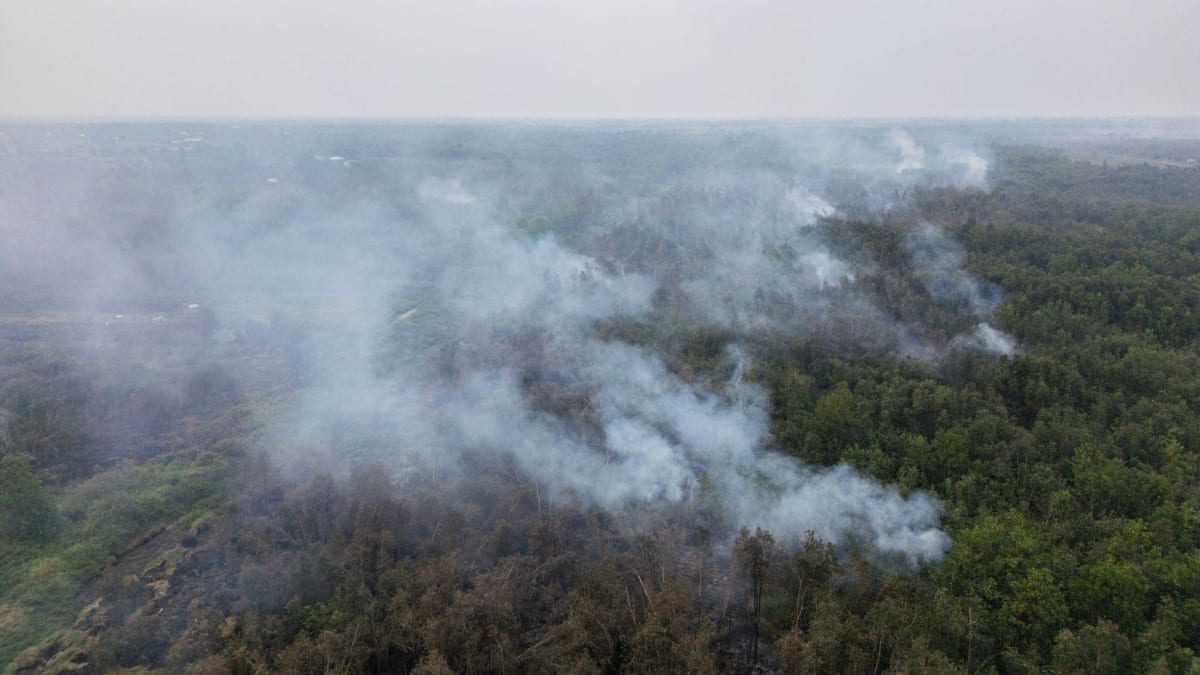
Since July, massive wildfires have scorched 200,000 hectares across Indonesian Borneo. But these aren't ordinary fires. They're burning through ancient peatlands that store thousands of years of carbon underground, turning a natural treasure into what scientists call a "carbon bomb."
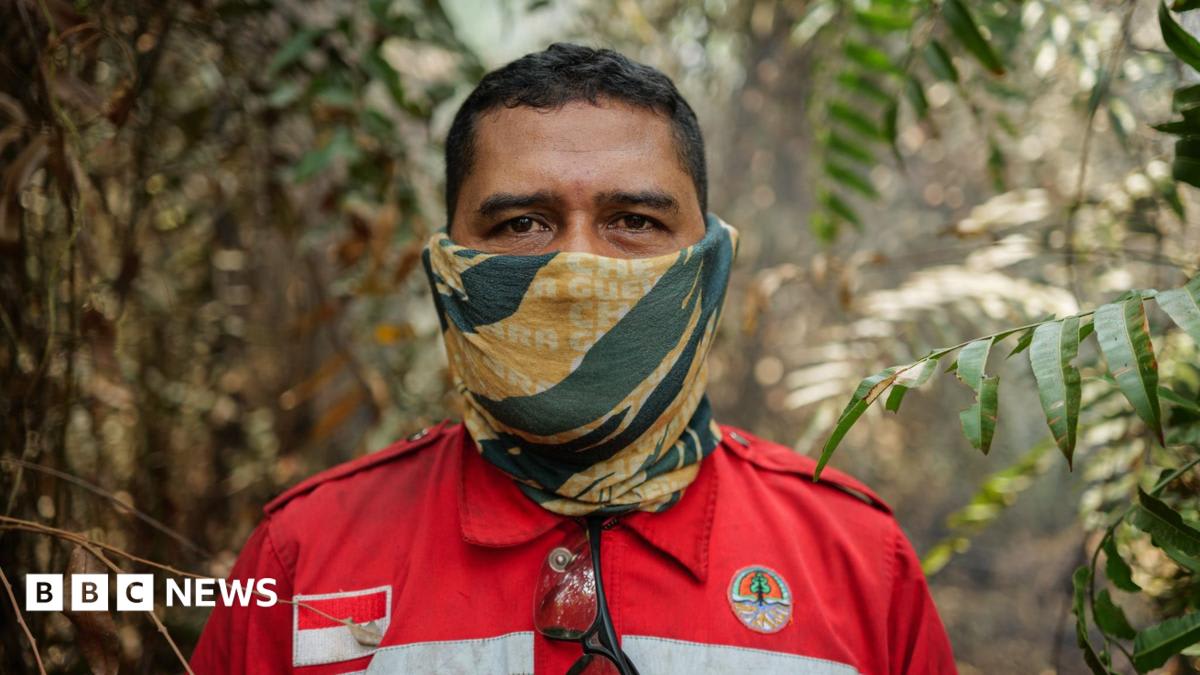
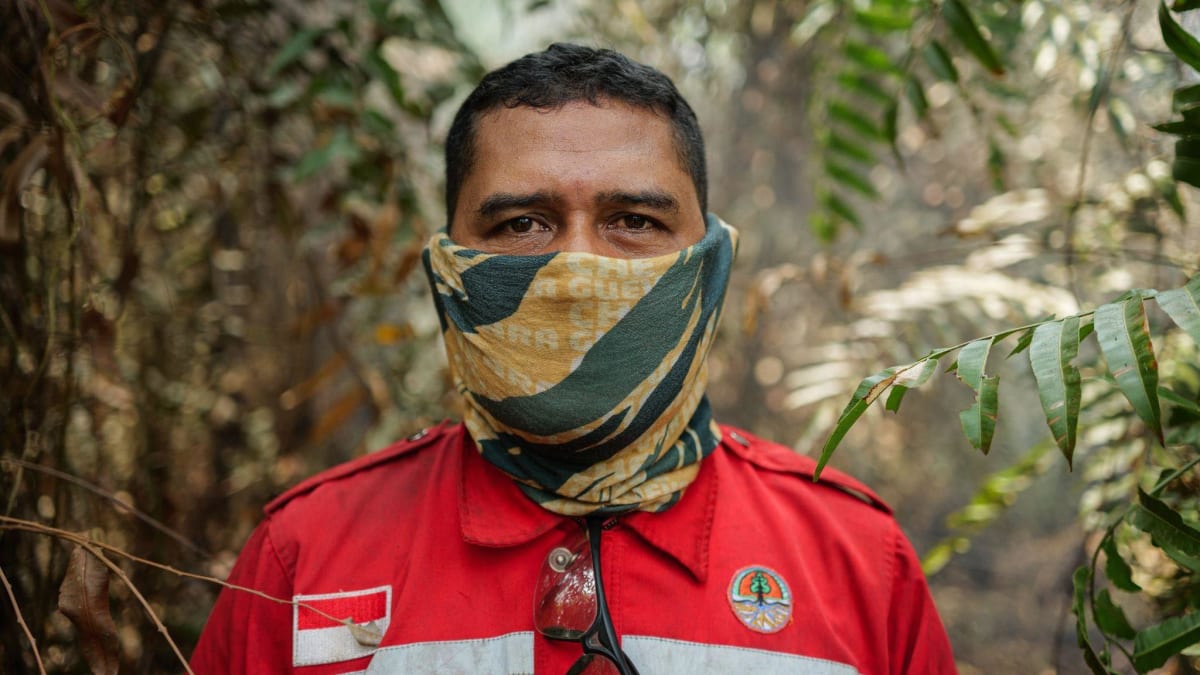
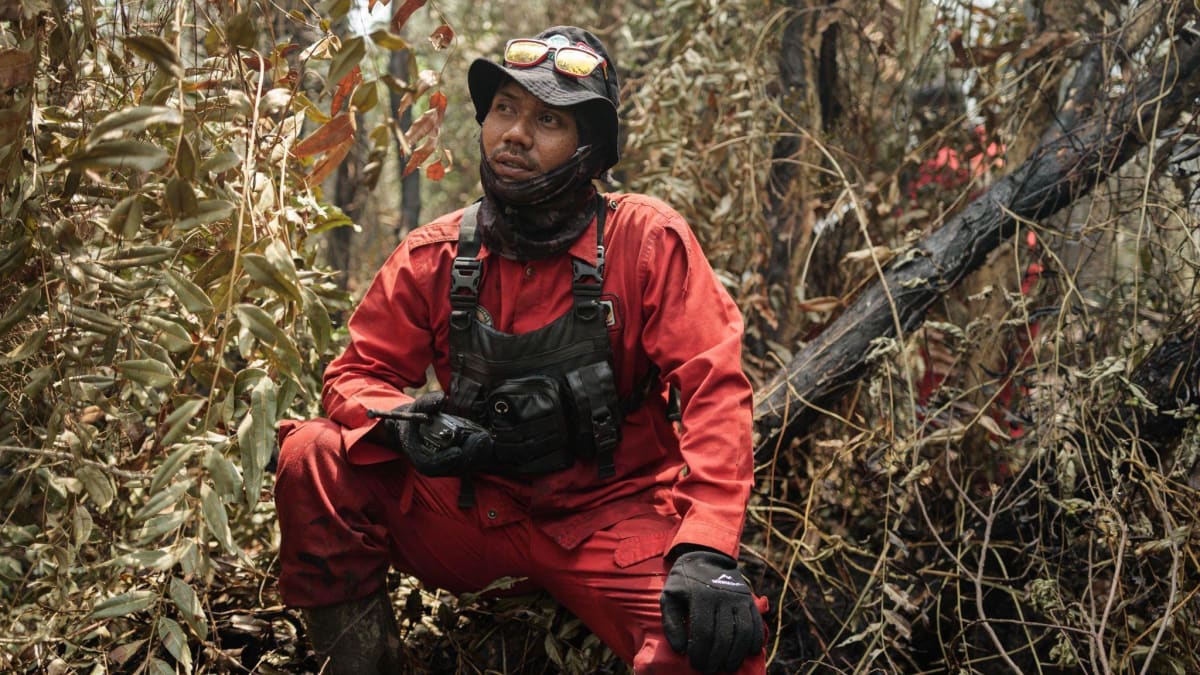
Volunteers like 35-year-old Dwi Sujatmoko have spent over a month fighting flames and toxic smoke that burns the eyes and throat like tear gas. Many are indigenous Dayak and Banjar people defending their homeland with hand tools, portable pumps, and sheer determination.
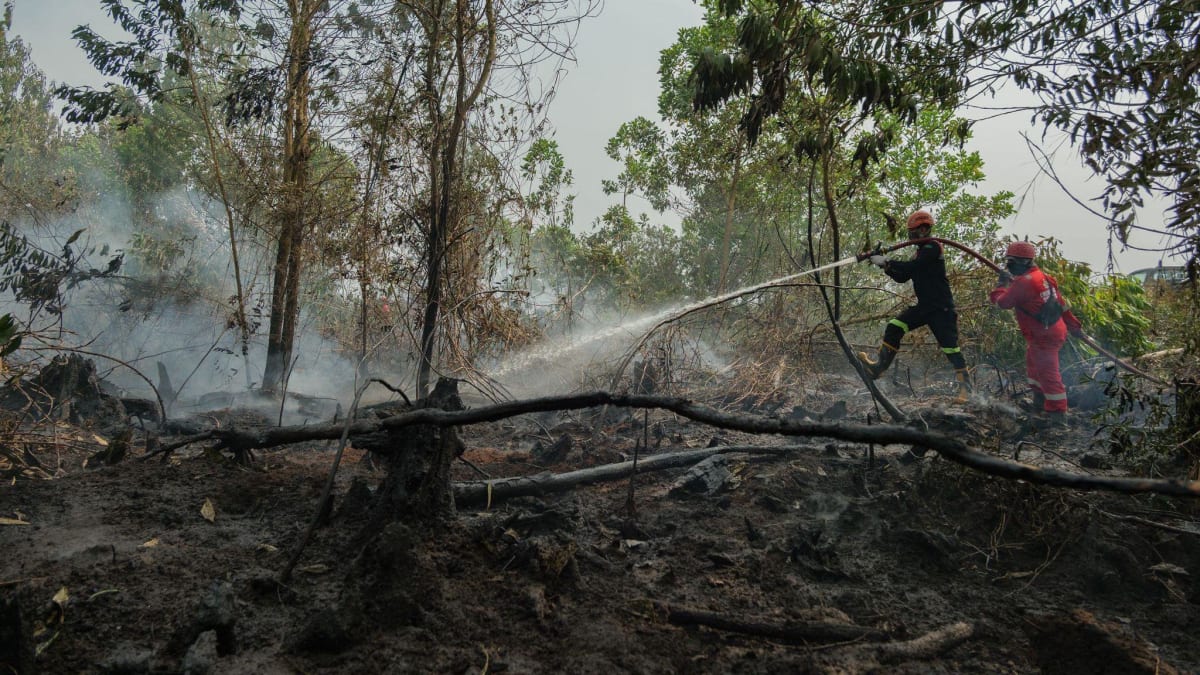
The challenge is extraordinary. Peat fires burn underground, smoldering invisibly while releasing poisonous fumes. Fighting them means saturating the earth so thoroughly it becomes "like porridge." Volunteers have been digging ponds, creating makeshift irrigation systems, and sleeping near the frontlines to battle blazes through the night.
Dr. Nisa Novita, a peatland researcher, explains why this matters beyond Borneo. "Peatlands are incredibly effective carbon stores because their waterlogged conditions slow decomposition, allowing carbon to accumulate underground for thousands of years," she says. A single hectare of deep peat can hold carbon equivalent to the annual emissions of 4,800 cars.
The work is taking a toll. Volunteers are breathing millennia-old carbon particles daily. Indonesia's Health Ministry recorded over 50,000 respiratory infections linked to the fires between July and August, with more than 12,000 cases in children under five.
Yet these heroes keep showing up. Fahrin Ramadhianto, fighting fires in hard-hit Banjarbaru, has watched the smoke affect his body but continues anyway. "We're doing everything we can to help deal with this haze disaster because it's our duty," says Sujatmoko.
The Ripple Effect
The volunteers' efforts extend far beyond their communities. By preventing peatland carbon from releasing into the atmosphere, they're protecting the climate for everyone. Their work has already contained fires that threatened to spread uncontrollably, limiting air pollution that had reached neighboring Singapore, Malaysia, and the Philippines.
Professor Susan Page from the University of Leicester, who has studied Asian peatlands for 30 years, notes that everyone living within the pollution cloud benefits when these fires are controlled. Fewer emissions mean healthier air, fewer hospital admissions, and millions of tonnes of greenhouse gases kept out of the atmosphere.
These everyday heroes are proving that grassroots action can tackle even planetary-scale problems, one saturated patch of peat at a time.
More Images
Based on reporting by BBC Science
This story was written by BrightWire based on verified news reports.
Spread the positivity!
Share this good news with someone who needs it