Both F-15E Airmen Rescued After Ejecting Over Iran
Two U.S. Air Force crew members survived a violent ejection over Iran and were successfully rescued in hostile territory. Their escape showcases the incredible training and split-second systems that turned a life-threatening moment into a survival story.
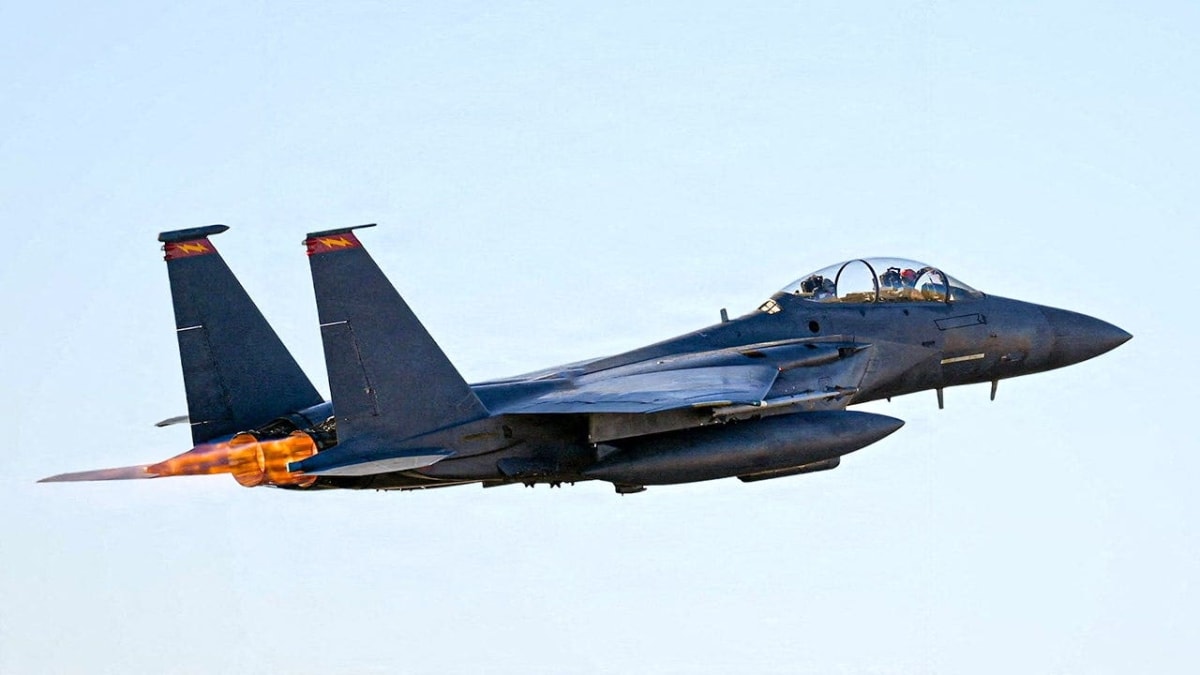
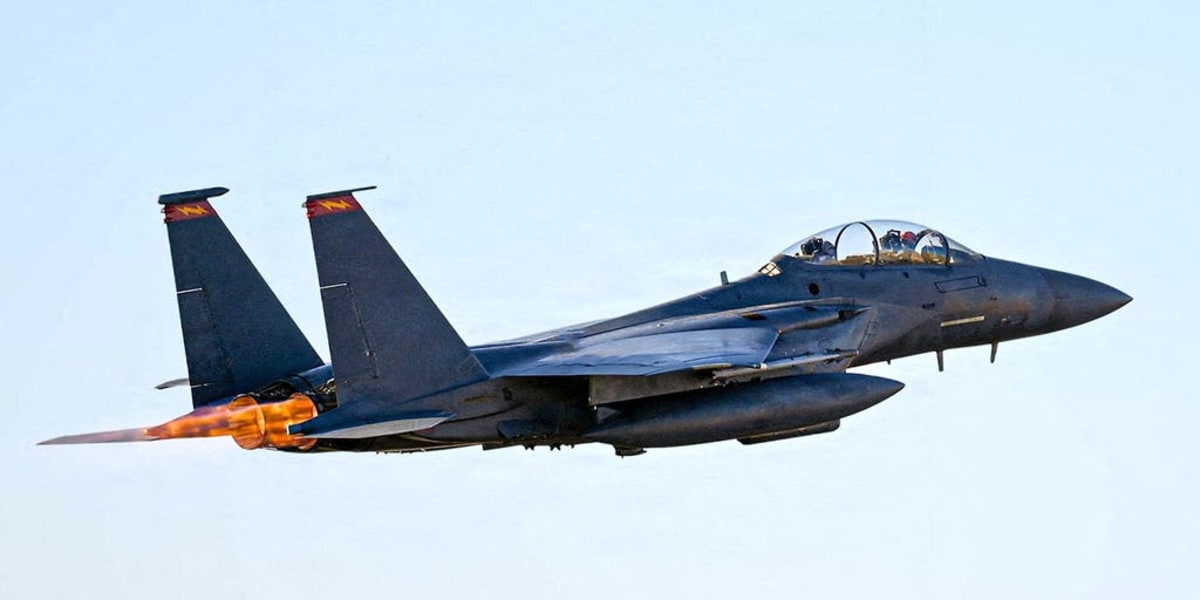
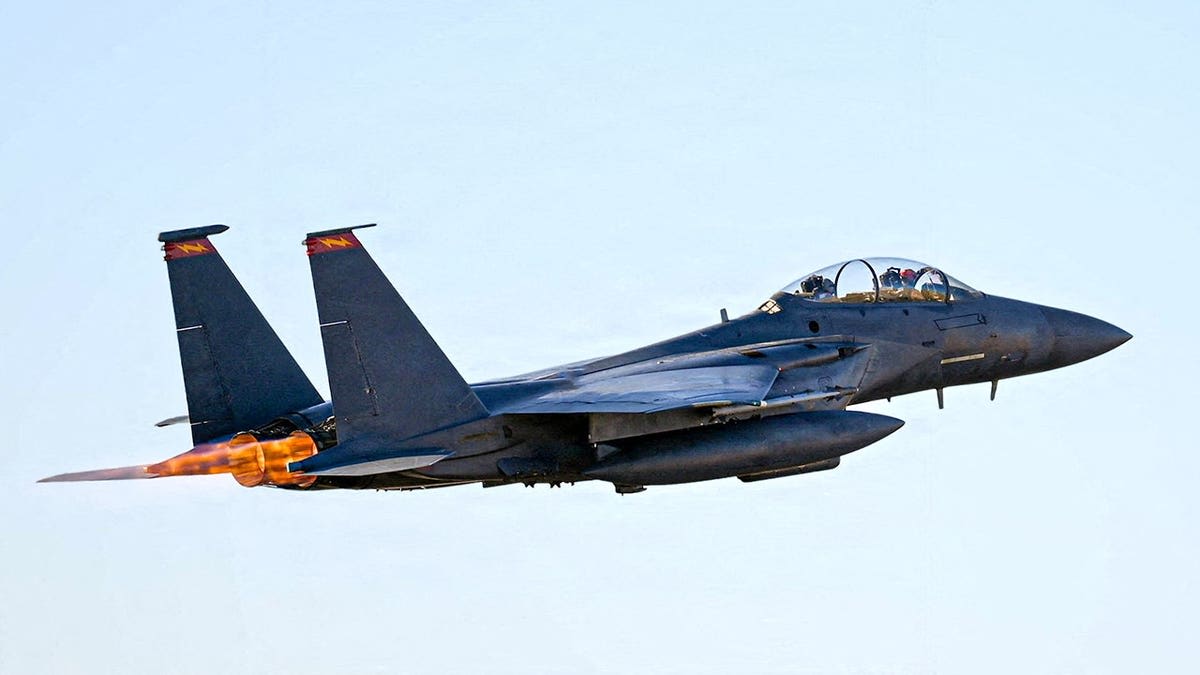
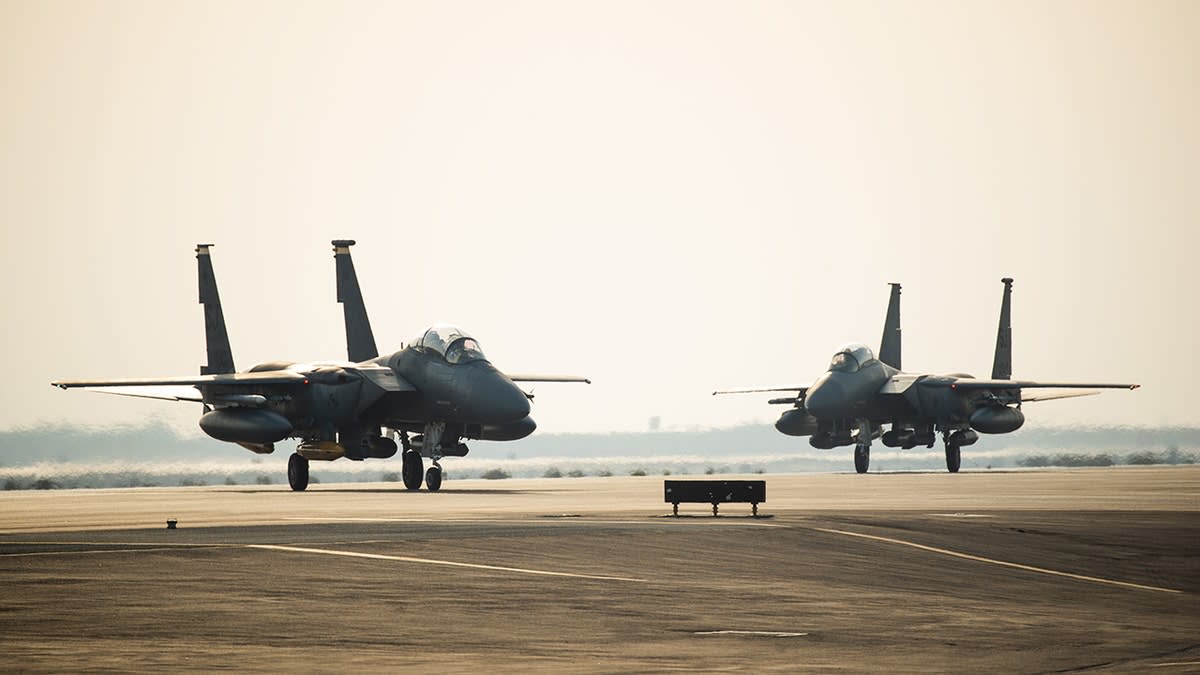
When their F-15E Strike Eagle was hit by enemy fire over Iran last Friday, two U.S. airmen had only seconds to pull the ejection handle and trust their training. Both made it out alive, and both made it home.
The moment a pilot ejects, their body experiences forces up to 20 times the pull of gravity. For a 200-pound airman, that means their body suddenly feels like it weighs 4,000 pounds as the seat rockets them out of the aircraft.
"You're no longer a decision-maker. You're a participant, and you're on the ride," says Pete "Gunz" Gersten, a former F-16 pilot who flew special operations missions.
The canopy disappears in a fraction of a second. The seat fires upward through intense acceleration. Within moments, the aircraft falls away while the crew floats in open air, waiting for parachutes to deploy.
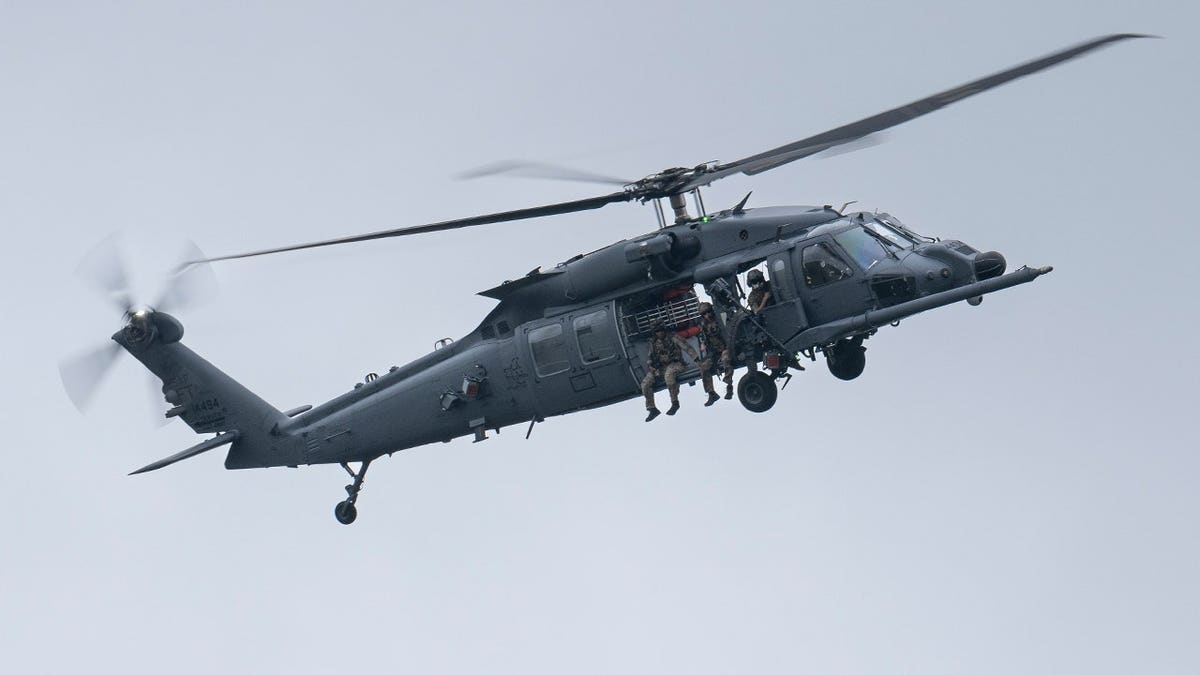
Then comes the next challenge: landing safely in hostile territory and surviving until rescue arrives. U.S. forces raced to recover both airmen before Iranian forces could reach them, and the mission succeeded.
What makes these rescues possible is training that starts long before pilots ever take their first flight. They learn the ejection sequence in classrooms, practice it in simulators, and memorize every step because there's no checklist to reference while hanging from a parachute.
Pilots never actually practice a real ejection. Instead, they rely on muscle memory for something they hope never happens, repeating procedures until their bodies know what to do when their minds are overwhelmed by the violence of escape.
In two-seat aircraft like the F-15E, either crew member can trigger ejection for both. The system automatically fires both seats in rapid succession, separated by fractions of a second to prevent midair collision.
Trainees practice in harness systems that simulate parachute descent, often using virtual reality to recreate floating above ground. They rehearse clearing their visor, checking their canopy, preparing their gear, and steering toward safe landing zones.
"You have to be prepared, you have to be trained, otherwise you can hurt yourself," Gersten explains. Landing injuries are common, especially when pilots can't control where they touch down.
Why This Inspires
The successful recovery of both the pilot and weapons systems officer proves that years of preparation can compress into seconds of life-saving action. Every classroom lesson, every simulator session, every memorized procedure existed for this exact moment when two airmen needed everything to work perfectly.
Their training turned a catastrophic equipment failure deep in enemy territory into a story of survival and successful rescue. The system worked exactly as designed, and two families got their loved ones back.
These airmen trusted their training when their aircraft failed, and that trust brought them home safe.
More Images
Based on reporting by Fox News Politics
This story was written by BrightWire based on verified news reports.
Spread the positivity!
Share this good news with someone who needs it