Bottled Water Has 95% Fewer Chemicals Than Tap Water
A new University of South Carolina study found bottled water contains dramatically fewer disinfection byproducts than tap water. The research offers reassuring news for the billions of people worldwide who choose bottled water every day.
Scientists just delivered good news for anyone who reaches for bottled water: it's significantly cleaner than many people realize.
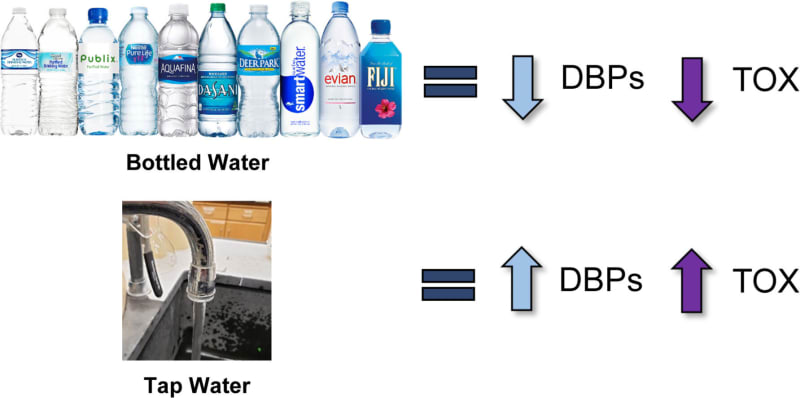
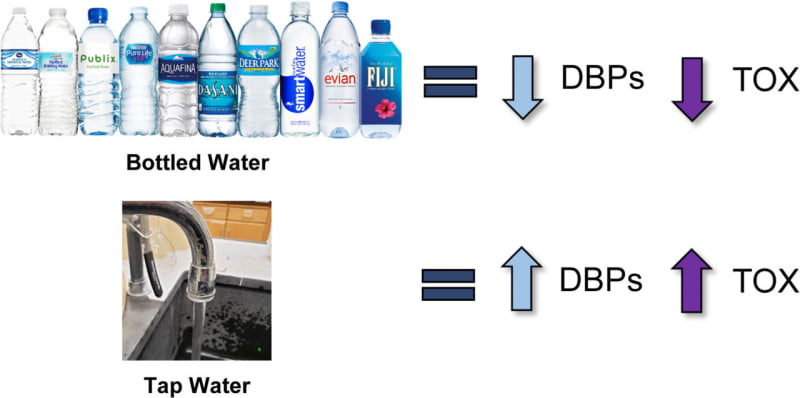
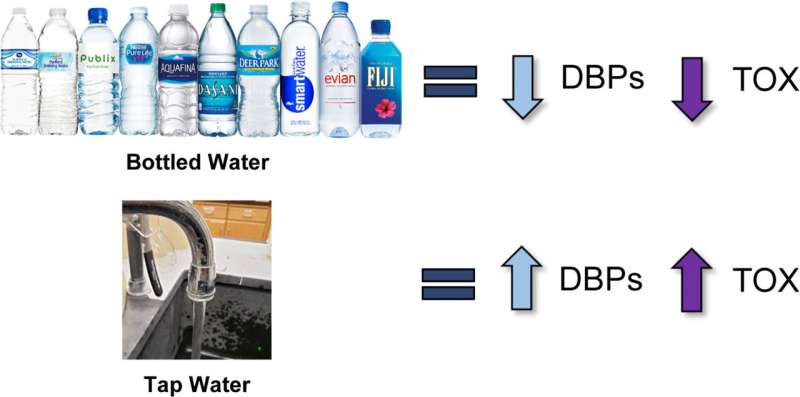
Researchers at the University of South Carolina tested 10 popular bottled water brands and found they contain an average of just 2.6 micrograms per liter of disinfection byproducts. That's 95% less than the 47.3 micrograms found in their tap water sample.
The study, published in Water Research, went far beyond what previous research had measured. Instead of checking just a handful of regulated compounds, scientists tested for 64 different disinfection byproducts, including many that aren't currently regulated but may pose health concerns.
Disinfection byproducts form when chlorine and other chemicals used to kill germs in water react with natural organic matter. While water treatment keeps us safe from dangerous bacteria, these byproducts have raised questions about long-term health effects.
The cleanest bottled waters came from natural springs and groundwater sources, averaging just 0.6 micrograms per liter. Even purified municipal water that gets bottled showed dramatically lower levels than straight tap water.
Designer water brands performed best overall, followed by grocery store brands and then name brands. But all categories showed substantial improvements over tap water in terms of chemical byproducts.
The Bright Side
This research arrives at a perfect time. Global bottled water consumption is soaring, with the market expected to reach $509 billion by 2030. Critics often dismiss bottled water as wasteful when tap water is free and regulated.
But this study validates what many consumers already suspected: there are real differences between bottled and tap water beyond convenience and taste. The data shows bottled water consistently delivers fewer chemical compounds that some studies have linked to potential health concerns.
The researchers also discovered something encouraging about quality control. When they tested different lot numbers of the same brands six months apart, most showed consistent purity levels, suggesting reliable manufacturing processes.
Spring and groundwater sources naturally contain fewer byproducts because they haven't been through municipal disinfection processes. Even purified bottled water, which often starts as tap water, goes through additional treatment that removes most of these compounds.
The findings don't mean tap water is unsafe. It meets all EPA regulations and protects millions from waterborne diseases. But for people concerned about minimizing exposure to disinfection byproducts, bottled water offers a measurably cleaner alternative.
This breakthrough study gives consumers actual data to inform their choices instead of relying on marketing claims or assumptions. Whether you choose bottled water for taste, convenience, or health concerns, you can now do so knowing the science supports measurable differences in purity.
More Images
Based on reporting by Phys.org - Earth
This story was written by BrightWire based on verified news reports.
Spread the positivity!
Share this good news with someone who needs it