Brain Atlas From 54,000 Scans Could Detect Disease Early
Scientists created the largest brain reference map ever using scans from 54,000 people worldwide. The tool works like a growth chart for your brain, helping doctors spot early signs of Alzheimer's, schizophrenia risk, and other conditions.
Scientists at USC just created something extraordinary: a brain atlas so detailed it can spot disease before symptoms appear.
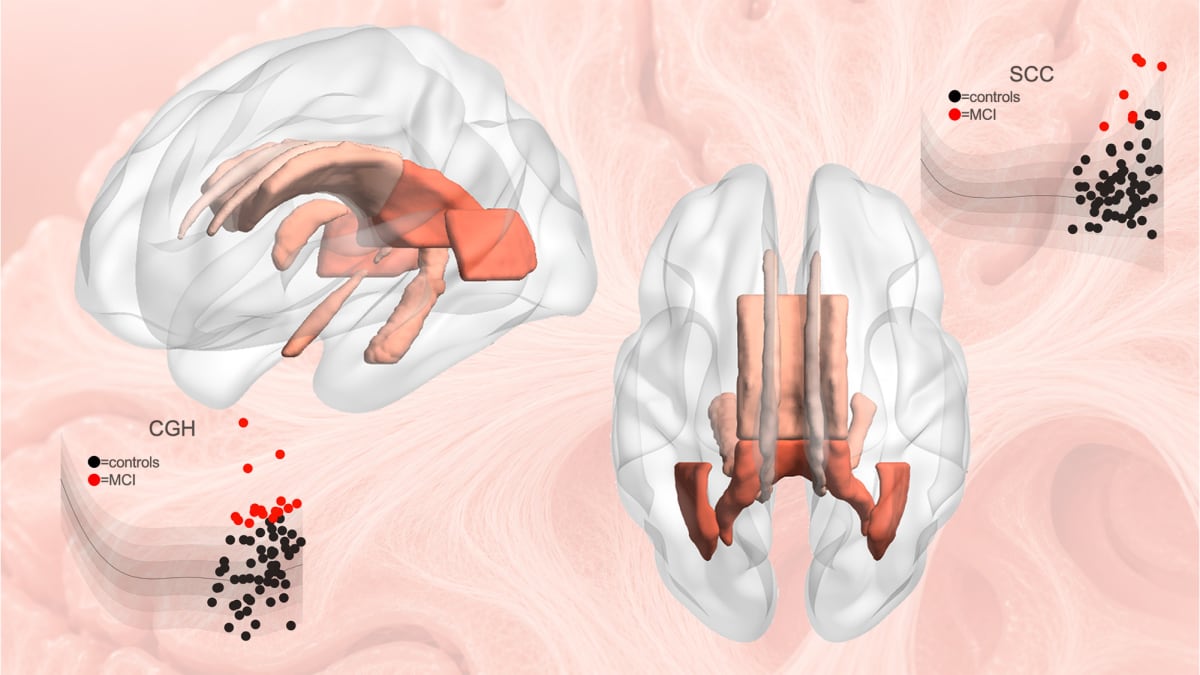
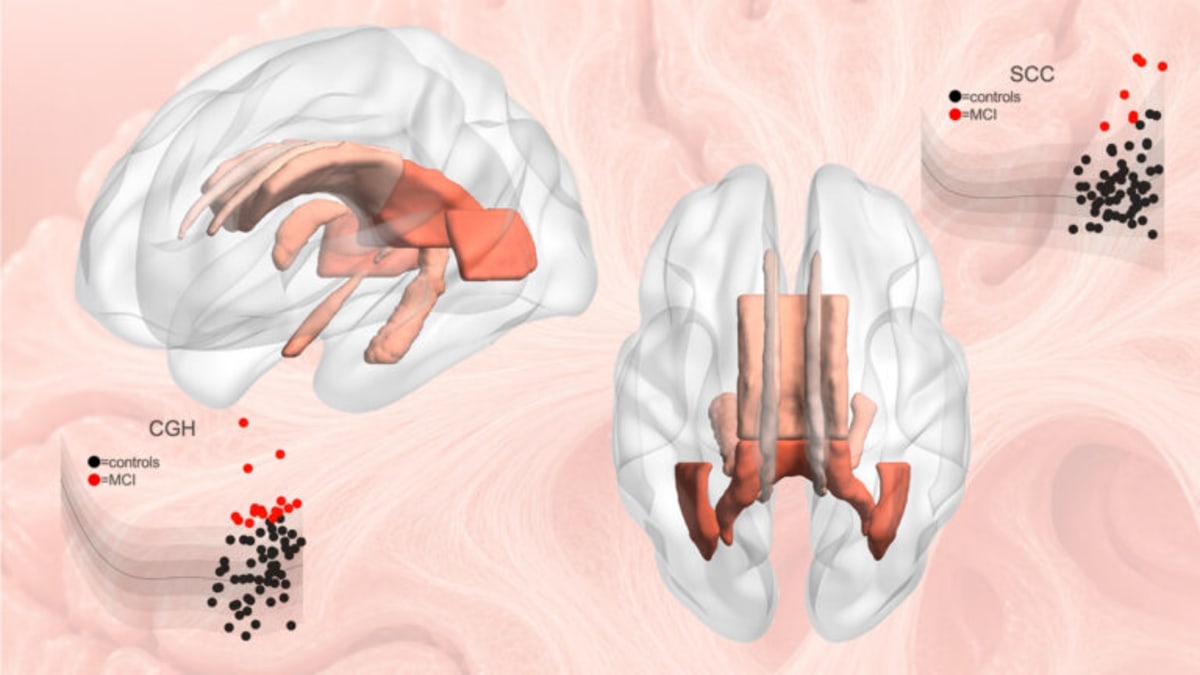
Researchers at the USC Mark and Mary Stevens Neuroimaging and Informatics Institute spent seven years building reference charts from brain scans of 54,583 people across 19 countries. The result is a powerful new tool that shows how healthy brains change from childhood through old age.
Think of it like the height and weight charts your pediatrician uses. Instead of tracking inches and pounds, these charts map the brain's white matter, the vast network of neural wiring that connects different brain regions and allows them to communicate.
"That gives us a powerful new way to identify when an individual's brain wiring falls outside the expected range," said Dr. Julio E. Villalón-Reina, the study's lead author. Published in Nature Communications, the research reveals that different brain pathways mature on distinct timelines, with some peaking in early adulthood and others in midlife.
The team also confirmed a fascinating theory about brain aging called "last in, first out." Brain pathways that develop last during childhood tend to decline faster in old age, offering new insight into why certain brain regions become more vulnerable over time.
When researchers tested their new tool on patients with mild cognitive impairment, dementia, and a genetic condition that increases schizophrenia risk, they found something important. The atlas detected subtle changes in brain circuitry that deviated from age-expected norms, even when those changes weren't visible on standard brain scans.
The Ripple Effect
The implications reach far beyond diagnosis. Researchers can now track whether treatments actually work by seeing if a person's brain patterns move closer to healthy ranges over time. The team plans to use these charts to study more than 30 different brain diseases and conditions.
Because the researchers made their atlas publicly available, scientists worldwide can now use the same reference standard. This means breakthrough discoveries in one lab can immediately benefit research teams across the globe.
"We can see how your brain differs from what we would expect for a person of your age and sex, giving us a tool to use in clinical trials of treatments for dozens of brain diseases," said Dr. Paul Thompson, the study's senior author.
The atlas demonstrates the extraordinary power of international collaboration. By pooling data from thousands of people, scientists created something no single research team could build alone: a truly global picture of how healthy brains develop and age.
For the millions living with or at risk for brain diseases, this massive undertaking offers something precious: hope that earlier detection will lead to earlier treatment and better outcomes.
More Images


Based on reporting by Google News - Scientists Discover
This story was written by BrightWire based on verified news reports.
Spread the positivity!
Share this good news with someone who needs it