Brain Cancer Patient Defies 10% Survival Odds With New Tech
Becca Valle was given months to live after a glioblastoma diagnosis, but a breakthrough ultrasound treatment helped her become part of a rare 10% who survive past five years. The experimental therapy could transform how doctors treat deadly brain cancers.
When Becca Valle started waking up with splitting headaches in September 2021, she never imagined doctors would soon be removing part of her skull to save her life.
The 37-year-old had just run a marathon and started a new job. Her doctor suspected sinus problems when the headaches persisted. Three weeks later, Valle couldn't sit up or stop vomiting. A hospital scan revealed blood in her brain.
Two emergency surgeries removed a glioblastoma, one of the deadliest brain cancers. Only 10% of patients survive more than five years after diagnosis. The tumor was gone, but Valle faced another enemy: her own protective biology.
The blood-brain barrier acts like a security system, blocking most substances from entering the brain. That includes the chemotherapy drugs that could save her life. Cancer cells hiding in her brain tissue had an invisible shield protecting them.
Dr. Graeme Woodworth at the University of Maryland Medical Center offered Valle a spot in a clinical trial testing a radical idea. Focused ultrasound waves could temporarily open the blood-brain barrier, letting chemotherapy flood the tumor site. The treatment would last just hours before the barrier closed again.
Valle didn't hesitate. "It was a no-brainer. This could save my life," she said.
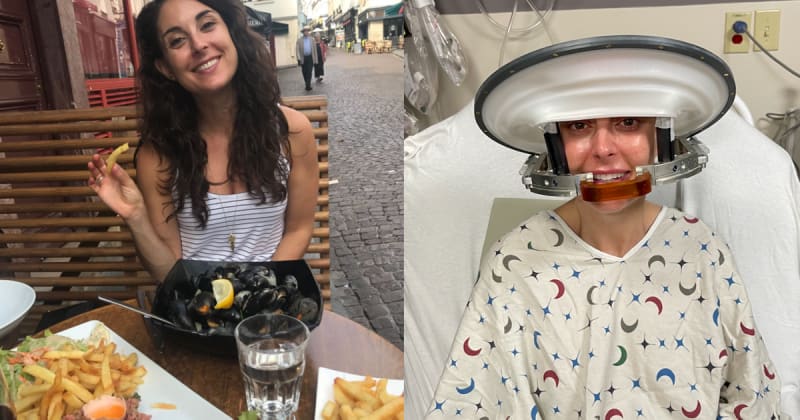
The treatment looked unusual. Valle wore a large device around her head while sound waves activated tiny bubbles in her bloodstream. The vibrating bubbles gently pushed apart brain blood vessels, creating temporary openings. Chemotherapy molecules slipped through the gaps.
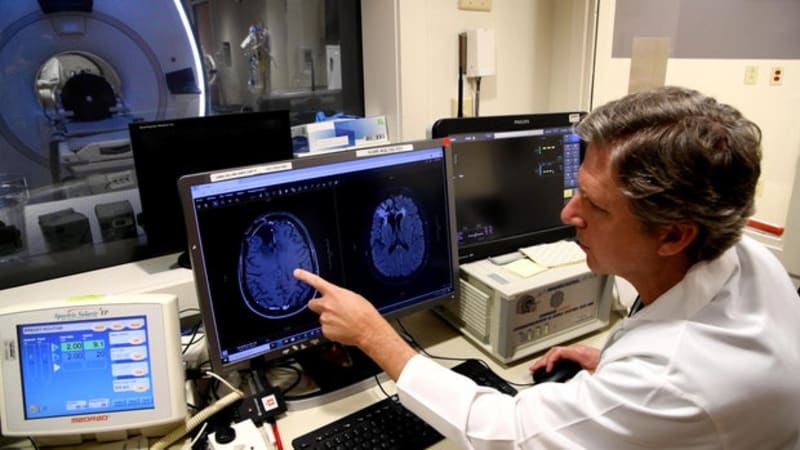
Valle underwent up to six treatments over six months, along with frequent MRIs to monitor her progress.
The Ripple Effect
The trial results surprised even the researchers. At a point when most glioblastoma patients had died, 40% of the 34 participants were still alive. When compared to a control group receiving standard treatment, the focused ultrasound patients showed a clear survival advantage.
The technology sparked an unexpected discovery. Blood tests before and after treatment showed different results, suggesting doctors might one day monitor brain cancers with simple blood draws instead of invasive biopsies.
Dr. Patrick Wen at Dana Farber Cancer Institute, who wasn't involved in the research, called it "an important step in the right direction" and "an encouraging signal." He hopes future studies will test more medications using this delivery method.
The FDA is currently reviewing the treatment. While it's not yet available to patients, the University of Maryland is running another trial testing the technique on lung cancer that has spread to the brain.
Woodworth envisions a future where clinics routinely use the device to treat brain disorders. "It really opens the door for doctors, pharmaceutical companies and biotech companies to work together," he said.
Valle calls herself "truly an outlier" among glioblastoma patients, now living years beyond her original prognosis thanks to sound waves that opened a door in her brain.
More Images


Based on reporting by Google News - Health
This story was written by BrightWire based on verified news reports.
Spread the positivity!
Share this good news with someone who needs it