Brain Cells Engineered to Eat Alzheimer's Plaques in Mice
Scientists turned brain support cells into amyloid-eating machines that slashed Alzheimer's plaques by half in mice. A single injection could offer lasting protection without the risks of current drugs.
Scientists just borrowed a cancer-fighting trick to tackle one of medicine's toughest challenges: Alzheimer's disease.
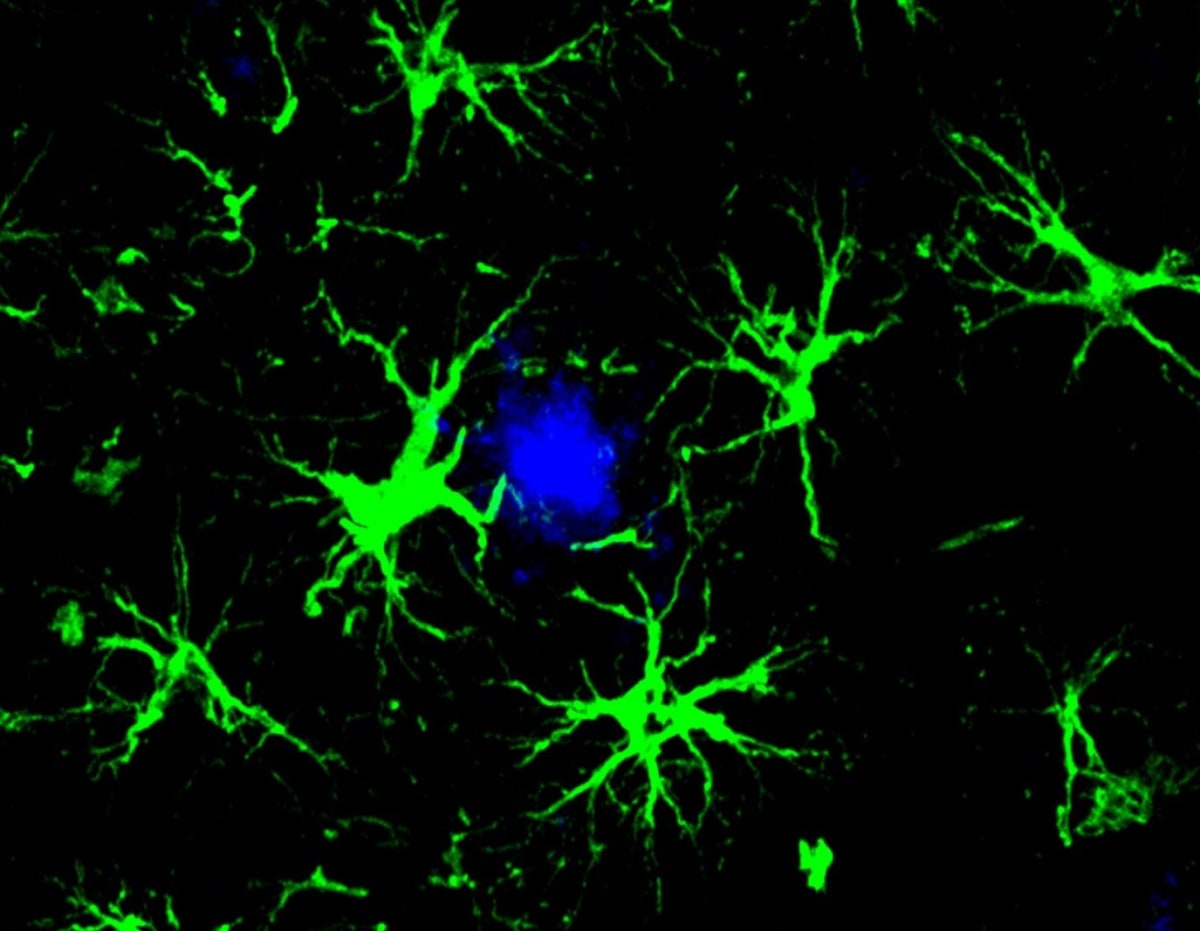
Researchers at Washington University School of Medicine transformed ordinary brain cells into plaque-destroying machines. Using technology adapted from revolutionary blood cancer treatments, they engineered astrocytes (brain support cells) to hunt down and devour the toxic protein clumps linked to Alzheimer's.
The results were remarkable. A single injection prevented plaque formation in young mice for at least three months. In older mice already showing buildup, the treatment cut toxic amyloid levels in half and protected neurons from further damage.
This approach solves problems that plague current Alzheimer's drugs. The FDA recently approved two amyloid-clearing medications, but both require repeated treatments and carry serious risks like brain bleeds. Many patients opt out because of these dangers.
The new therapy, called CAR-A, works differently. Instead of injecting antibodies that struggle to reach the brain, scientists deliver genetic instructions via a harmless virus. Once inside, these instructions reprogram astrocytes already living in the brain to recognize and consume amyloid plaques.
Think of it like upgrading your brain's natural cleaning crew. Astrocytes normally provide nutrients and repair damage, but they're not efficient at removing toxic proteins. The genetic modification turns them into specialized custodians focused on clearing amyloid buildup.
The treatment had bonus effects too. It helped the brain's immune cells work better, removed malfunctioning cells, and lowered inflammation. By sharing the cleanup duties between different cell types, the therapy created a healthier brain environment overall.
This marks the first time scientists have successfully engineered brain cells to target Alzheimer's plaques. Previous attempts used immune cells from outside the brain, which required extra chemicals to keep working and risked complications.
Why This Inspires
Marco Colonna, who led the study, calls this a breakthrough in Alzheimer's research. For over a century, this disease has baffled scientists and devastated families. Now, technology developed to fight cancer is opening new doors.
The beauty of this approach is its potential for lasting impact. While current drugs need regular infusions, CAR-A cells could provide ongoing protection from a single treatment. They're made from cells that naturally belong in the brain, reducing the risk of rejection or side effects.
Human trials are still years away, but the mouse results offer genuine hope. If this works in people, it could protect brains before symptoms appear or slow progression in early-stage patients without the risks of existing treatments.
After decades of disappointing results, Alzheimer's research is finally seeing real innovation.
More Images

Based on reporting by Singularity Hub
This story was written by BrightWire based on verified news reports.
Spread the positivity!
Share this good news with someone who needs it