Brain Chip Pioneer: Technology Reaches Tipping Point
After decades of research, the scientist who created the first brain chip says the technology is ready to help paralyzed people control computers and restore speech. Companies like Neuralink are racing to bring these life-changing devices to patients who need them most.
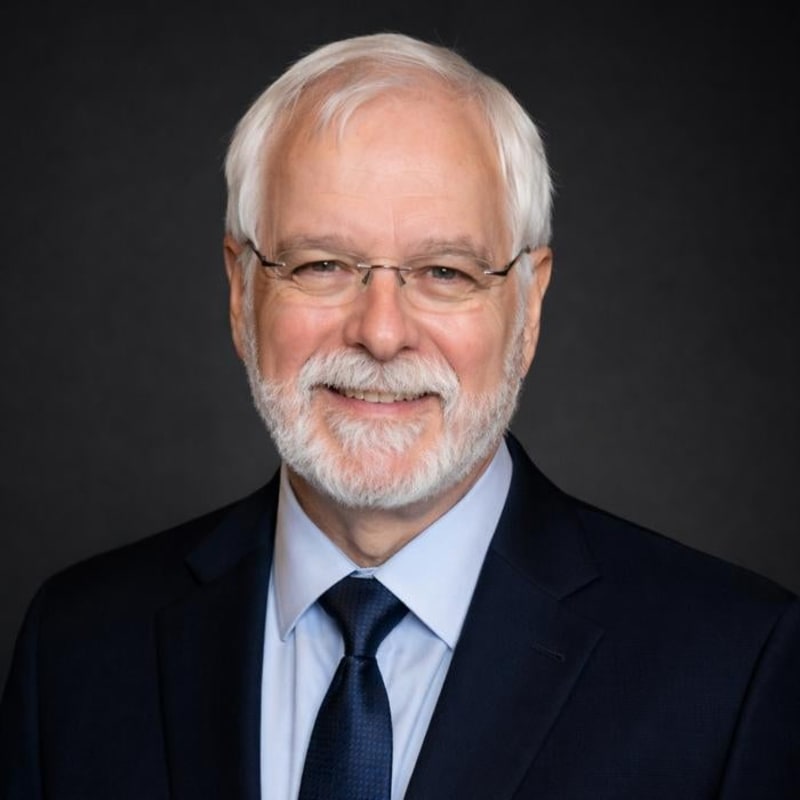
Decades after his invention first allowed a paralyzed person to move a cursor with their mind, Professor John Donoghue believes brain chips are finally ready for widespread use.
The Brown University researcher created BrainGate, the world's first brain chip, and just won the prestigious Queen Elizabeth Prize for engineering. His early work proved that paralyzed people still have vibrant brain activity associated with movement, something critics once doubted.
When Donoghue's team first tested their device, they didn't know what to expect. Some scientists believed the motor cortex would go silent after paralysis.
Instead, the chip lit up with activity. It successfully decoded brain signals to help a volunteer turn thoughts into speech and control a robotic arm.
The technology works through tiny electrodes connected to a computer chip that detects nerve signals in the brain. Now, companies like Elon Musk's Neuralink are building on this foundation, with 12 clinical trial patients already using similar devices to control computers with their thoughts.
Why This Inspires
The biggest challenge has been making these devices safe enough to stay in the brain permanently. Heat from processors and potential infections posed serious risks that took years to solve.
"If you have a device with electronics on it, it gets hot, just like your phone," Donoghue explained. The brain can only tolerate a degree or two of temperature change.
Researchers in San Francisco recently developed a robot arm that receives brain signals, allowing a man who couldn't speak or move to interact with objects around him. These breakthroughs show the technology is moving from laboratory to real life.
Donoghue believes well-funded companies will soon get approval to help people with severe paralysis. The applications go beyond movement: restoring speech for those who've lost it and giving people independence through computer control.
After decades of careful research and problem-solving, the future Donoghue envisioned is finally arriving for people who need it most.
More Images
Based on reporting by Independent UK - Good News
This story was written by BrightWire based on verified news reports.
Spread the positivity!
Share this good news with someone who needs it