Brain Implant Could Restore Vision for Millions of Blind
A Belgian startup just earned FDA breakthrough status for a brain implant that bypasses damaged eyes entirely to restore functional vision. Clinical trials in blind volunteers could begin as soon as summer 2027.
Millions of people living with untreatable blindness may soon have hope for seeing again, thanks to a device that talks directly to the brain.
ReVision Implant, a Belgian neurotechnology startup, just received Breakthrough Device designation from the FDA for Occular, a visual cortex prosthesis designed to restore functional vision. The recognition clears the path toward human clinical trials starting in 2027.
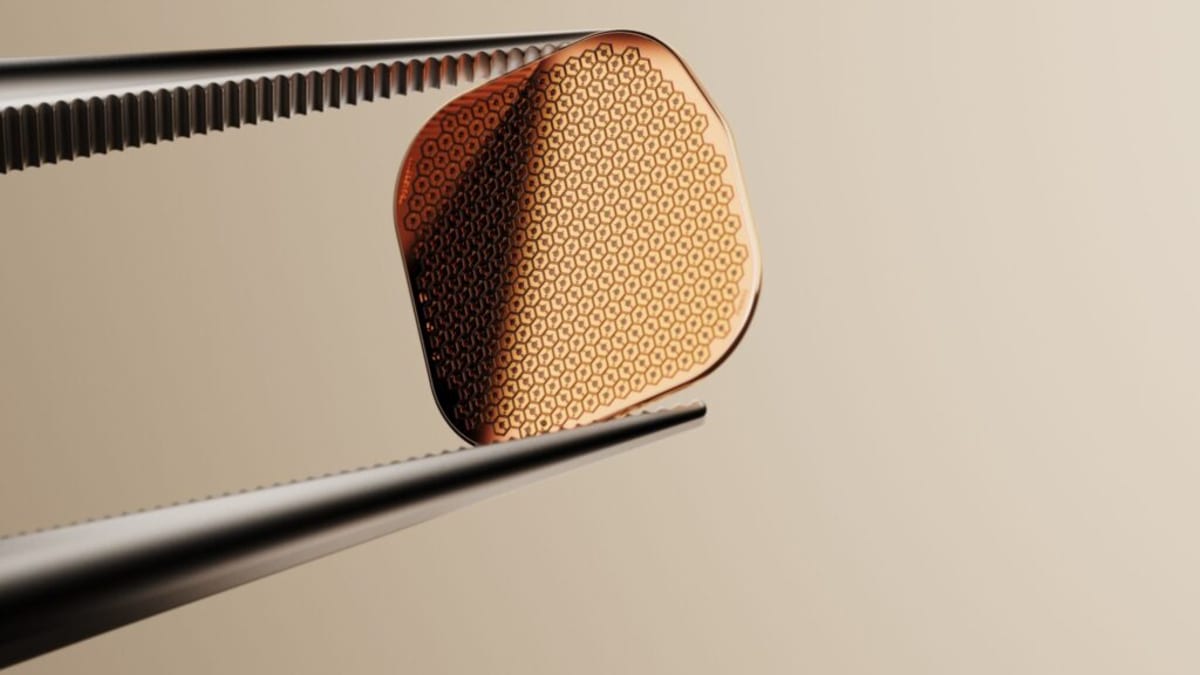
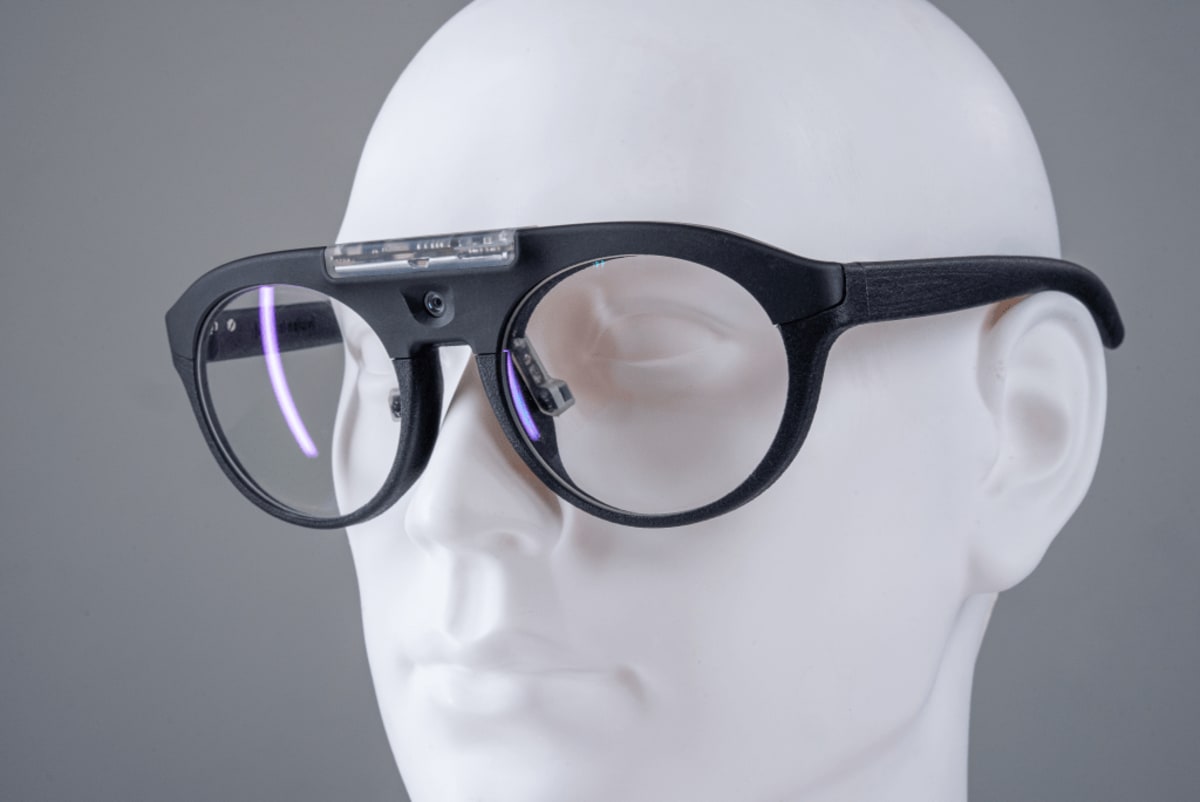
Unlike most vision restoration technologies that target the retina, Occular works even when the eyes or optic nerves are too damaged to repair. The system uses a tiny camera on a wireless headset to capture what's in front of the user. That visual information gets transmitted to an implant in the brain's visual cortex, which stimulates neurons in patterns the brain interprets as points of light.
These light signals combine to form simple visual representations that help users identify objects and navigate their surroundings. It's similar to how cochlear implants transformed hearing loss treatment, but for sight.
The company has been developing the technology since 2020 and spent over two years in animal studies focused on long-term performance. Only 160 medical devices received Breakthrough status throughout 2025, making this recognition particularly significant.
A short-term clinical trial during scheduled brain surgery is planned for October 2026. The company expects to begin early-stage trials with blind volunteers by summer 2027, pending regulatory approvals.
The Ripple Effect
About 650,000 people in the US and EU combined live with severe blindness that current treatments can't help. Because Occular stimulates the visual cortex directly, it could work for many different causes of blindness, including retinal degeneration and optic nerve damage.
"While cochlear implants have transformed treatment for hearing loss, there is still no widely available neuroprosthetic solution for restoring vision," said Frederik Ceyssens, CEO of ReVision Implant. "Our aim is to provide people living with severe blindness with functional vision that improves independence and quality of life."
The Breakthrough Device designation gives ReVision early access to FDA feedback on their clinical trial protocols and regulatory roadmap through the Total Product Life-Cycle Advisory Program. This collaborative approach helps promising medical innovations reach patients faster while maintaining safety standards.
If trials succeed, this technology could give hundreds of thousands of people the chance to see loved ones' faces, read, and move through the world with greater independence.
More Images


Based on reporting by Google News - Tech Breakthrough
This story was written by BrightWire based on verified news reports.
Spread the positivity!
Share this good news with someone who needs it