Brain Implants Let Paralyzed Patients Type 22 Words a Minute
Two paralyzed people are typing with their thoughts alone, using brain implants that translate imagined finger movements into keystrokes at speeds rivaling smartphone users. After learning just 30 sentences, they're chatting, joking, and reclaiming independence through a familiar QWERTY keyboard.
Imagine losing the ability to move or speak, but your mind remains sharp and you have so much to say. Two people with paralysis just got their voices back through brain implants that let them type by thought alone, reaching speeds of 22 words per minute with remarkable accuracy.
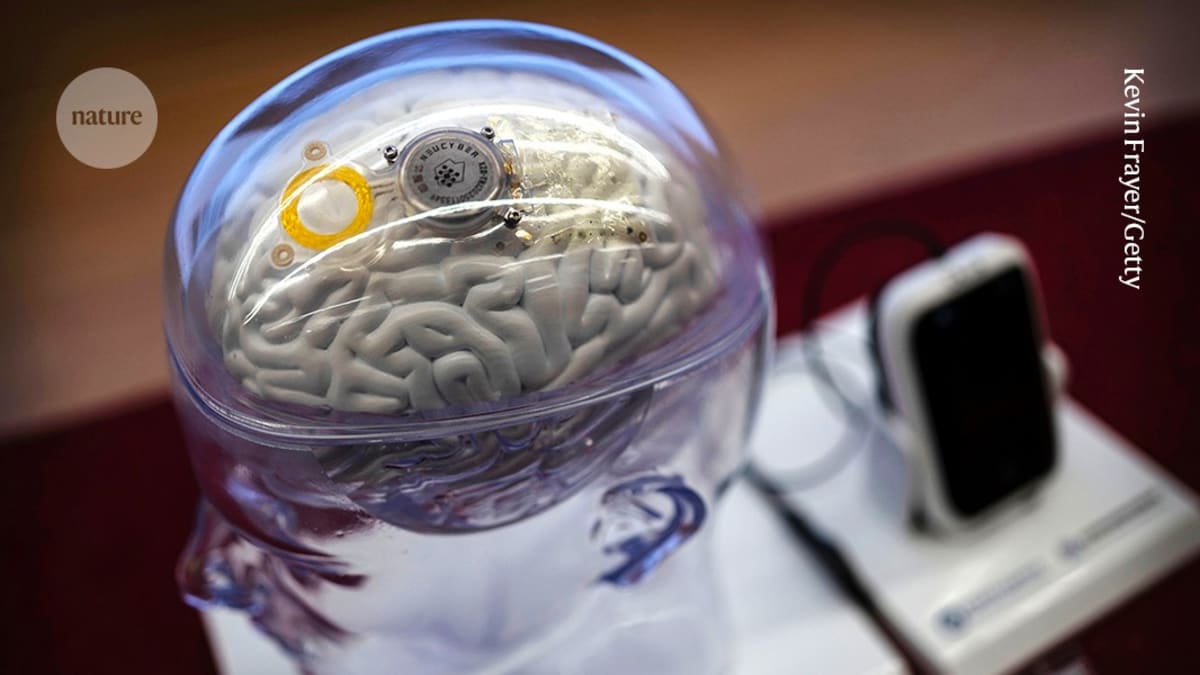
Scientists at Massachusetts General Hospital connected tiny implants in their patients' brains to a standard digital keyboard. As each person imagined moving their fingers to type, the system translated those brain signals into actual keystrokes in real time.
The participants are T17, diagnosed with ALS at 30, who had lost control of his vocal muscles and could only move his eyes. T18 had been paralyzed by a spinal cord injury 18 months before joining the study. Both had everything to say but no easy way to say it.
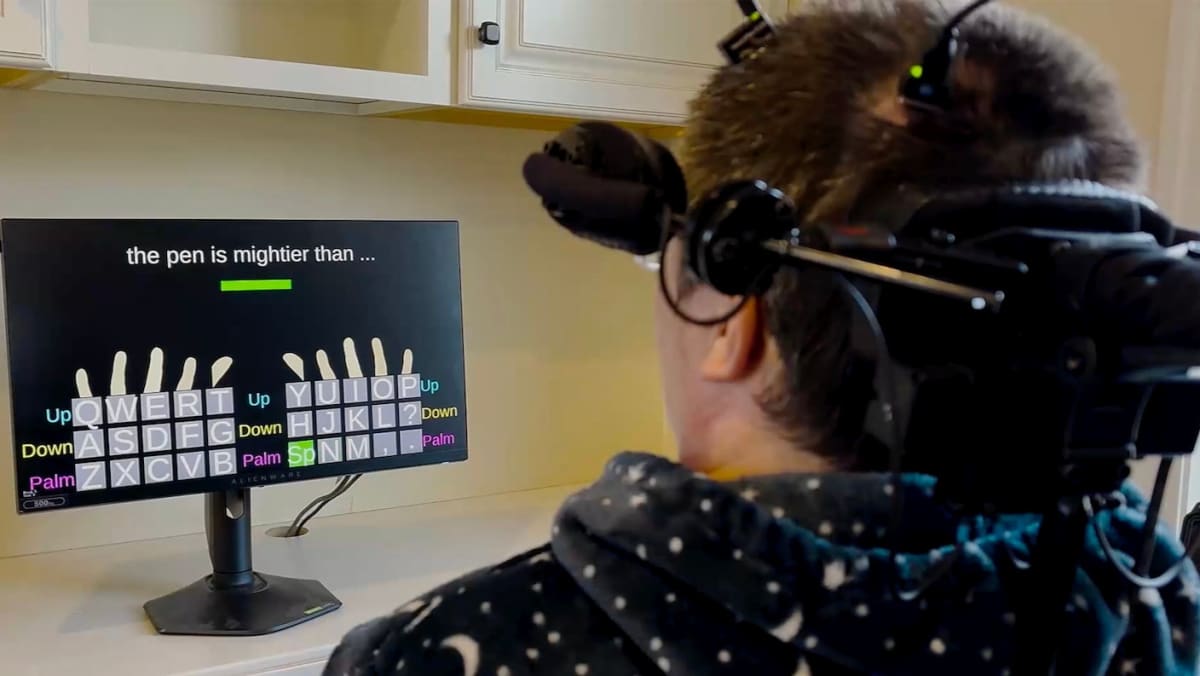
The breakthrough came from using something familiar: the QWERTY keyboard we all know. Instead of learning a completely new system, participants imagined the finger movements they'd used their whole lives—stretching for upper row letters, tapping down for middle ones, curling slightly for the bottom row.
After practicing with just 30 sentences, both were ready to type freely. When asked about his former job, T18 cheekily responded, "the best part of my job was the end [of] the day." That kind of spontaneous humor shows how natural the system became.
Previous brain-to-text systems relied on eye tracking, where users painstakingly focused on one letter at a time. The process was exhaustingly slow and riddled with errors. Many people abandoned the technology entirely out of frustration.
This new approach is different. Users don't need to stare at the screen, giving their eyes a much-needed break during longer conversations. They also maintain complete control over when to share their thoughts, preventing accidental broadcasting of private musings.
The system combines deep learning to predict intended characters with a language model that autocompletes sentences, much like texting on a smartphone. The result is the fastest brain implant communication method ever reported from the hand motor cortex.
Why This Inspires
This technology represents more than faster typing. It restores dignity, independence, and the simple joy of cracking a joke or sharing a thought exactly when you want to.
For people who've lost physical control but retain sharp minds, every word typed is a victory. The familiar keyboard layout means less mental energy spent learning and more spent actually communicating with loved ones.
China recently approved the first brain implant device available outside clinical trials, signaling these systems are moving from experimental to practical. What once seemed like science fiction is becoming everyday reality for people who need it most.
The BrainGate2 clinical trial continues pushing boundaries, proving that locked-in minds can unlock new pathways to connection. One typed word at a time, people are reclaiming conversations they thought they'd lost forever.
More Images


Based on reporting by Singularity Hub
This story was written by BrightWire based on verified news reports.
Spread the positivity!
Share this good news with someone who needs it