Brain Protein Reverses Aging Signs in Mice
Scientists discovered that restoring a declining brain protein called Menin reversed memory loss, bone thinning, and inflammation in aging mice. A simple amino acid supplement also improved brain function, offering new hope for treating age-related decline.
Scientists may have found a biological switch that controls how fast our bodies age, and early tests suggest it might be reversible.
Researchers at Xiamen University in China discovered that a brain protein called Menin drops sharply as we age, triggering inflammation and memory problems throughout the body. When they restored this protein in older mice, several signs of aging reversed.
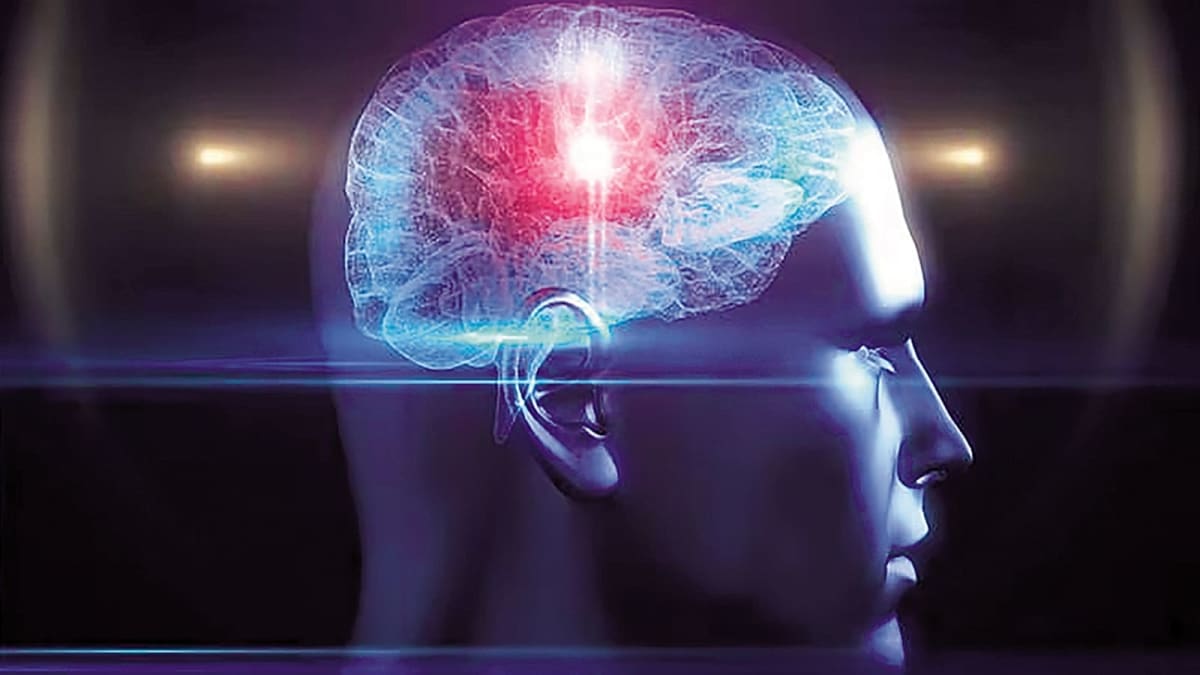
The breakthrough centers on the hypothalamus, a tiny brain region that controls metabolism, hormones, sleep, and stress. Scientists increasingly believe this area acts as a command center for aging itself, sending signals that affect the entire body.
Lead researcher Lige Leng and his team tracked Menin levels in mice as they aged. The protein plummeted specifically in neurons of the ventromedial hypothalamus, a zone linked to metabolism and systemic aging. Support cells nearby showed no similar decline.
To test what happens when Menin disappears, the team engineered young mice with reduced Menin activity. The results were striking. These mice developed brain inflammation, thinning skin, weaker bones, balance problems, memory issues, and shorter lifespans compared to normal mice.
The most surprising discovery involved D-serine, an amino acid that helps brain cells communicate and supports learning and memory. When Menin dropped, D-serine production fell too. The researchers traced this to reduced activity of an enzyme that creates D-serine, which Menin appears to regulate.
The Bright Side
D-serine occurs naturally in everyday foods like soybeans, eggs, fish, and nuts. It's also available as a dietary supplement. When researchers gave aging mice D-serine supplements, their cognitive function improved, suggesting a simple intervention might help protect brain health.
The findings, published in PLOS Biology, add to growing evidence that aging isn't just inevitable wear and tear. Other studies have already linked declining D-serine levels with age-related memory problems and reduced synaptic plasticity, the brain's ability to strengthen neural connections needed for learning.
The research opens new possibilities for treating age-related decline. If Menin acts as a protective anti-aging factor in humans the same way it does in mice, therapies that boost this protein or support D-serine production could help people maintain sharper minds and healthier bodies as they age.
Scientists still need to confirm these findings in human studies, but the mouse experiments offer a clear roadmap for future research.
Based on reporting by Google News - Researchers Find
This story was written by BrightWire based on verified news reports.
Spread the positivity!
Share this good news with someone who needs it