Brain Scans Reveal Surprising Clue About Long COVID
Scientists expected to find inflammation in long COVID brains, but scans revealed something different. The discovery could change how millions of patients get treated.
Millions of people worldwide have wondered why their long COVID symptoms refuse to fade. Now brain scans from Finland are pointing toward an unexpected answer.
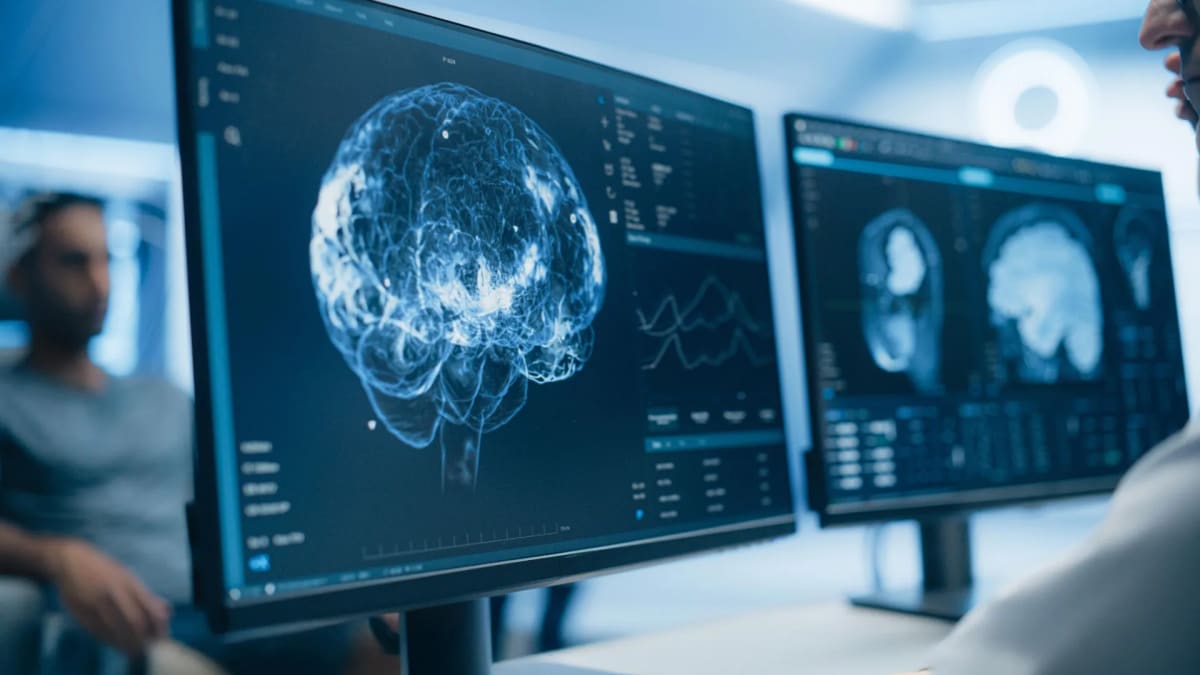
Researchers at the University of Turku examined the brains of 14 long COVID patients using advanced imaging technology. They expected to find widespread inflammation, the leading theory behind symptoms like brain fog, fatigue, and depression.
Instead, they found almost nothing. Compared to 13 patients with multiple sclerosis, a disease known for brain inflammation, the long COVID group showed remarkably low inflammatory activity. Blood tests confirmed it: no meaningful differences between long COVID patients and healthy volunteers.
The real surprise came when researchers looked at patients' emotional brain centers. Those with the worst symptoms showed heightened activity in the hippocampus and amygdala, regions that control memory, stress responses, and emotional regulation.
Professor Laura Airas, who led the study, discovered one more intriguing pattern. Patients scanned within 16 months of infection showed higher inflammation levels than those sick for longer periods. The inflammation appears to fade over time, suggesting it's strongest right after infection.
Why This Inspires
This discovery matters because it opens new doors for treatment. For years, doctors have focused on reducing inflammation in long COVID patients. Now this research suggests some patients might benefit more from therapies targeting stress management and emotional regulation.
The findings don't diminish the very real suffering of long COVID patients. Instead, they offer a more complete picture of what's happening in their brains and bodies. Understanding that heightened activity in emotional centers correlates with symptom severity gives doctors a new target for relief.
The research team analyzed participants using PET scans, MRI imaging, and blood work to ensure they weren't missing hidden inflammation. The thoroughness of their approach makes the results even more compelling.
Long COVID affects millions whose symptoms persist for months or years after initial infection. Many have felt dismissed or misunderstood as doctors struggled to explain their ongoing struggles.
This study, published in the Journal of Neurology, represents a turning point in how scientists understand the condition. It replaces assumptions with evidence and offers hope that treatments can become more targeted and effective.
The path forward means continuing to investigate the complex biological mechanisms at work. Each discovery brings researchers closer to personalized treatments that address what's actually happening in each patient's brain, not just what scientists assumed was happening.
Based on reporting by Health Daily
This story was written by BrightWire based on verified news reports.
Spread the positivity!
Share this good news with someone who needs it