Brain Sensor Uses Living Neurons to Heal Neurological Damage
A biotech company is preparing to test a revolutionary brain sensor that uses lab-grown neurons instead of metal electrodes, offering hope for treating conditions from stroke recovery to Parkinson's disease. Unlike traditional implants that damage brain tissue, this gentler approach could help millions suffering from neurological conditions.
Scientists are about to test a brain sensor that works more like biology than technology, potentially transforming how we treat devastating neurological diseases.
Science Corporation, founded by former Neuralink president Max Hodak, has recruited Dr. Murat Günel from Yale Medical School to lead the first U.S. human trials of their groundbreaking biohybrid brain sensor. The device takes a completely different approach than existing brain implants by using lab-grown neurons instead of metal probes.
The difference matters more than you might think. Traditional brain-computer interfaces use metal electrodes that can damage brain tissue over time, limiting their effectiveness. Science's sensor rests gently on top of the brain rather than piercing into it, and will eventually include living neurons that naturally connect with a patient's own brain cells.
The company already proved the concept works in mice last year. Now they're ready to test the advanced sensor (without the embedded neurons initially) in human patients who already need brain surgery for other reasons, like stroke victims requiring skull removal to reduce swelling.
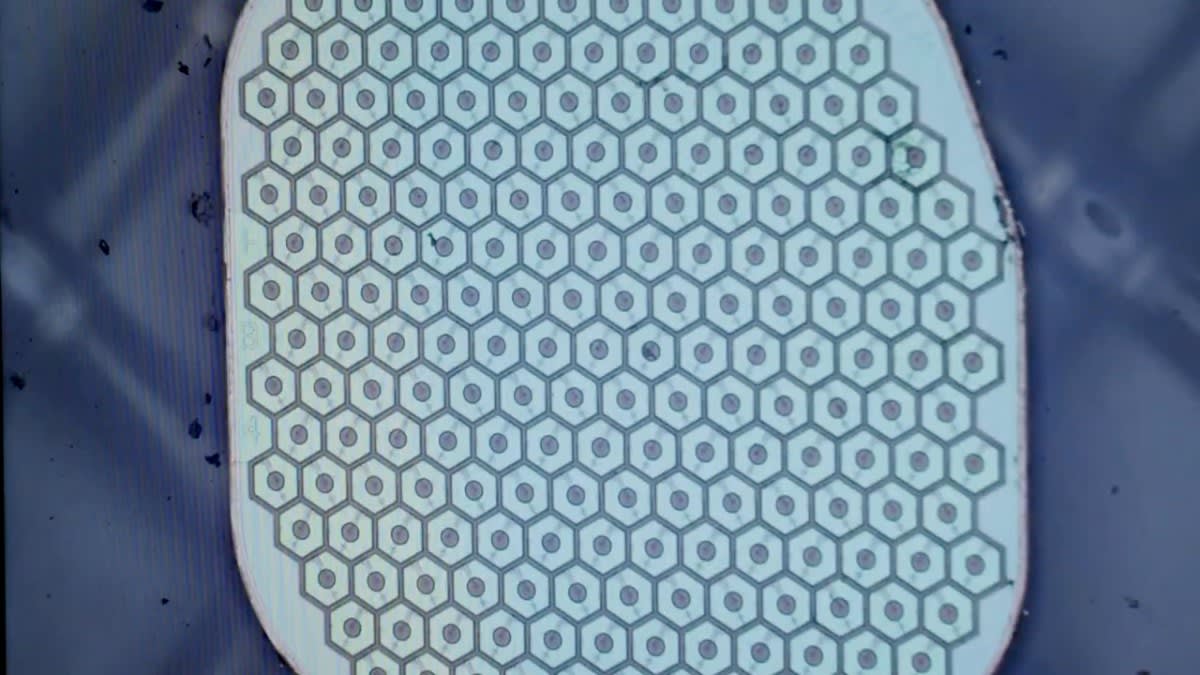
This first step will measure whether the pea-sized device, packed with 520 recording electrodes, can safely track brain activity. The company believes it poses such minimal risk that FDA approval isn't required for these initial trials.
The $1.5 billion company isn't starting from scratch. Science already has a vision restoration device called PRIMA moving through European regulatory approval, expected to become available this year for people with macular degeneration.
Why This Inspires
The potential applications extend far beyond what current brain implants can do. Early uses could include gentle electrical stimulation to help damaged brain or spinal cord cells heal themselves, something conventional medicine struggles to achieve.
The technology could also monitor brain tumor patients and warn caregivers about oncoming seizures before they happen. For patients with progressive diseases like Parkinson's, the biohybrid approach might finally offer what neither brain cell transplants nor electrical stimulation alone have provided: a way to actually slow the disease's relentless advance.
Dr. Günel describes the concept as "combining the best of both approaches," merging biological healing with electronic precision. His team of 30 researchers is now growing neuron cells for different therapeutic applications while preparing the medical ethics approvals needed for human trials.
What makes this moment special isn't just the technology itself, but the philosophy behind it: sometimes the best way forward is working with the body's natural systems rather than fighting against them.
More Images


Based on reporting by TechCrunch
This story was written by BrightWire based on verified news reports.
Spread the positivity!
Share this good news with someone who needs it