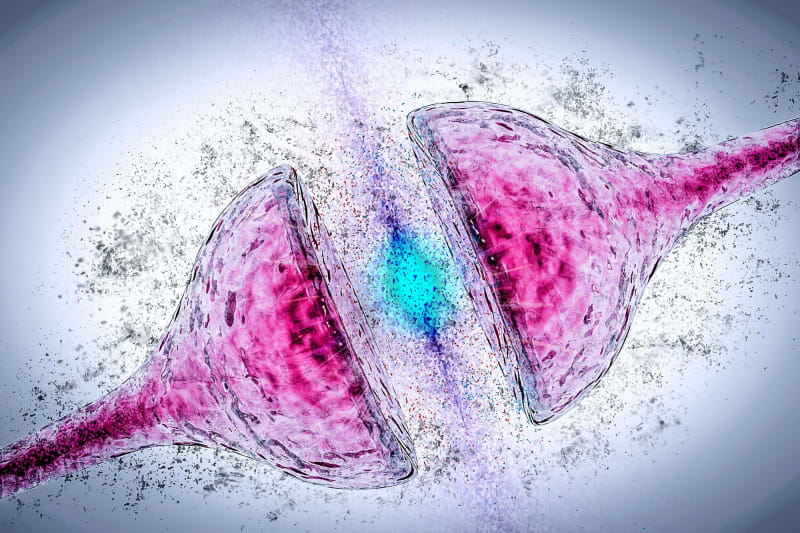
Brain Stem Cell Trial Offers Hope for Parkinson's Patients
Doctors are testing a groundbreaking treatment that implants lab-grown stem cells into the brain to restore dopamine production in people with Parkinson's disease. If successful, the approach could slow disease progression and rebuild motor function for over one million Americans living with the condition.
Scientists are implanting specially engineered stem cells into the brains of Parkinson's patients, hoping to replace the dopamine-producing cells that the disease destroys. The early-phase clinical trial could offer the first treatment that addresses the root cause rather than just masking symptoms.
Parkinson's disease affects more than one million Americans, with 90,000 new diagnoses each year. The disease gradually kills brain cells that produce dopamine, a crucial chemical messenger that helps coordinate smooth movement and supports memory and mood.
As these cells die, patients experience tremors, stiffness, and slowed movement. Current treatments ease symptoms but cannot stop the underlying cell loss or cure the disease.
The new approach uses induced pluripotent stem cells, or iPSCs, which start as ordinary adult cells like skin or blood cells. Scientists reprogram these cells back into a flexible state, then guide them to develop into dopamine-producing brain cells.
"If the brain can once again produce normal levels of dopamine, Parkinson's disease may be slowed down and motor function restored," said Dr. Brian Lee, a neurosurgeon with Keck Medicine of USC leading the study.
During the procedure, Lee drills a small hole in the skull and uses MRI imaging to precisely place the stem cells into the basal ganglia, the brain region controlling movement. Patients are monitored for up to 15 months for symptom changes and potential side effects, with follow-up continuing for five years.
Why This Inspires
This trial represents a fundamental shift in how doctors think about treating Parkinson's. Instead of temporarily boosting remaining dopamine or managing symptoms, the treatment aims to rebuild the damaged circuitry itself.
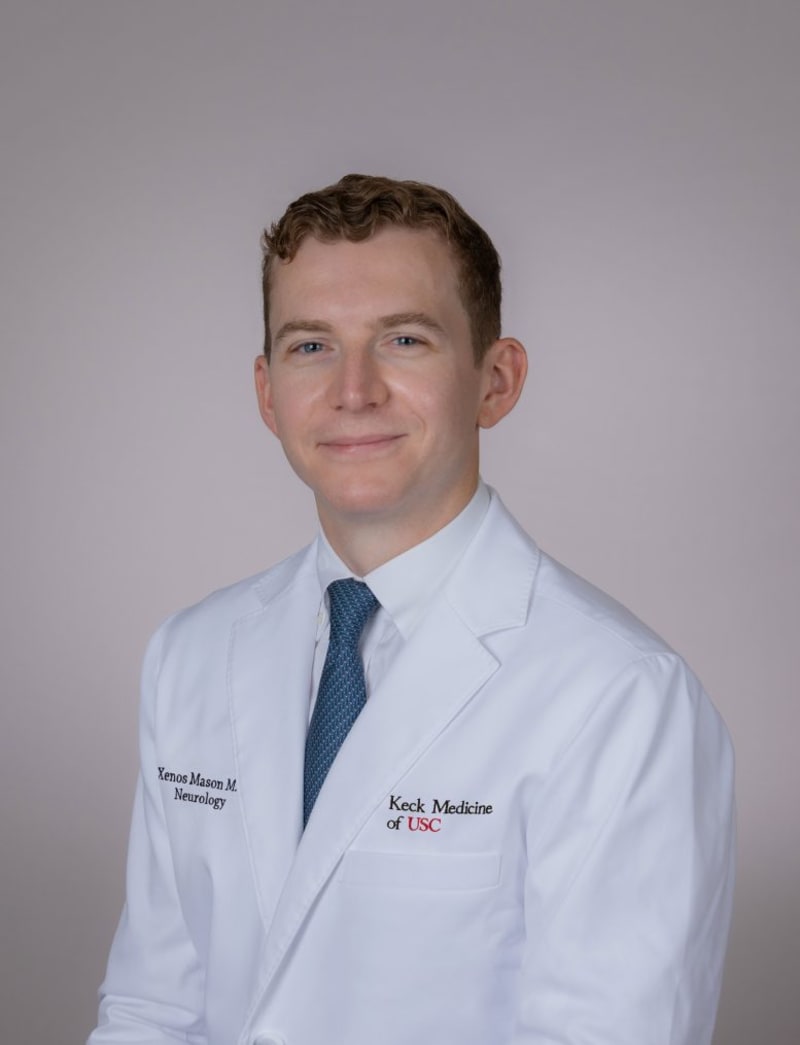
The stem cell approach also sidesteps ethical concerns around embryonic stem cells by using reprogrammed adult cells. Dr. Xenos Mason, a neurologist co-leading the study, believes these cells "offer the best chance of jump-starting the brain's dopamine production."
Keck Medicine is one of three U.S. sites testing the treatment on 12 participants with moderate to severe disease. Each patient represents hope that science can restore what Parkinson's takes away, rebuilding not just dopamine levels but quality of life itself.
The road ahead requires patience and careful monitoring, but the possibility of repairing motor function could transform how we treat this progressive disease.
More Images

Based on reporting by Google News - Disease Cure
This story was written by BrightWire based on verified news reports.
Spread the positivity!
Share this good news with someone who needs it