Brain Surgery Turns Accountant Into Thriving Artist at 62
After emergency brain surgery left her unable to crunch numbers, a former accountant discovered an unexpected gift that transformed her recovery. Cheryl Blacklock's story reveals how the brain can rewire itself in remarkable ways.
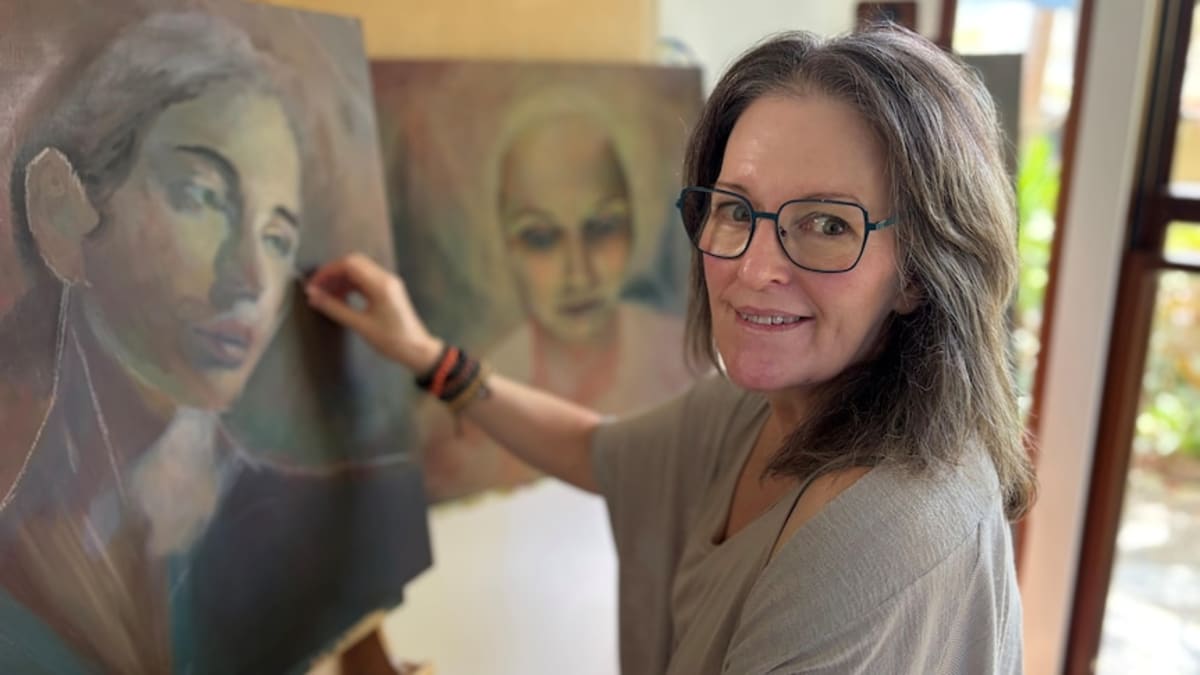
Cheryl Blacklock sits in her backyard studio in Bonny Hills, Australia, painting emotional portraits that seem to flow from her brush like second nature. Just seven years ago, the 62-year-old was an accountant who hadn't touched art supplies since high school.
Everything changed in April 2019 when Blacklock drove herself to the hospital feeling suddenly unwell. Doctors discovered brain aneurysms and a rare artery disease, requiring emergency surgery to clip the aneurysms at Newcastle's John Hunter Hospital.
A hemorrhage during surgery left Blacklock with an acquired brain injury. The numbers and forms that once came naturally became nearly impossible to process. She once accidentally told a client he'd receive a $10,000 refund when he actually owed that amount.
But something unexpected emerged during her recovery. Blacklock felt an overwhelming urge to create art, painting faces that appeared as visions in her mind. The woman who had chosen accounting over art for its stability found herself unable to stop painting.
"At the start of my recovery the art was like an addiction," Blacklock said. "If I didn't do art every day, it was a bad day. It makes my brain completely stop and calm."
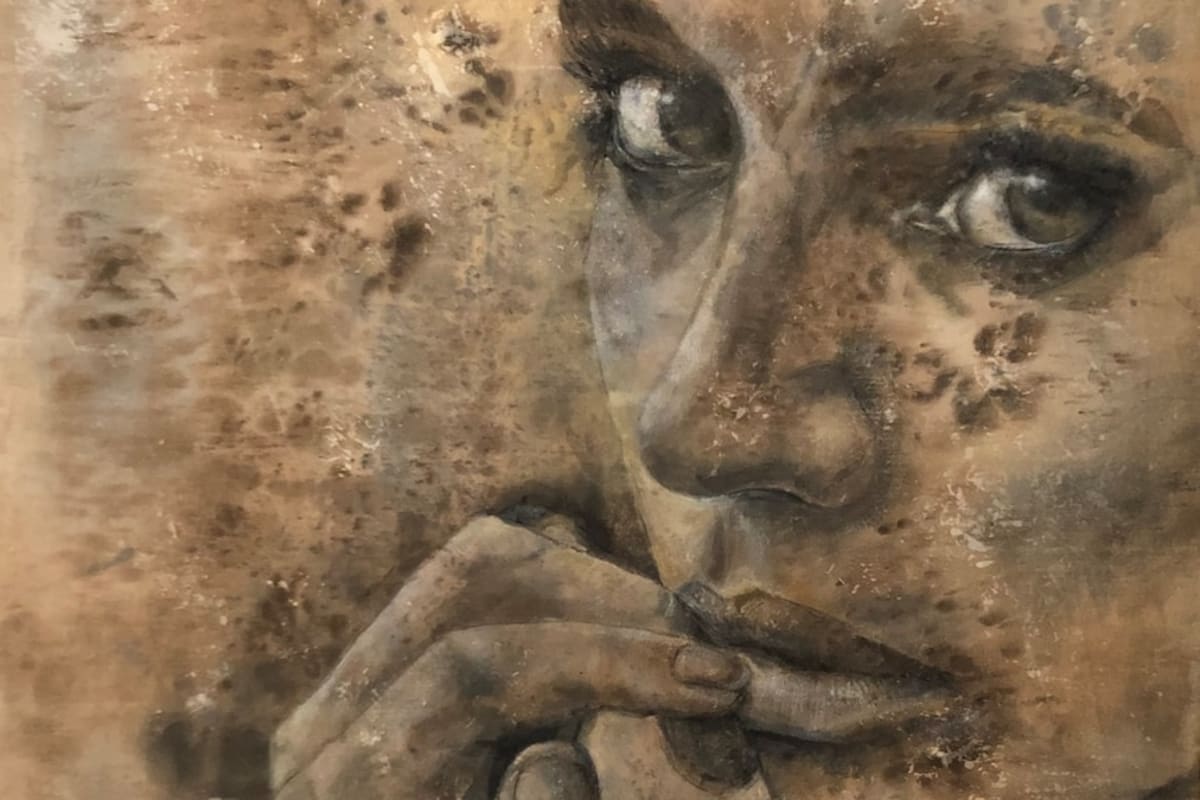
After resigning from accounting, she devoted herself full-time to painting. She now participates in exhibitions and regional art competitions, creating abstract portraits using muted colors.
Sunny's Take
What makes Blacklock's transformation so moving goes beyond a simple career change. Her story shows how our brains can compensate for loss by revealing hidden strengths. Professor Fatima Nasrallah, a neuroscientist at the University of Queensland, explains that brain networks constantly rewire themselves in response to injury and environment.
"Depending on where they rewire to, it comes up with new ways of thinking," Nasrallah said. The brain might shift toward networks relevant to art during recovery, awakening dormant talents.
Port Macquarie artist Vivianne Hazenveld, who mentored Blacklock, sees this regularly in her therapeutic art programs. For people like Blacklock, creating art becomes a vital need that calms the nervous system like active meditation.
Blacklock now creates the work she feels called to make, translating emotions into portraits and abstract images. She even created a striking charcoal piece interpreting her own brain's vascular system and artery disease.
"I think sometimes the universe tries to tell you to stop and slow down and see the roses," Blacklock reflects. In losing one ability, she discovered her truest self.
More Images


Based on reporting by ABC Australia
This story was written by BrightWire based on verified news reports.
Spread the positivity!
Share this good news with someone who needs it