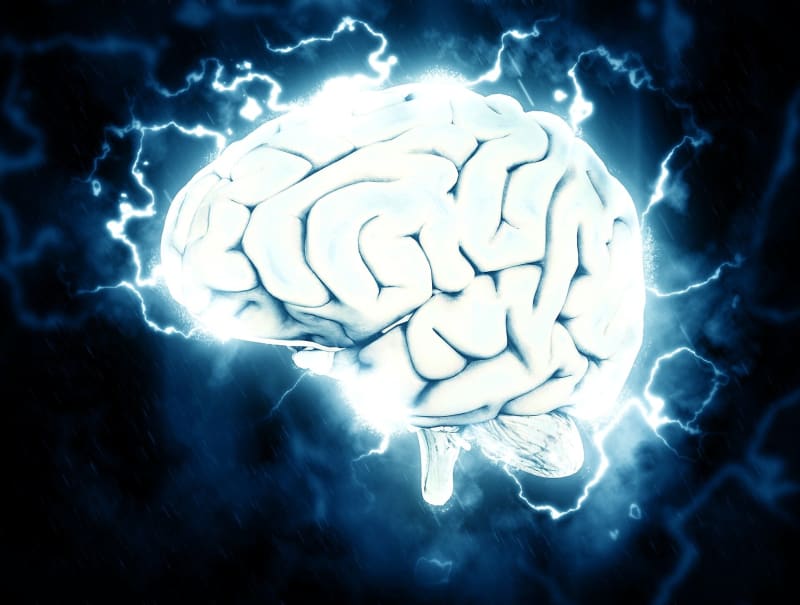
Brain Therapy Cuts Depression Costs, Gets Patients Working
A proven depression treatment using magnetic pulses is finally showing its value for money, potentially opening doors for thousands who've run out of options. New research proves it pays for itself by getting people back to work and easing strain on healthcare systems.
For people whose depression won't respond to medication or therapy, hope just got more accessible.
A major study from the University of Nottingham found that transcranial magnetic stimulation (TMS) is cost-effective for the National Health Service, potentially clearing the path for wider availability across the UK. The treatment uses powerful magnetic pulses applied to the brain to relieve symptoms in patients who haven't responded to other treatments.
The research compared TMS to standard care in specialist mental health services. Patients showed reduced depression symptoms, caregivers experienced less burden, and importantly, people returned to work faster. The treatment essentially pays for itself over time through healthcare savings and fewer lost workdays.
Susan Varley, a nurse who received TMS, knows this transformation firsthand. She had tried everything for her severe depression before traveling to receive TMS therapy. "It has transformed my life," she said. "I am back working as a nurse, lost four stone in weight and I am enjoying life again with family and friends."
About one third of depression patients have treatment-resistant depression, defined as not responding to two courses of antidepressants. That leaves millions of people worldwide without effective options for a condition that ranks as the leading cause of disability globally.
TMS involves sitting conscious while magnetic pulses are delivered to the left side of the head over at least 20 sessions across four to six weeks. It's safe, approved since 2015, and was actually invented in the UK. Yet only one in seven NHS Trusts currently offer it, largely because evidence of its financial value was missing.
The new economic analysis examined data from 442 participants in two clinical trials. Researchers found that both forms of TMS studied cost between £12,000 and £13,000 per quality-adjusted life year gained, well below the NHS threshold of £20,000 to £30,000 for cost-effective treatments.
Senior health economist Edward Cox emphasized that delivery matters. "Services that can achieve a streamlined high throughput model of care can expect to deliver a highly cost-effective treatment," he said. The findings give policymakers the evidence needed to establish cost-effective implementation models.
The Ripple Effect
The impact extends far beyond individual patients. When someone with severe depression improves enough to return to work, their family members and informal caregivers gain relief too. Healthcare systems see reduced emergency visits and hospitalizations. Employers regain productive employees. The economic ripple creates a virtuous cycle where investing in mental health treatment generates returns across society.
With major depression being one of the biggest killers of people aged 15 to 49, every effective treatment option matters. This research transforms TMS from a promising but underused therapy into one with proven financial justification for widespread adoption.
Thousands of patients who've exhausted other options may soon have access to a treatment that could give them their lives back.
More Images

Based on reporting by Medical Xpress
This story was written by BrightWire based on verified news reports.
Spread the positivity!
Share this good news with someone who needs it