Brain's Immune Cells Hold Exciting Promise for Treating Multiple Diseases
Scientists are making remarkable breakthroughs in microglia replacement therapy, offering new hope for treating brain diseases from rare genetic conditions to Alzheimer's. This innovative approach refreshes the brain's own immune cells, showing promising results in early clinical trials with minimal side effects.
Imagine having a refresh button for your brain's immune system. That's exactly what scientists are developing, and the results are genuinely exciting.
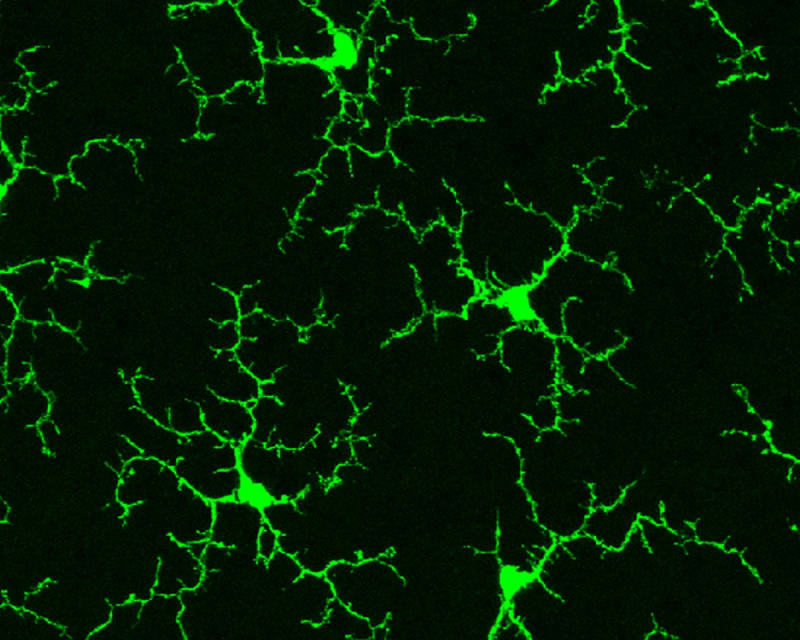
Microglia are the unsung heroes of our brains—tiny guardians that protect us from pathogens, clear away harmful protein buildup, and even help shape our brain's connections. Unlike neurons, which can't regenerate themselves, microglia have the remarkable ability to renew and multiply, especially when our brains need extra protection during inflammation or disease.
But what happens when these cellular guardians themselves need help? Researchers have found an inspiring solution: replace struggling microglia with fresh, healthy cells. This year has brought tremendous progress in microglia replacement therapy, with clinical trials demonstrating its brain-protecting potential across multiple conditions.
"Microglia replacement has emerged as a groundbreaking paradigm," explains Bo Peng and colleagues at Fudan University. The therapy shows promise for tackling everything from rare genetic diseases to more common conditions like Alzheimer's disease.
The beauty of this approach lies in its elegance. Since microglia originate from blood stem cells in bone marrow, doctors can use bone marrow transplants from healthy donors to refresh the brain's immune system. Once these new cells mature, they naturally journey to the brain where they divide and thrive, taking up their protective duties.
Recent success stories are particularly heartening. In July, Peng's team achieved a breakthrough treating CAMP, a devastating brain disease caused by genetic mutations. In a small clinical trial involving eight people, the treatment successfully halted disease progression for at least two years without significant side effects—a remarkable achievement for patients who previously had few options.
The therapy is also showing promise for Sandhoff disease, an inherited condition that affects how the brain processes certain fats. In mice, bone marrow transplants improved mobility, survival, and overall brain health. Some researchers are even growing replacement microglia in laboratory dishes, opening up additional treatment possibilities.
Scientists are continually refining their approaches to make treatments safer and more effective. One exciting development involves using induced pluripotent stem cells (iPSCs)—a person's own skin cells reprogrammed into microglia. This personalized approach could reduce the risk of immune rejection, making treatments even safer.
While challenges remain, including the need for careful preparation before transplantation, the rapid progress in this field is inspiring. Researchers are finding creative solutions to each obstacle, driven by the potential to help millions of people living with brain diseases.
The microglia replacement therapy represents a fundamental shift in how we think about treating brain conditions. Rather than simply managing symptoms, this approach addresses root causes by renewing the brain's own protective systems. These silent guardians work tirelessly to maintain our cognitive health, and now we're learning how to help them help us.
As clinical trials expand and techniques improve, microglia replacement therapy offers genuine hope for people facing conditions that were once considered untreatable. The future of brain health is looking brighter, one refreshed immune cell at a time.
Based on reporting by Singularity Hub
This story was written by BrightWire based on verified news reports.
Spread the positivity! 🌟
Share this good news with someone who needs it
More Good News
 🧘 Health & Wellness
Breakthrough Gene Discovery Could Prevent 90% of Alzheimer's Cases
 🧘 Health & Wellness
UVA Scientists Discover Promising Way to Prevent Alzheimer's After Head Injuries
 🧘 Health & Wellness
Breakthrough Imaging Tool Brings New Hope for Bladder Cancer Patients
Joke of the Day
Why did the dog apply for a job at the bank?
Explore Categories
Quote of the Day
"The greatest thing you'll ever learn is just to love and be loved in return."
— Moulin Rouge (from the film, popularized by Ewan McGregor)