Brazil and Germany Invest $12B in Green Hydrogen Project
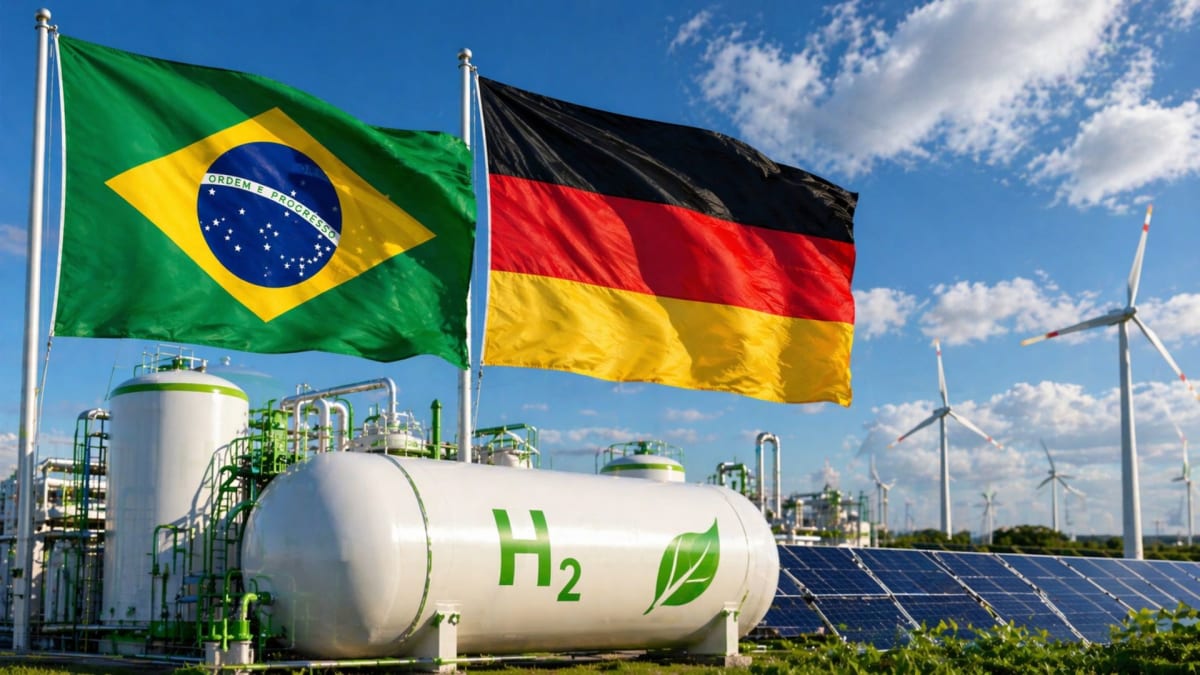
Brazil and Germany announced a $12 billion green hydrogen facility in Northeast Brazil that will create thousands of jobs while positioning the region as a global clean energy supplier. The partnership marks one of the largest renewable energy investments in Latin America.
Brazil's Northeast region is about to become a powerhouse in the global race for clean energy, thanks to a massive partnership that proves sustainable development can drive real economic growth.
Brazil and Germany revealed plans for a 2 billion euro ($12 billion) green hydrogen production complex in Rio Grande do Norte during the Hannover Messe fair. The facility will produce low-carbon fuel for both export markets and domestic use, creating one of Latin America's largest renewable energy installations.
Green hydrogen, produced by splitting water using renewable electricity, emits zero carbon during production. The fuel can power everything from cargo ships to steel plants, making it a crucial piece of the puzzle in reducing global emissions.
The project targets the Northeast specifically because the region's abundant wind and solar resources provide the renewable electricity needed for hydrogen production. This natural advantage transforms what was once seen as an economic challenge into a competitive strength on the world stage.
The partnership extends beyond just building a plant. German technology companies will work alongside Brazilian engineers, creating knowledge transfer opportunities that strengthen both nations' industrial capabilities in the growing clean energy sector.
The Ripple Effect
This investment signals a shift in how the world views Brazil's role in the energy transition. Rather than simply exporting raw materials, the country is positioning itself as a manufacturer of advanced clean fuels that developed nations need to meet their climate goals.
The economic impact reaches far beyond the factory gates. Construction alone will require thousands of workers, while permanent operations will create skilled manufacturing jobs in a region that has historically struggled with unemployment.
Local communities stand to benefit from improved infrastructure as roads, ports, and electrical grids get upgraded to support the facility. These improvements will serve residents long after construction crews leave.
The timing couldn't be better. As European nations accelerate away from fossil fuels, demand for green hydrogen is skyrocketing. Brazil's ability to produce it cheaply using renewable resources positions the country as an essential supplier in a market expected to be worth hundreds of billions annually by 2030.
Germany's involvement brings more than money. The partnership includes technical training programs, environmental monitoring systems, and sustainable development frameworks that ensure the project benefits communities without harming ecosystems.
This collaboration shows what's possible when nations combine their strengths: Brazil's renewable resources meet German engineering expertise to create something neither could achieve alone.
Based on reporting by Google News - Brazil Innovation
This story was written by BrightWire based on verified news reports.
Spread the positivity!
Share this good news with someone who needs it