Brazil Cattle Trial Cuts Methane 50% While Boosting Gains
A breakthrough feeding trial in Brazil slashed cattle methane emissions in half while making cows grow more efficiently. The results could transform beef production in the world's largest cattle market.
Scientists just proved you can raise healthier cattle while fighting climate change at the same time.
A major feeding trial in Brazil showed that a seaweed-based additive cut methane emissions from beef cattle by over 50 percent. Even better, the cows needed less feed to gain weight, making them more productive while helping the planet.
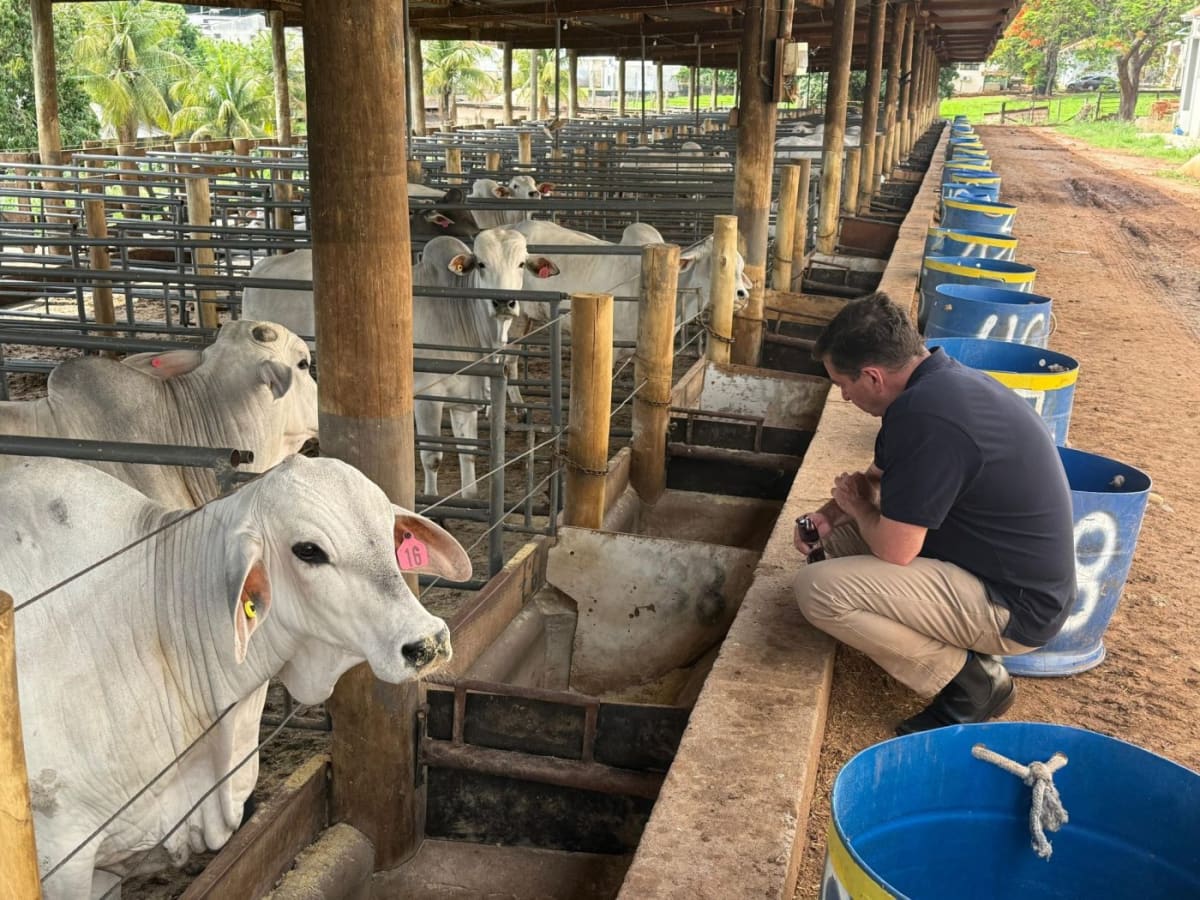
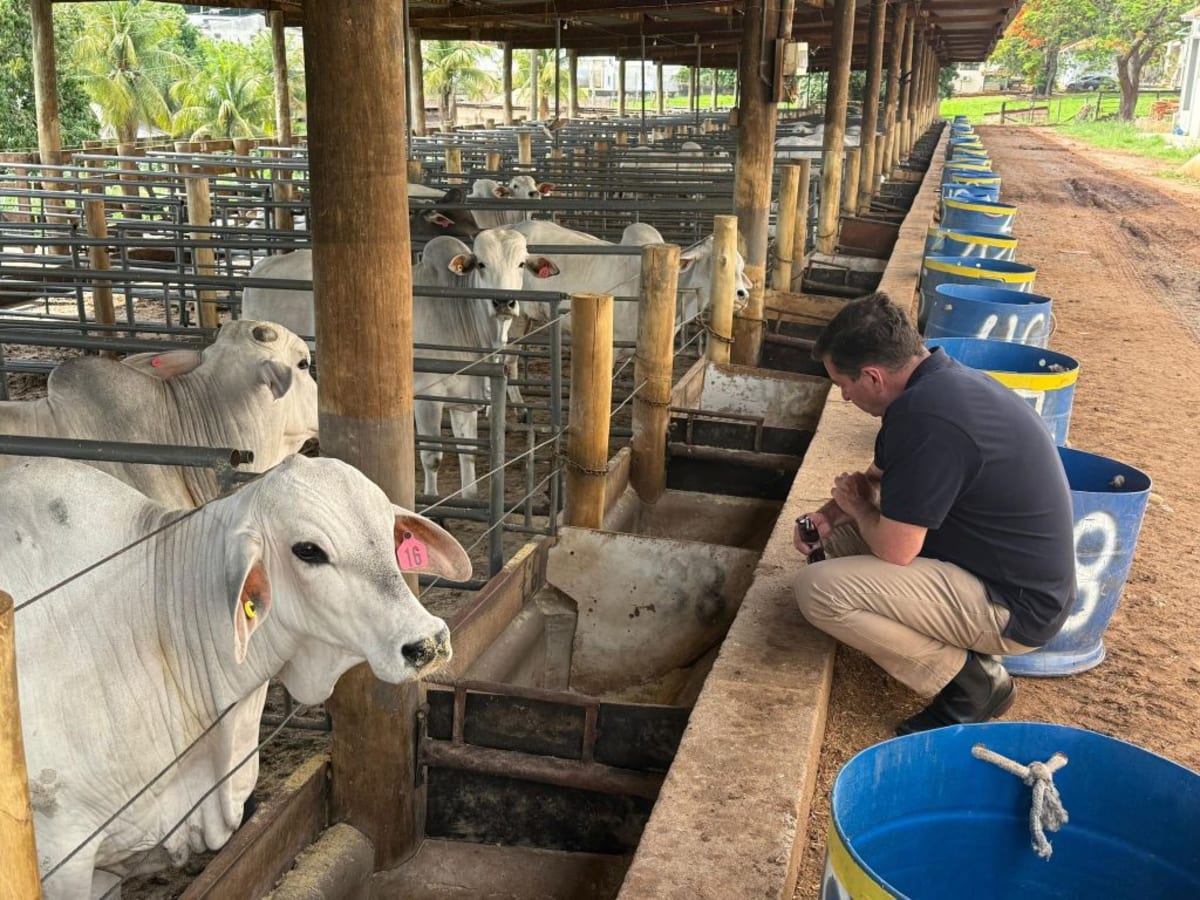
Minerva Foods, one of South America's biggest beef exporters, partnered with Australian company Rumin8 to test the feed supplement on 280 Nelore cattle over 120 days. The University of São Paulo monitored every detail to ensure the results reflected real-world conditions on Brazilian feedlots.
The numbers tell an inspiring story. Cattle eating the additive produced 50.4 percent less methane than regular cattle. They also converted feed to meat 5 percent more efficiently, meaning farmers could raise the same amount of beef with less grain.
The additive uses bromoform, the same active ingredient found in asparagopsis seaweed. When added to the cattle's daily mixed feed, it stops methane-producing bacteria in their stomachs without harming the animals. The trial saved an estimated 29.8 tonnes of carbon dioxide equivalent, roughly the same as taking six cars off the road for a year.
The Ripple Effect
This breakthrough matters beyond Brazil's borders. The country has the world's largest commercial cattle herd, and beef production generates significant greenhouse gases globally. Technologies that work at this scale could reshape agriculture worldwide.
The research team found that methane per kilogram of weight gain dropped from 77.2 grams to just 39.6 grams. Farmers could potentially earn carbon credits while raising more productive cattle, creating a win for both business and environment.
Rumin8's chief executive David Messina called the collaboration an important step toward scaling methane-reducing technology in major cattle markets. Independent certification companies are now verifying the results to ensure they meet agricultural carbon standards.
The trial used typical Brazilian feedlot conditions, with cattle eating a diet of 12 percent roughage and 88 percent concentrate based on ground corn. Researchers monitored feed intake daily and weighed animals throughout to track real productivity gains.
Minerva Foods operates 46 facilities across seven countries and employs over 30,000 people. The company says reducing methane is a strategic priority, and partnerships like this accelerate solutions that combine productivity with environmental responsibility.
Similar trials in Australia showed comparable results, suggesting the technology works across different cattle breeds and climates. As verification completes, the additive moves closer to commercial availability in Brazil and potentially other markets.
The future of sustainable beef just got a lot brighter.
More Images
Based on reporting by Google News - Emissions Reduction
This story was written by BrightWire based on verified news reports.
Spread the positivity!
Share this good news with someone who needs it