Brazil Marks Borders for Isolated Amazon Tribe After 25 Years
After a quarter century of waiting, Brazil has physically marked the borders of a million-acre Amazon territory protecting the Kawahiva, one of the world's last uncontacted Indigenous groups. The landmark move brings the isolated community one step closer to full legal protection after decades of threats from loggers and land grabbers.
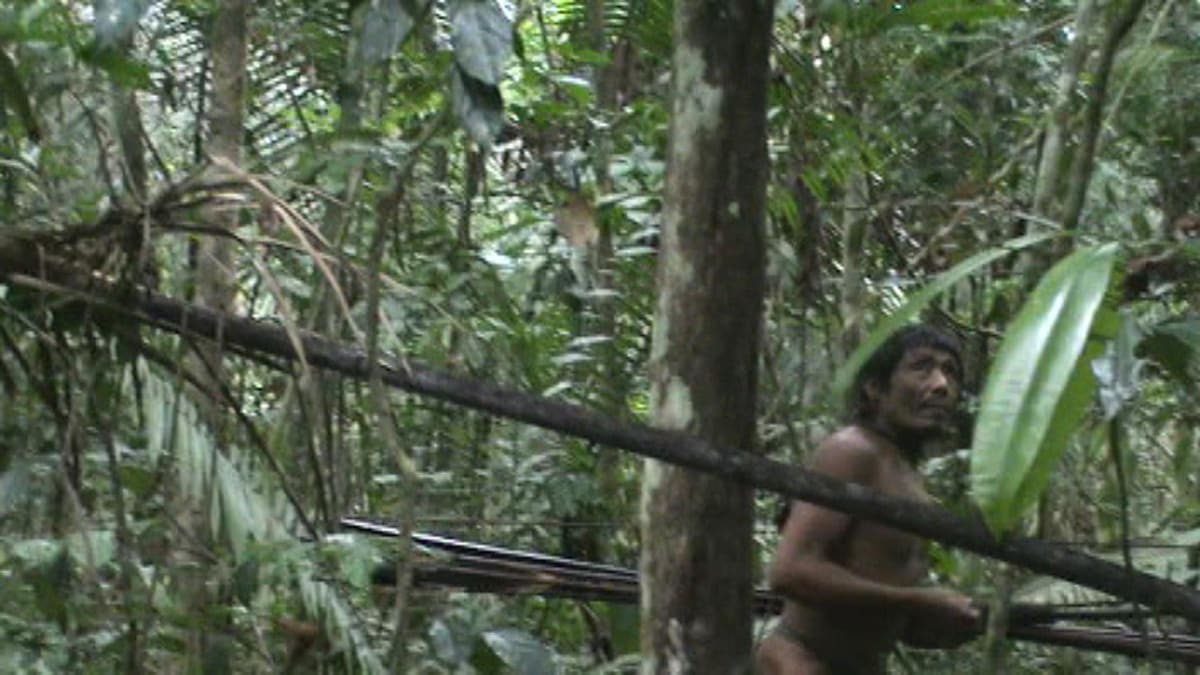
Deep in Brazil's Amazon rainforest, federal agents just completed a task 25 years in the making: physically marking the borders of a home for people who have chosen to live without contact from the outside world.
The Kawahiva, an isolated Indigenous group in Mato Grosso state, have lived in their forest home for generations. After confirming their presence in 1999, Brazil's Indigenous agency FUNAI began the long process of officially protecting their 411,000-hectare territory.
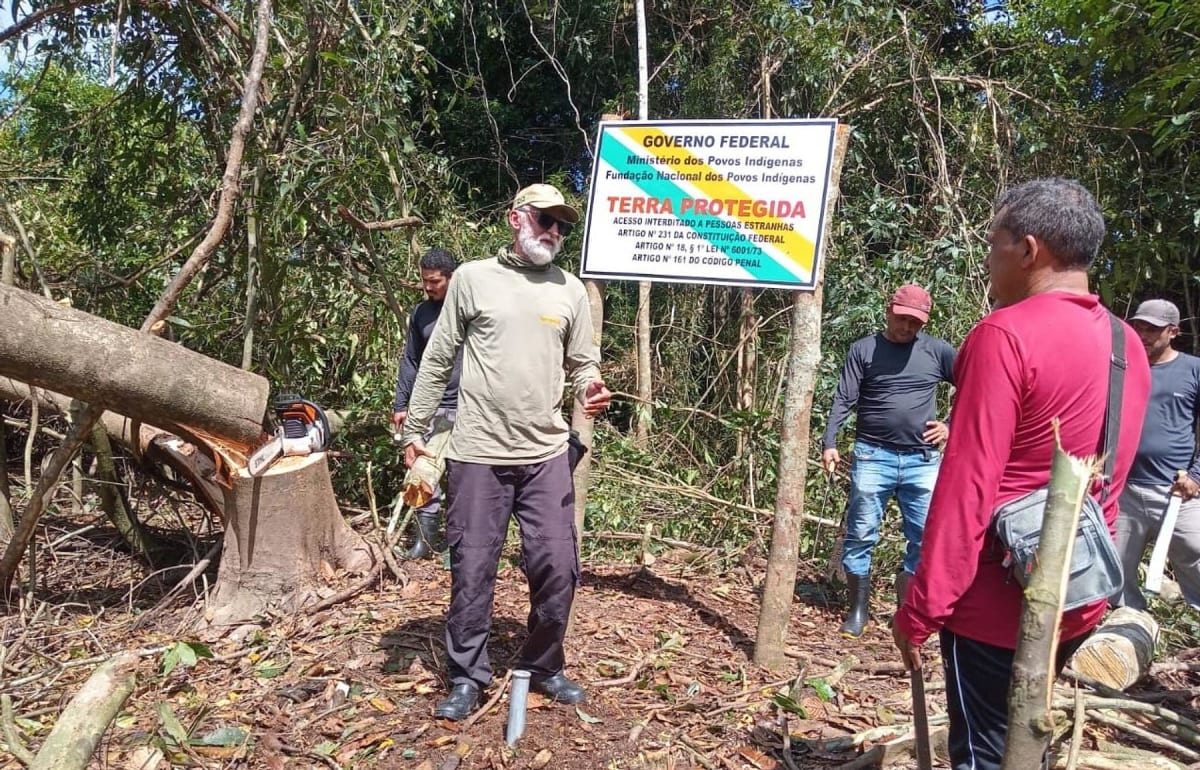
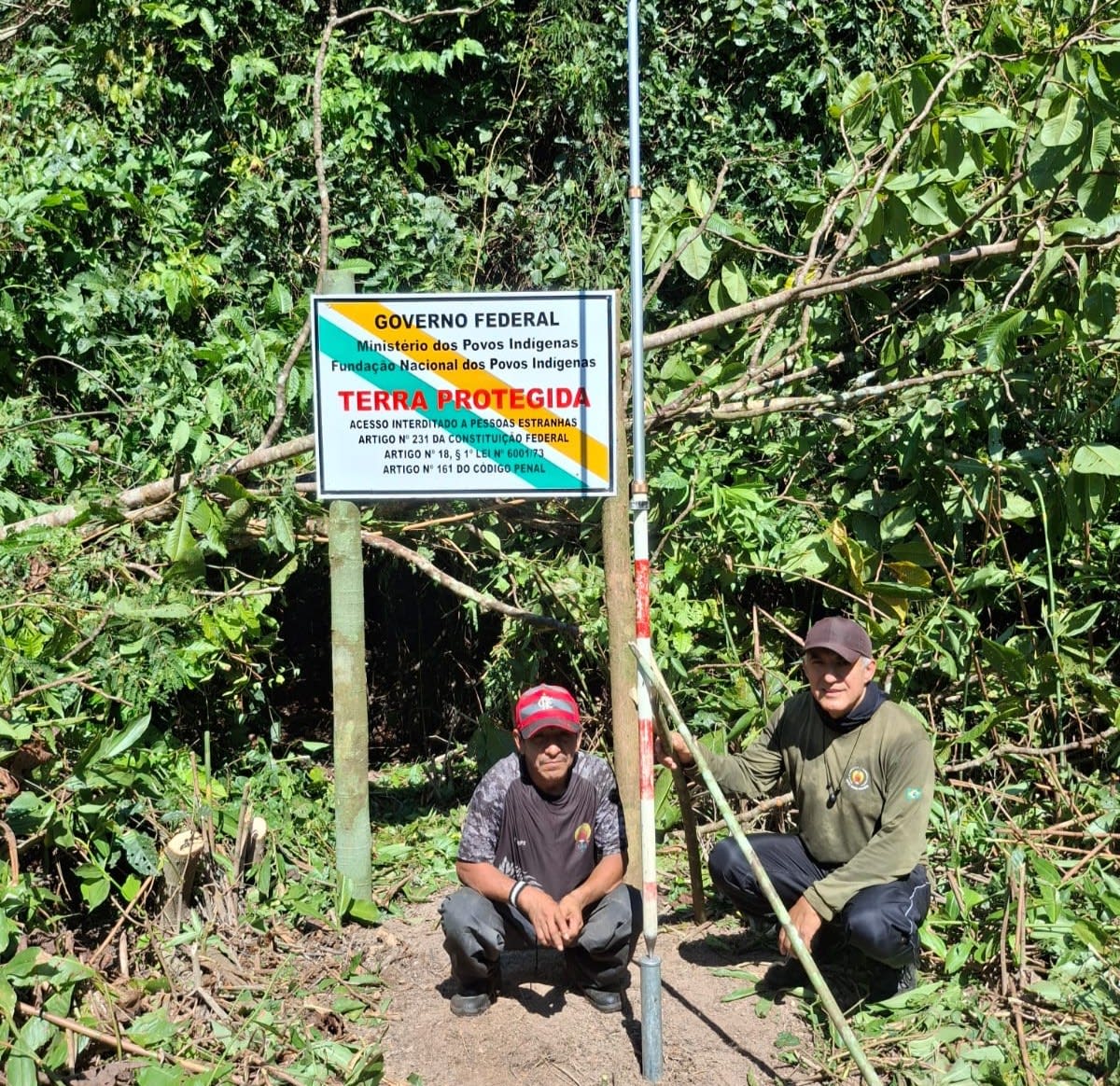
This summer, agents spent 60 days installing roughly 140 signs around the land's perimeter. The markers serve a simple but crucial purpose: letting outsiders know this forest belongs to someone who needs it to survive.
"Here in our region, all owners of plots of land do this," explained Jair Candor, coordinator of the FUNAI unit protecting the Kawahiva. "The limits of land are marked by opening a path around that territory, whether it belongs to the white man or to an Indigenous person."
The physical markers matter more than you might think. When agents confronted a farmer who cleared several acres of Kawahiva land in 2023, he pointed out there were no visible boundaries identifying the Indigenous territory. Now there are.
For decades, the Kawahiva faced constant threats while temporary protection orders expired and renewed in cycles. Logging companies opposed the demarcation, and invasions threatened the forest that provides the community with game, fish, honey, and everything else they need.
The Ripple Effect
The border marking represents the second-to-last step toward full legal recognition. Only President Luiz Inácio Lula da Silva's signature remains to make the territory official, though his administration is waiting on Supreme Court decisions regarding Indigenous land claims before proceeding.
Beyond this one territory, the successful demarcation sets a precedent for protecting other uncontacted groups throughout the Amazon. When Indigenous lands receive clear boundaries and enforcement, it also protects millions of acres of rainforest that benefit the entire planet's climate.
Monitoring expeditions show the Kawahiva forest remains healthy and abundant enough to sustain the community. Without invasions, they can continue living exactly as they choose.
"They are also human and just need a place where they can live in peace, like everyone else," Candor said. After 25 years of bureaucracy and struggle, that peace finally has visible borders.
More Images

Based on reporting by Mongabay
This story was written by BrightWire based on verified news reports.
Spread the positivity!
Share this good news with someone who needs it