Brazil Opens First Rehab Center for Endangered Tamarins
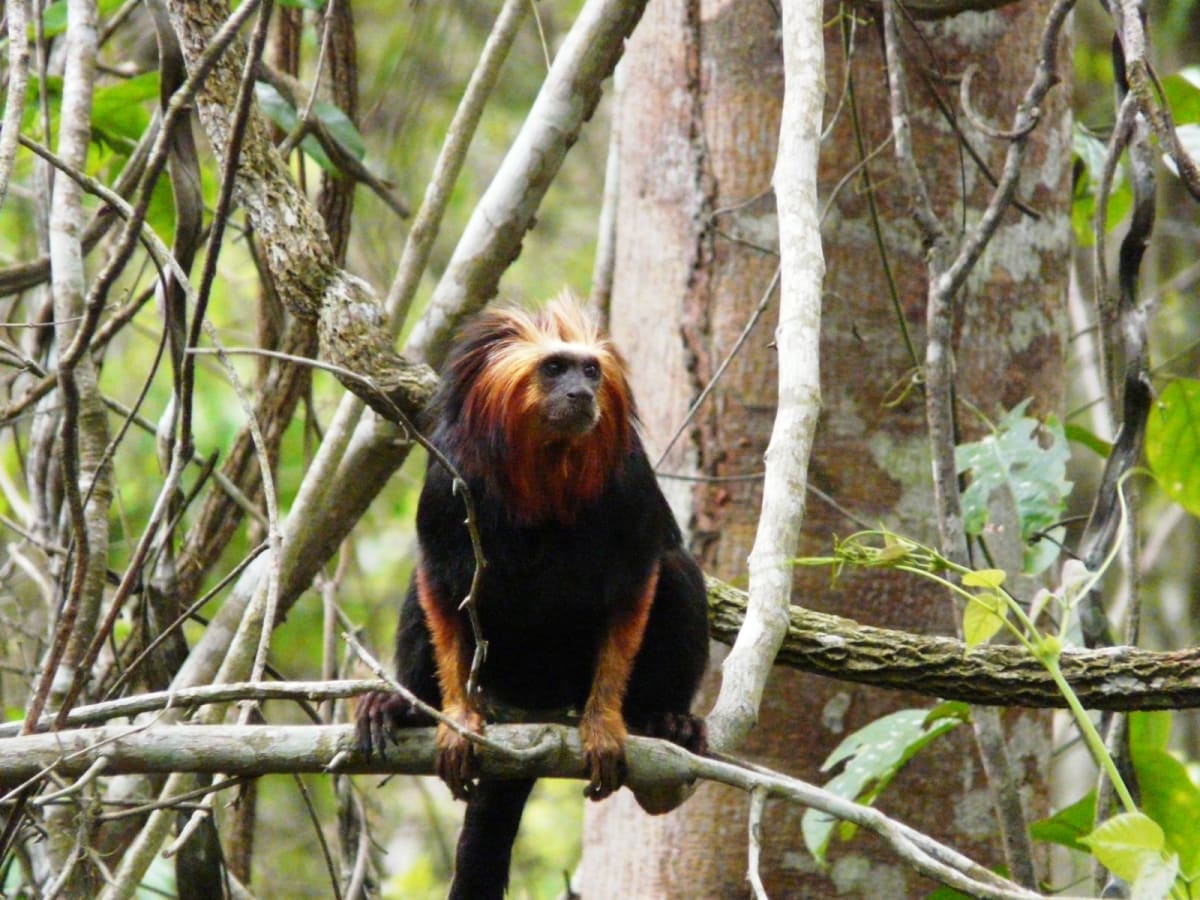
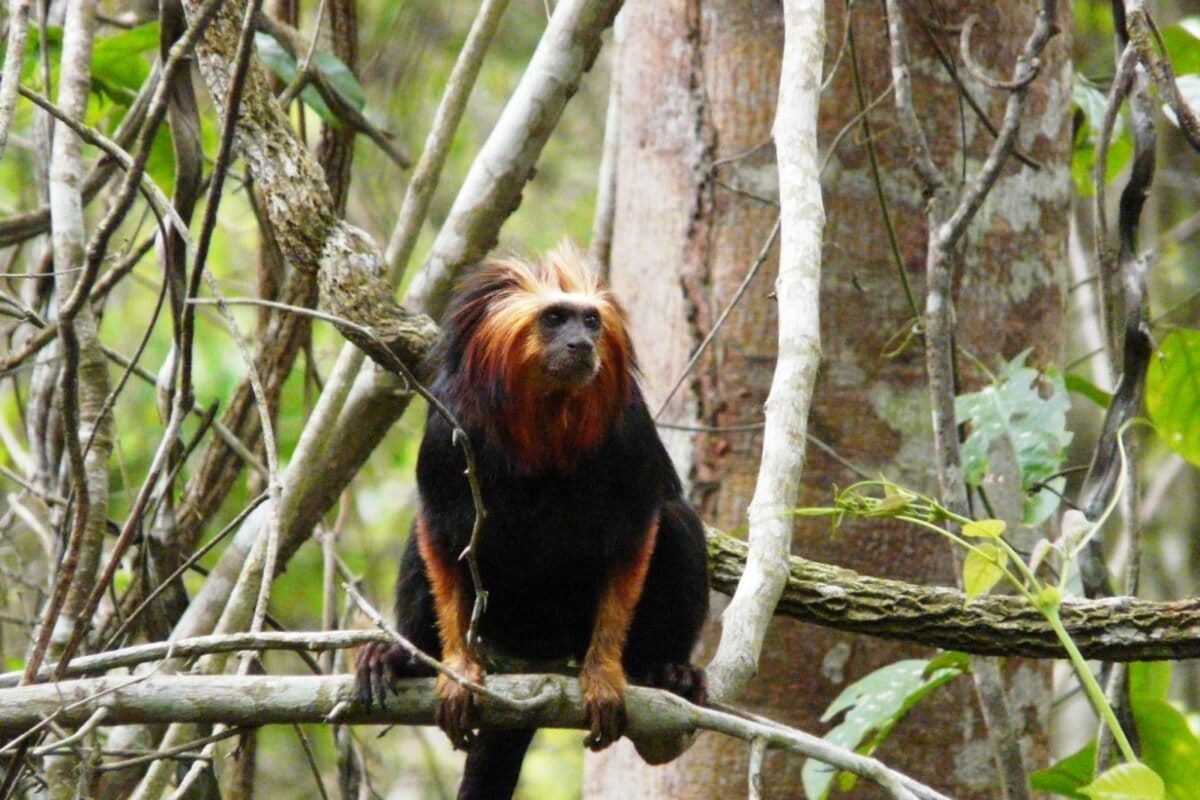
Brazil just opened its first rehabilitation center dedicated to saving golden-headed lion tamarins, tiny endangered monkeys being squeezed out by urban sprawl. The new facility will rescue injured animals and prepare them for safer lives away from power lines, traffic, and expanding cities.
Tiny golden monkeys with fiery manes are getting a lifeline in Brazil, where the country's first rehabilitation center for endangered golden-headed lion tamarins opened this March at the State University of Santa Cruz.
These pint-sized primates have been spotted doing the unthinkable: scampering through supermarkets and racing across high-voltage power lines in Ilhéus, a coastal city in Bahia state. Many have died from electrocution, car strikes, and dog attacks.
"Often, for the general public seeing these monkeys in their backyard or at the market gives them the false impression that everything is fine," says Leonardo Oliveira, a biologist who has studied the species for over 20 years. "No. The city is the one moving into their space."
The tamarins aren't invading cities. Cities are invading them.
Golden-headed lion tamarins live nowhere else on Earth except Brazil. Over the past 30 years, their territory has shrunk by 42%, and their population has plummeted nearly 60% to fewer than 24,401 individuals today.
The culprits? Urban expansion and the conversion of agroforestry cacao farms into soy monocultures and cattle pastures. These cacao farms, where the crop grows beneath native tree canopies, make up a large part of the tamarins' habitat. Ironically, cacao is one of their favorite foods.
The Ripple Effect
The rehabilitation center can currently house up to three groups of tamarins, with plans to expand to eight groups. Injured and displaced animals will receive veterinary care before being relocated to safer areas away from urban threats.
In 2024, Ilhéus adopted the golden-headed lion tamarin as its official mascot and dedicated March 26 to celebrating the species. The date coincides with Brazil's national cacao day, honoring the deep connection between the monkeys and the cacao trees they depend on.
The timing matters. By highlighting this symbiotic relationship, local officials are showing that protecting tamarins means protecting the agroforestry systems that sustain both wildlife and local economies.
Until now, there was nowhere specialized to take rescued tamarins. Now there is, giving these golden survivors a fighting chance at recovery and return to the wild where they belong.
More Images


Based on reporting by Mongabay
This story was written by BrightWire based on verified news reports.
Spread the positivity!
Share this good news with someone who needs it