Brazil Port Plants 1,000 Trees, Wins Top Green Award
A major Brazilian port just earned the country's highest sustainability honor for planting 1,000 native trees to protect its water supply. Students, volunteers, and scientists joined forces to restore a critical watershed on World Water Day.
When the Port of Suape in northeastern Brazil needed to protect its water sources, it turned to nature for help and invited the next generation to join in.
In March 2025, the bustling port complex planted 1,000 seedlings of native Atlantic Forest trees in a vital groundwater recharge area. The effort just earned Suape the Ministry of Ports and Airports' Diamond level Sustainability Seal, the highest environmental recognition a Brazilian port can receive.
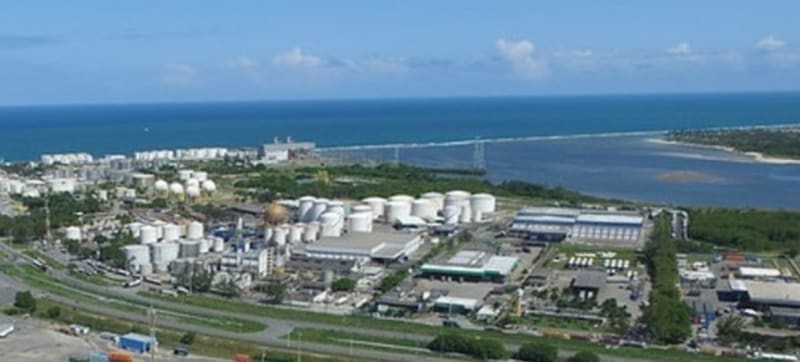
The project focused on protecting natural springs and riverside forests that prevent sediment from clogging rivers and keep water clean for both the port and nearby communities. The massive port complex spans over 13,000 hectares along Pernambuco's southern coast, roughly the size of an entire city.
Local students from Ipojuca's public schools worked alongside port volunteers and environmental technicians to plant the trees. They chose species native to the Atlantic Forest, including brazilwood, ipê, cajá, pitanga, genipap, cupiúba, and ingá trees that enrich soil and produce fruit for local wildlife.
"The Port of Suape shows a strong commitment to the environment and to neighboring communities by promoting an exemplary reforestation initiative combined with environmental education for local youth," said Ports and Airports Minister Silvio Costa Filho. The campaign deliberately coincided with World Water Day to highlight the connection between forests and clean water.
Every seedling came from Suape's own Forest Nursery, which cultivates more than 80 native Atlantic Forest species. Environmental development coordinator Mirella Moraes explained that the nursery represents years of ongoing conservation work at the port.
The Ripple Effect
The reforestation project does more than restore degraded land. It creates a living classroom where young students learn how forests protect the water their communities depend on.
The trees will help filter groundwater, prevent erosion, and provide habitat for wildlife while teaching the next generation about environmental stewardship. Nearly 60% of Suape's territory already serves as an Ecological Preservation Zone, showing that economic development and conservation can work hand in hand.
One thousand trees today means cleaner water and richer biodiversity for decades to come.
Based on reporting by Google News - Reforestation
This story was written by BrightWire based on verified news reports.
Spread the positivity!
Share this good news with someone who needs it