Brazil Ratifies Historic EU Trade Deal Amid Trump Tariffs
Brazil just approved a massive free trade agreement with the European Union, creating one of the world's largest trade zones with 700 million consumers. The deal, 25 years in the making, got new life as countries seek alternatives to uncertain US trade policy.
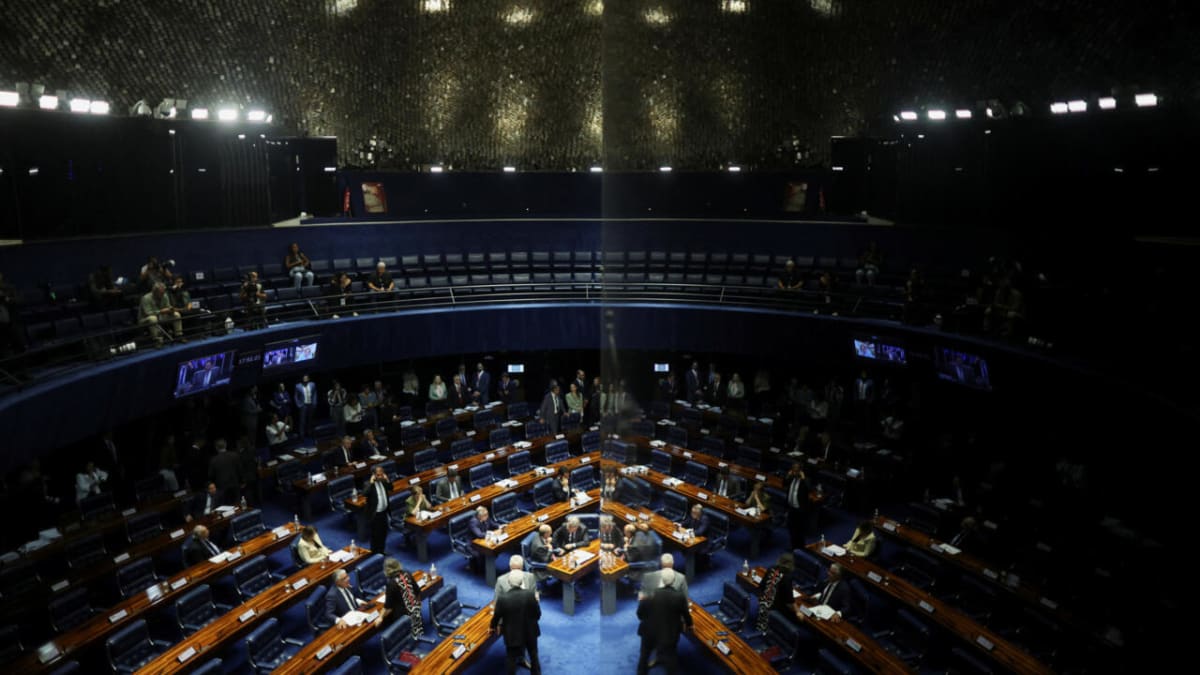
After a quarter century of negotiations, Brazil's Senate just voted to unlock one of the biggest trade partnerships the world has ever seen.
The South American giant ratified a landmark deal between the Mercosur trade bloc and the European Union on Wednesday. Together, the partnership covers 30 percent of global GDP and connects more than 700 million people across two continents.
Brazil joins Argentina and Uruguay in approving the agreement, with Paraguay's parliament still reviewing it. The timing couldn't be more significant as President Trump's sweeping tariff threats have sent countries racing to forge new economic alliances.
The deal eliminates tariffs on over 90 percent of trade between the regions. Brazilian coffee, beef, soybeans, and honey will flow more easily into Europe, while European cars, wine, and machinery gain smoother access to South American markets.
Brazil, already the world's top producer of coffee, meat, and soybeans, championed the agreement from the start. Senator Tereza Cristina captured the moment perfectly during the Senate debate: "The world today is more fragmented, more skeptical, and more protectionist. This makes the agreement with our European partners even more relevant and even more necessary."
Spain and Germany have thrown their support behind the pact, seeing major opportunities for their industries. The European Commission began provisional implementation last week, though France has raised concerns about protecting its farmers from competition.
The Ripple Effect
This agreement shows how uncertainty can spark positive action. Trump's unpredictable trade policies pushed nations that might have delayed for years to finally seal the deal.
The partnership creates stability for hundreds of millions of workers, farmers, and businesses on both sides of the Atlantic. European manufacturers gain access to South America's growing middle class, while Brazilian producers reach one of the world's wealthiest consumer markets.
Beyond economics, the deal signals something bigger: countries choosing cooperation over isolation. In an era of trade wars and economic nationalism, two regions decided to build bridges instead of walls.
After 25 years of starts and stops, the finish line proves that patient diplomacy still works, even when the world seems to be pulling apart.
More Images
Based on reporting by France 24 English
This story was written by BrightWire based on verified news reports.
Spread the positivity!
Share this good news with someone who needs it