Brazil Secures New Protections for Endangered National Tree
Brazil's critically endangered Brazilwood tree just won stronger international trade protections after diplomatic negotiations at a global wildlife summit. The compromise keeps regulated trade alive while banning harvest of wild trees.
Brazil just scored a conservation win for the tree that gave the country its name, even if it wasn't the total victory environmentalists hoped for.
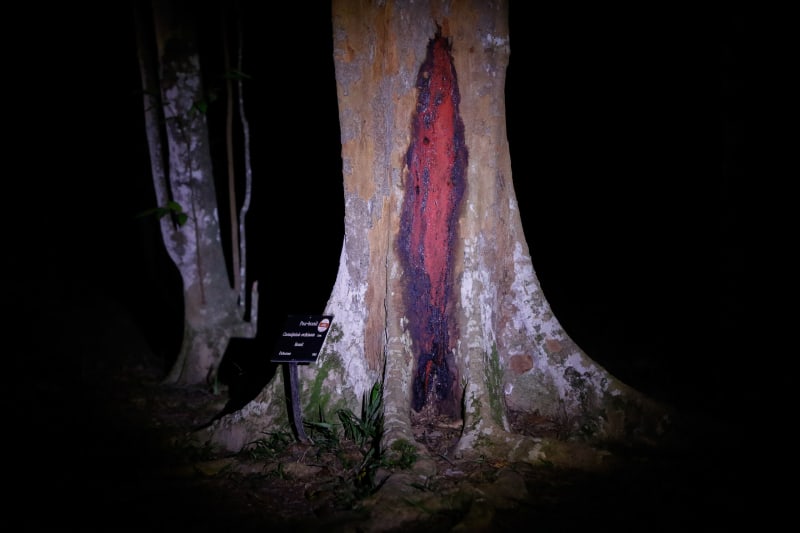
At the November 2024 global wildlife trade summit in Uzbekistan, Brazil secured new protections for the Brazilwood tree. The species has lost 84% of its population over three generations, with only 10,000 adult trees remaining in Brazil's Atlantic Forest.
The beautiful hardwood has been in demand for centuries. European colonizers first harvested it for red fabric dye. Today, the global music industry prizes it for violin bows that can sell for more than $8,200 each.
Brazil initially pushed for the strongest protections possible, seeking to ban all international commercial trade of the endangered species. Countries like Argentina, Russia, India and China supported the proposal.
But after discussions with European nations and other parties, Brazil agreed to a compromise. The tree stays in a category that allows some regulated trade, but with one crucial addition: a zero quota on wild harvested specimens.
The Bright Side
This outcome protects wild Brazilwood trees while still allowing the music industry to use wood from sustainable cultivation programs. It's a balance between conservation and cultural needs that both sides can work with.
The International Pernambuco Conservation Initiative, which represents bow makers worldwide, has invested in planting programs throughout Brazil. These cultivation efforts can continue supplying the music industry without threatening wild populations.
Brazil upgraded the species from endangered to critically endangered in 2024, recognizing the urgent need for action. The new international trade rules add another layer of protection to help the iconic tree recover.
The compromise shows how countries can find middle ground on conservation challenges. Wild Brazilwood trees now have breathing room to grow, while musicians can still access sustainably sourced material for their craft.
Brazil's national symbol is getting the protection it needs to survive for future generations.
More Images


Based on reporting by Mongabay
This story was written by BrightWire based on verified news reports.
Spread the positivity!
Share this good news with someone who needs it