Brazil Turns Fish Waste into Protein Supplements
A Brazilian researcher transformed tilapia waste into nutritious protein supplements, turning trash into treasure. The innovation could revolutionize aquaculture sustainability while creating new income streams for fish farmers. #
Every year, Brazilian fish markets throw away tons of perfectly good nutrition hiding in the parts nobody wants to buy.
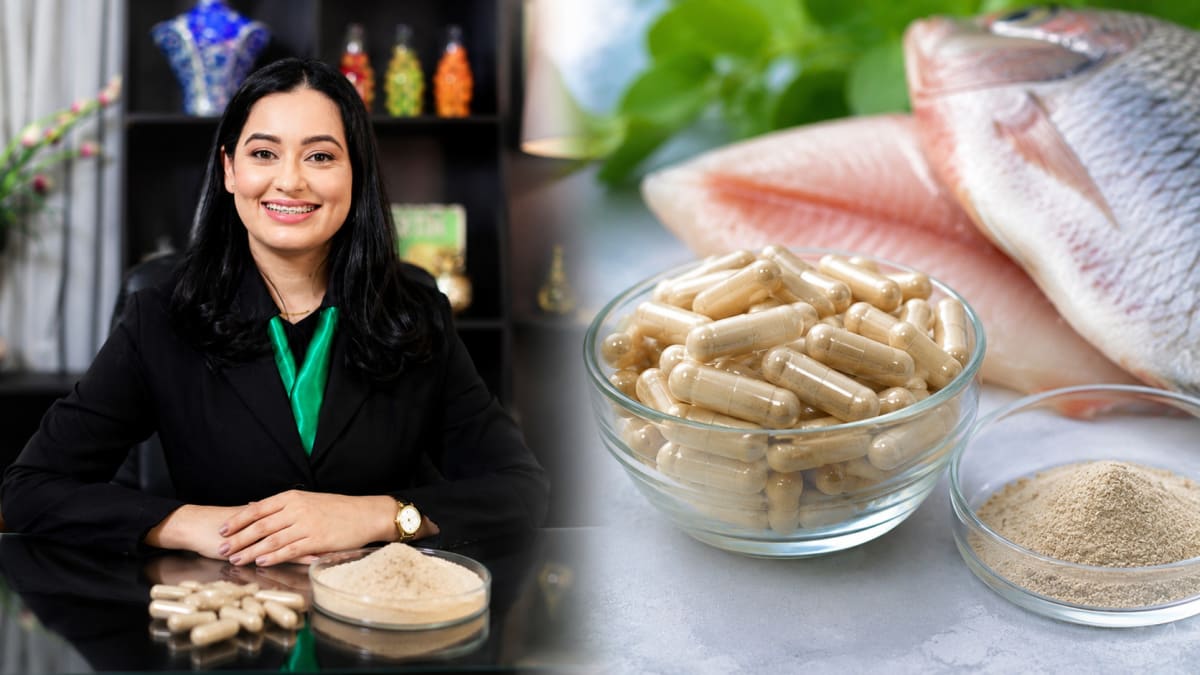
Nutritionist Nagylla Maria Alves Canuto at the Federal University of Piauí saw something different when she looked at discarded tilapia heads, bones, and skin. She saw protein, omega-3 fatty acids, and an opportunity to feed people while fighting waste.
Canuto spent months developing a process to transform fish filleting scraps into encapsulated protein supplements. The parts that usually end up in landfills are now nutrient-rich capsules that rival commercial protein powders.
The timing couldn't be better. Tilapia ranks as one of Brazil's most popular fish, but consumers overwhelmingly prefer boneless fillets. Processing plants discard up to 60% of each fish during filleting, creating mountains of waste that still contains valuable nutrients.
Her research proved these "waste" materials pack serious nutritional value. The supplements contain high-quality protein, essential amino acids, and healthy fats that our bodies need but many diets lack.
The innovation tackles multiple problems at once. Fish processors can now sell what they once paid to dispose of, creating a new revenue stream. Consumers get affordable, sustainable protein supplements. The environment benefits from dramatically reduced organic waste.
The Ripple Effect
This breakthrough could reshape Brazil's entire aquaculture industry. Fish farmers and processors now have financial incentive to capture every usable part of their harvest instead of discarding it.
The model works for small operations too, not just industrial processors. Local fish markets could partner with supplement manufacturers, keeping money in their communities while reducing their environmental footprint.
Other countries are watching closely. Aquaculture operations worldwide face similar waste challenges, and Canuto's method offers a scalable solution that works across different fish species and market sizes.
The research also opens doors for similar innovations with other food industry waste streams. If fish scraps can become supplements, what else are we throwing away that could nourish people?
Brazil's aquaculture sector produces over 800,000 tons of tilapia annually. Even capturing a fraction of that waste could produce millions of servings of affordable, sustainable protein for communities that need it most.
One researcher's curiosity about fish scraps is now creating pathways to feed more people while protecting the planet.
#
Based on reporting by Google News - Brazil Innovation
This story was written by BrightWire based on verified news reports.
Spread the positivity!
Share this good news with someone who needs it