Brazilian City Grants Legal Rights to Ocean Waves
A Brazilian city just made history by granting legal personhood to ocean waves, giving them the right to exist, regenerate, and stay clean. It's the first time any government has recognized part of the ocean as having its own legal rights.
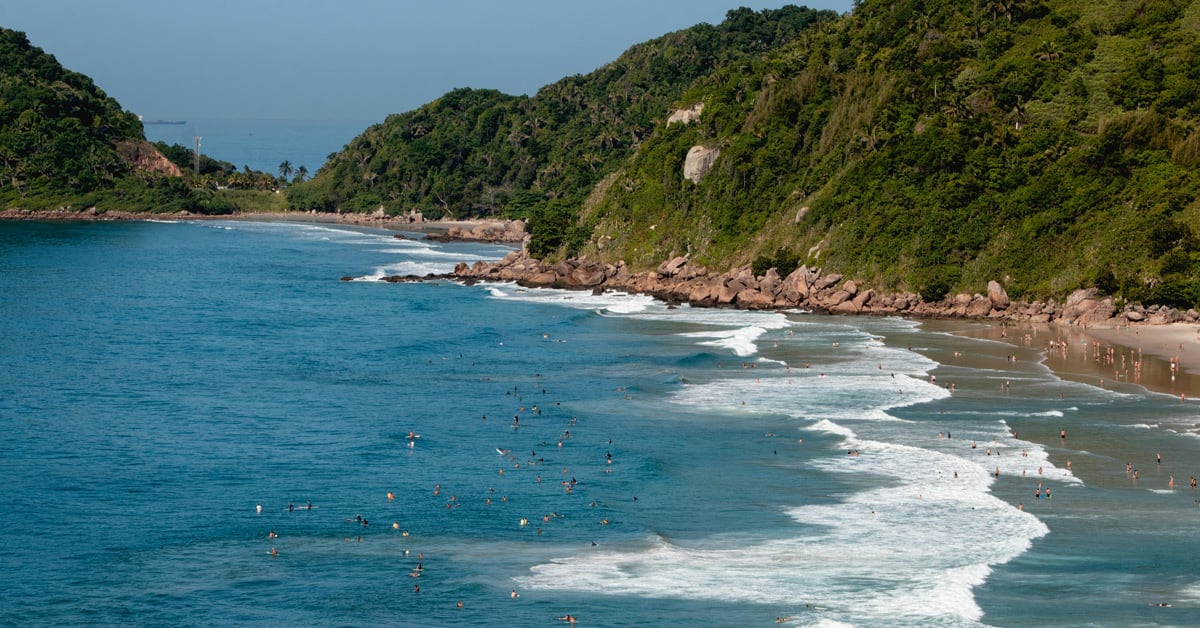
When waves crash along Brazil's Atlantic coast, they now carry something unprecedented: legal rights of their own.
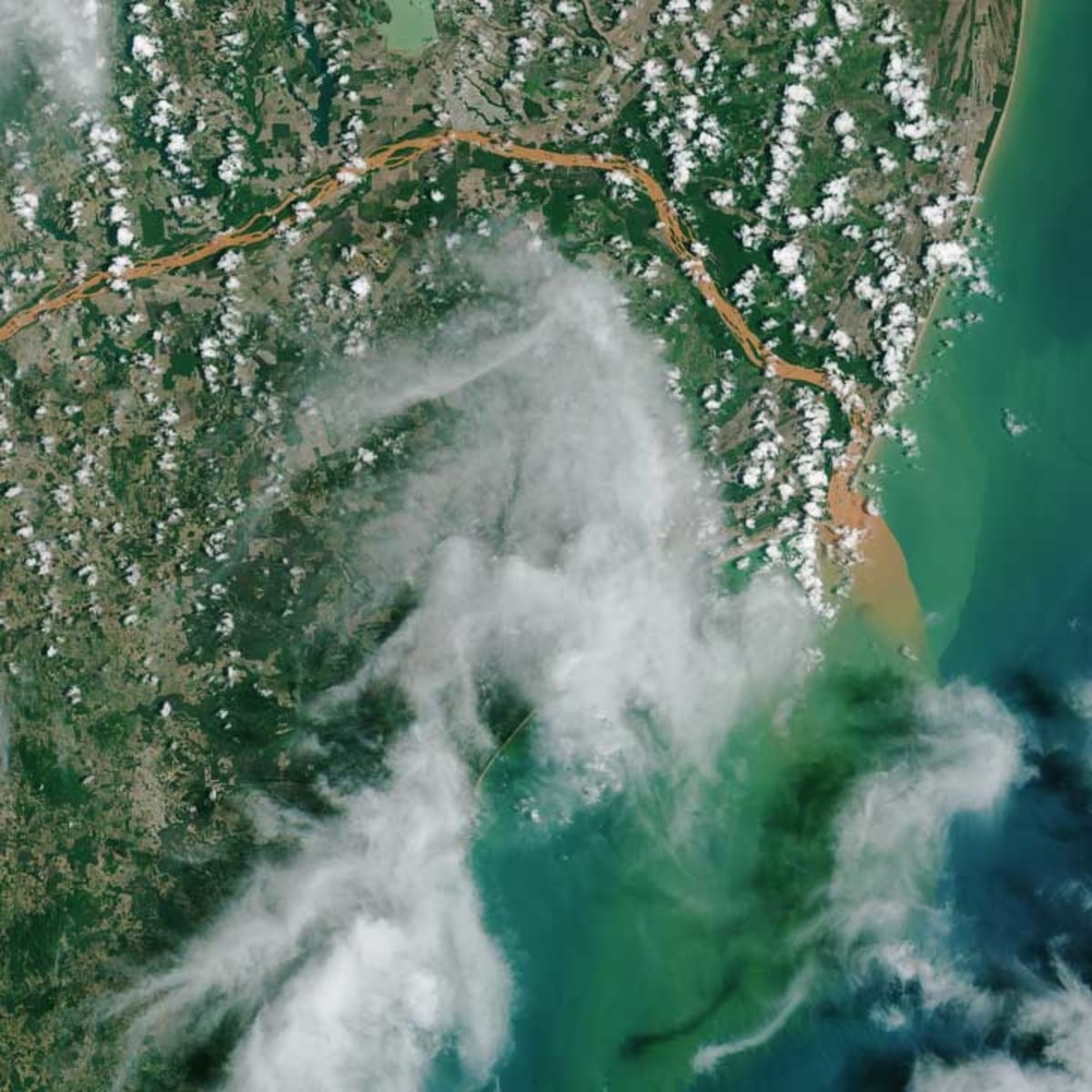
In September 2024, the city of Linhares became the first government anywhere to grant legal personhood to part of the ocean. The waves at the mouth of the Doce River now have "the intrinsic right to existence, regeneration, and restoration."
This groundbreaking decision stems from tragedy. In 2015, the Fundão dam collapsed, sending toxic iron mine waste flooding into the Doce River. The disaster contaminated drinking water for over 1 million people across 35 cities, wiped out entire fish populations, destroyed native vegetation, killed countless animals, and flattened nearly 600 homes.
The toxic sludge also built up at the river's mouth, weakening the very waves that define the region. Only when floods cleared the buildup in 2022 did restoration become possible.
Now, Linhares must protect the river's physical shape and the ecological cycles that create its unique waves. Public policies and funding must safeguard the water's delicate chemical balance.
Surfer and anthropologist Hauley Silva Valim helped architect the new law. "The wave brings to us this kind of request for listening, to listen to the language of nature," he explained. For him, protecting the waves represents both practical policy and spiritual connection, rooted in "a philosophy of regeneration, a principle of liberation."
The decision also protects local livelihoods. The Doce River supports an active surf and tourism scene, meaning healthy waves translate to economic health for the community.
The Ripple Effect
This might be the first ocean protection law of its kind, but it's part of a growing movement across Latin America. Ecuador became the first country to recognize nature's rights in its national constitution back in 2008. Colombia has since granted legal rights to rivers, a lake, and a national park.
Environmental lawyer Vanessa Hasson, who leads the Brazilian NGO Mapas, sees the law as a catalyst for change. Its main goal is shifting how people think about water quality and resource extraction. "When you recognize a little bit of space of the ocean, like these waves," Hasson said, "you are reaching the whole ocean."
What happens in Linhares could reshape how the world protects its waters.
More Images

Based on reporting by Good Good Good
This story was written by BrightWire based on verified news reports.
Spread the positivity!
Share this good news with someone who needs it