Brazilian Editor Exposes Amazon Carbon Credit Scam
A veteran journalist is using investigative reporting to uncover environmental crimes in Brazil's rainforests, proving that good journalism can still make criminals face justice. His latest exposé led to arrests and asset seizures in a major carbon credit fraud scheme.
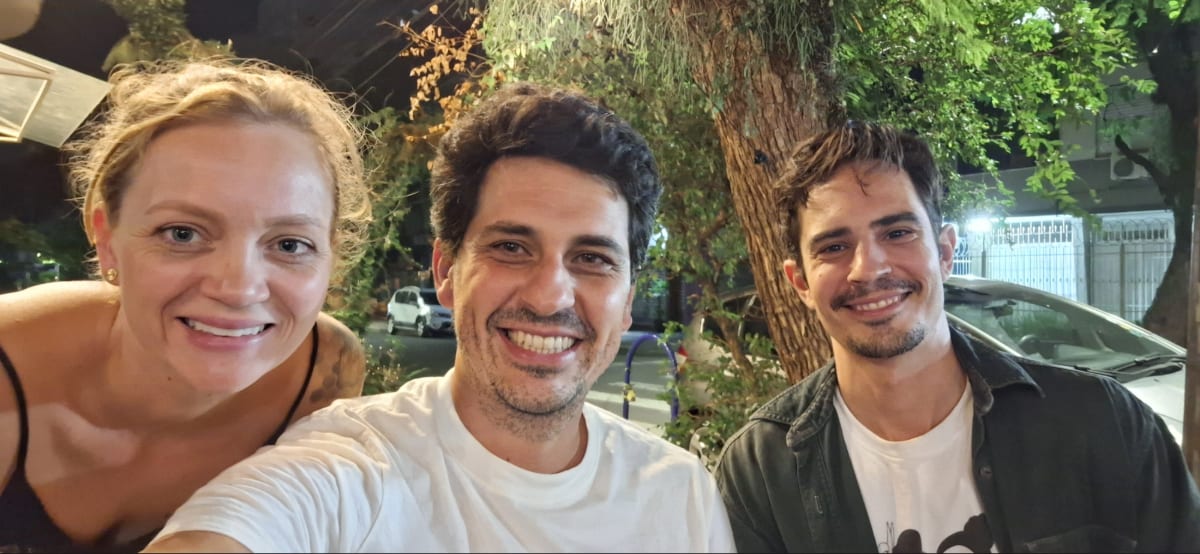
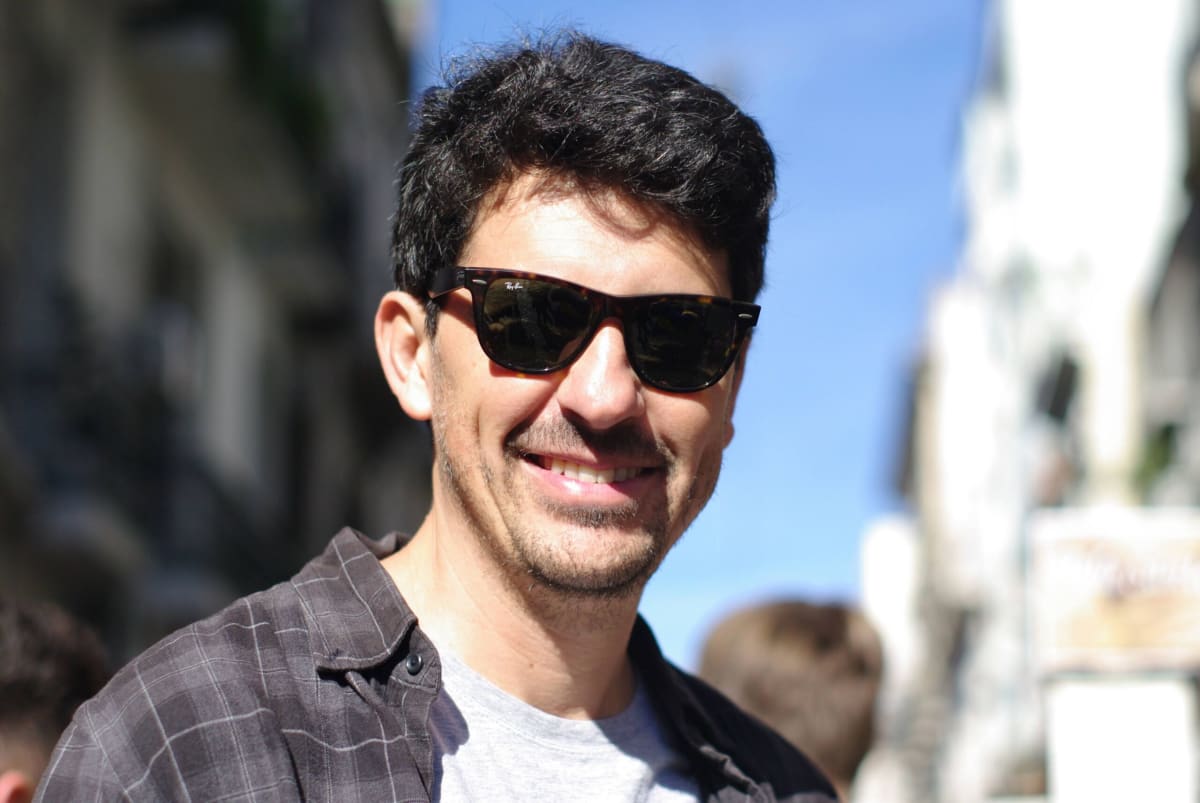
Alexandre de Santi spent over 20 years chasing environmental stories, but his 2024 investigation into Brazil's carbon market delivered something rare: actual accountability.
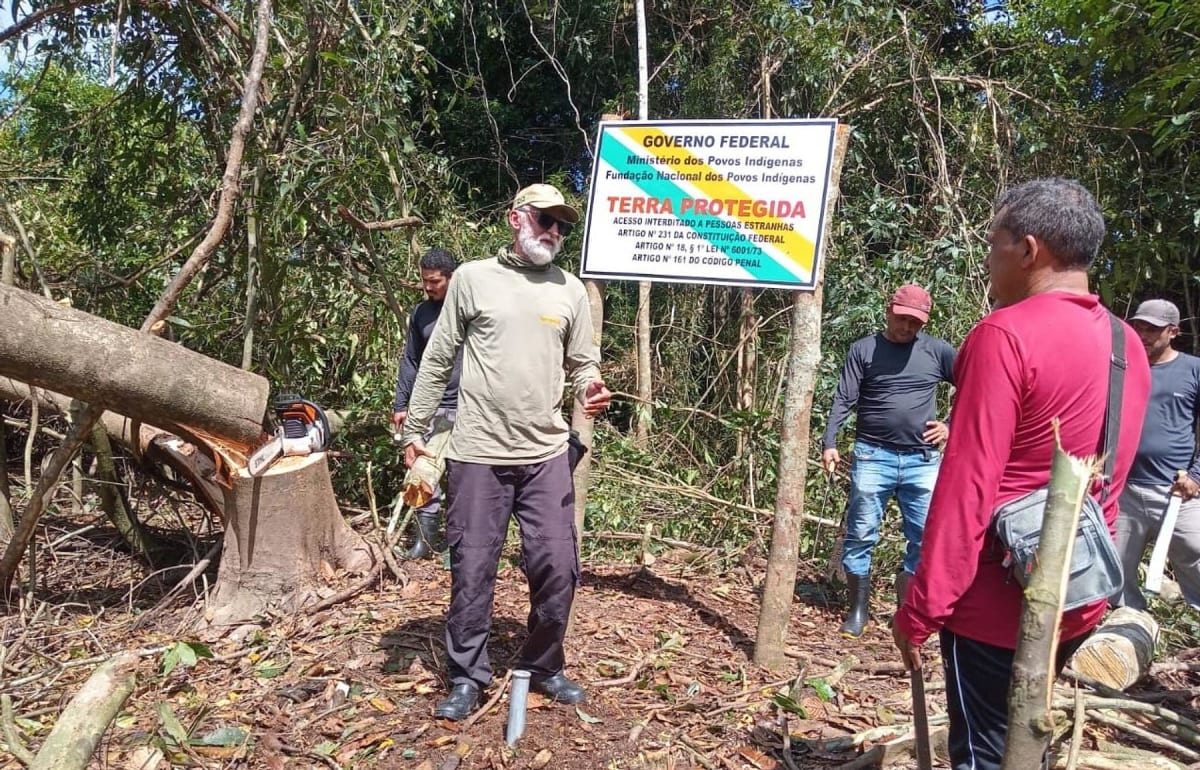
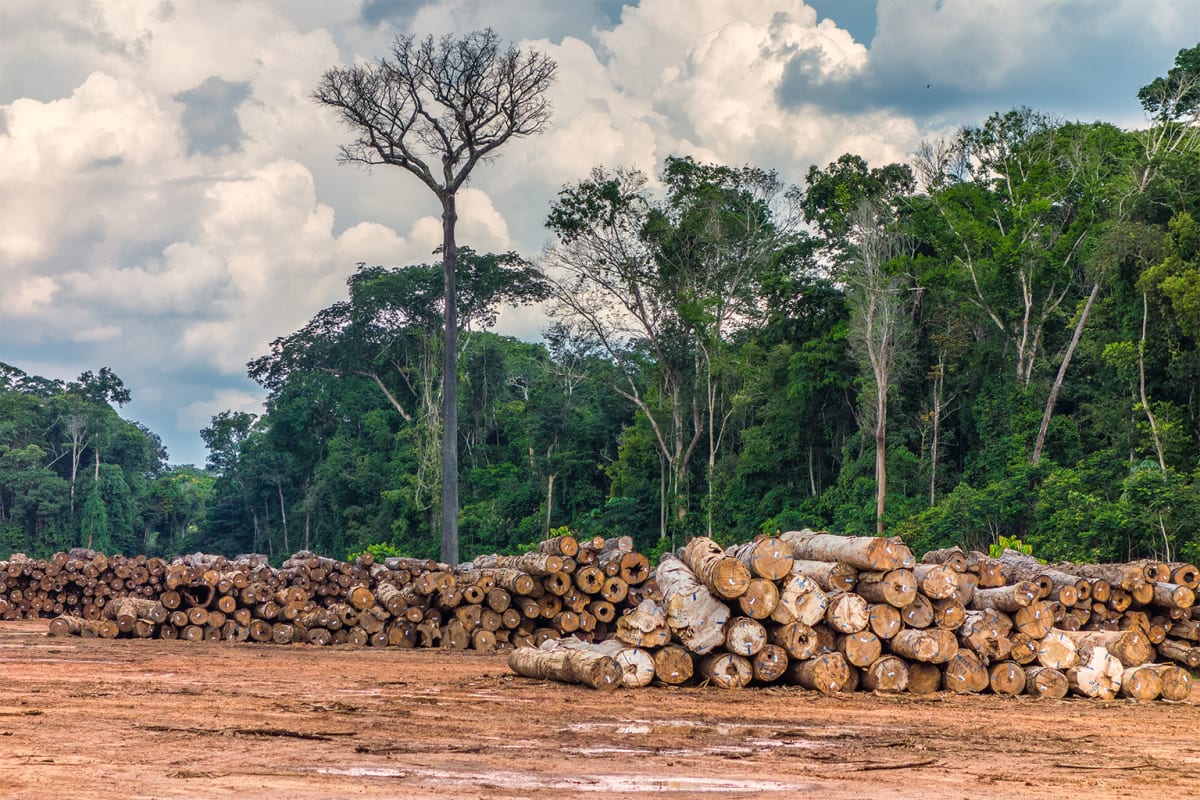
The Mongabay Brazil managing editor helped expose a timber laundering operation hiding behind legitimate carbon credits. His team revealed how criminals were using environmental protection schemes as cover for illegal logging in the Amazon.
The investigation sparked immediate action. Authorities arrested the main suspect and seized assets connected to the fraud, dismantling a scam that was profiting from the destruction it claimed to prevent.
Santi didn't start his career focused on forests. He founded an investigative studio, helped launch a nonprofit newsroom, and served as deputy editor at The Intercept Brazil, where he worked on major political investigations.
But living in Brazilian cities built where Atlantic Forest once thrived changed his perspective. Only 24% of that forest remains today, replaced by concrete and sprawl.
"The forest is always trying to regain its space in the urban concrete," Santi says. Watching nature fight back in his own backyard showed him what Brazil stands to lose in the Amazon.
He sees Indigenous communities as holding answers that modern Brazil ignores. They've coexisted with forests for thousands of years while European colonization brought a development model that treats nature as an obstacle.
Why This Inspires
Santi represents a new generation of environmental journalists who don't just report on destruction. They investigate the systems enabling it and hold wrongdoers accountable.
His collaborative approach brings reporters together for months-long investigations that reveal what others miss. Working alongside colleagues like Fernanda Wenzel, he develops stories that create real-world impact beyond headlines.
He guides his work with a simple question: "Am I delighted or inspired by reading this?" That reader-first mindset helps cut through jargon and complexity to reach people who need to understand what's at stake.
With two children of his own, Santi calls climate collapse "the greatest challenge of my generation." But he sees reasons for hope in Brazil's potential to choose a different path forward.
When he's not editing stories or watching Atlantic Forest reclaim city streets, the amateur guitarist performs at clubs in his home state. He brings that same rhythm to his journalism: patient, collaborative, building toward something larger than any single note.
His message to aspiring environmental reporters is simple: stay human, stay curious, and never lose sight of why the story matters to real people living real lives.
Brazil's forests are fighting for their survival, and journalists like Santi are making sure the world watches.
More Images


Based on reporting by Mongabay
This story was written by BrightWire based on verified news reports.
Spread the positivity!
Share this good news with someone who needs it