Brazilian Scientists Find Shield Protecting Cancer Cells
Researchers in Brazil discovered a molecule that acts like armor for cancer cells, protecting them from natural cell death. By turning off this shield in the lab, they made aggressive tumor cells vulnerable again.
Scientists at Brazil's Federal University of São Paulo just identified a molecular switch that could help stop cancer before it spreads.
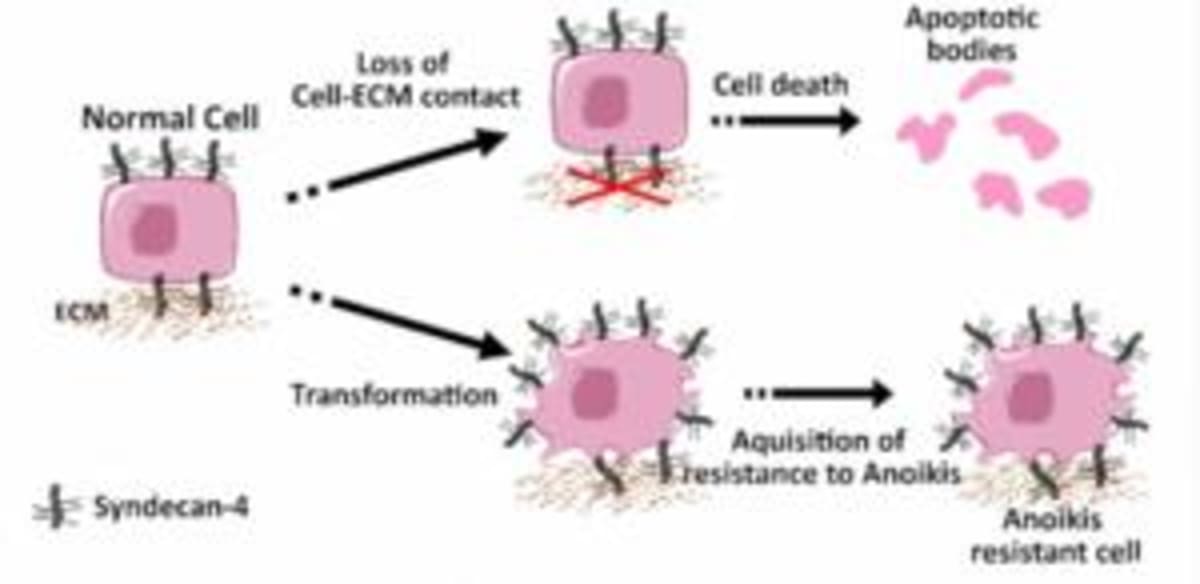
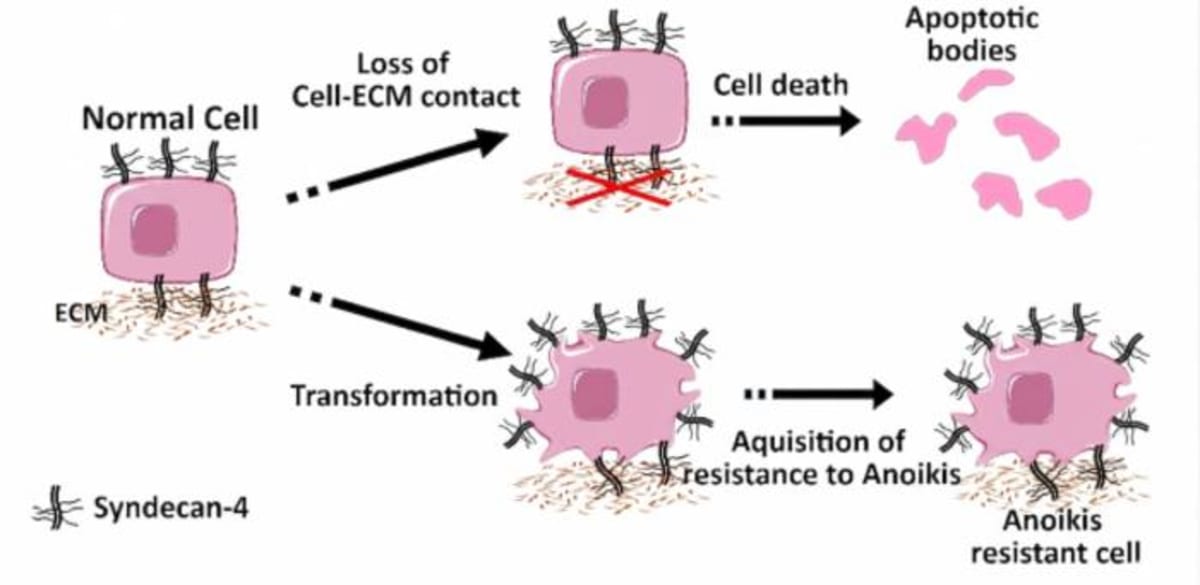
The team discovered that a molecule called Syndecan-4 acts like a protective shield on tumor cells. When cancer cells break away from tissue to spread through the bloodstream, this molecule helps them survive a journey that should kill them.
Under normal conditions, cells need to stay connected to tissue to survive. When they detach, they activate a self-destruct program called anoikis, which literally means "death by homelessness" in Greek. It's the body's way of preventing rogue cells from traveling where they shouldn't.
Cancer cells, however, have learned to cheat this system. The most aggressive tumor cells produce extra Syndecan-4, which protects them from anoikis and allows them to travel through the bloodstream until they colonize other organs. That process is metastasis, the deadliest aspect of cancer.
In laboratory experiments with rabbit cells, the researchers saw something remarkable. When they used genetic techniques to silence Syndecan-4, the aggressive cancer cells lost their armor. They became dependent on tissue connection again and started responding to natural cell death signals.
Lead researcher Carla Cristina Lopes explained that fewer than 5% of normal cells survived when detached from tissue. That tiny group became highly aggressive and showed excessive Syndecan-4. But when the molecule was silenced, those malignant properties disappeared.
The silencing also increased levels of p27, a protein that stops uncontrolled cell division early in the process. The tumor cells essentially forgot how to be immortal.
Why This Inspires
This discovery opens doors that seemed locked just years ago. The same molecule that helps cancer spread could become its weakness. Instead of developing entirely new drugs, scientists might be able to target something cancer cells are already using.
The São Paulo team is now investigating whether cannabidiol (CBD) can naturally interfere with Syndecan-4. While still early in research, the approach represents a shift toward using the body's existing mechanisms against cancer rather than fighting them with brute force.
Lopes cautioned that validation is needed for each cancer type, but the principle holds promise. By identifying how cancer protects itself, researchers can work on removing that protection.
The research received support from multiple Brazilian science agencies and was published in the journal Cytotechnology, making the findings available to cancer researchers worldwide.
Scientists are learning cancer's playbook, one molecule at a time.
More Images
Based on reporting by Google News - Researchers Find
This story was written by BrightWire based on verified news reports.
Spread the positivity!
Share this good news with someone who needs it