Brazilian Students Overcome Chemistry Fear With Museum Trip
Over 250 Brazilian high school students transformed their relationship with chemistry through interactive museum exhibits, proving that how we teach matters just as much as what we teach. The results offer hope for millions of students who struggle with science anxiety.
Students across Brazil are discovering that chemistry isn't the scary subject they thought it was, thanks to a groundbreaking approach that takes learning outside traditional classrooms.
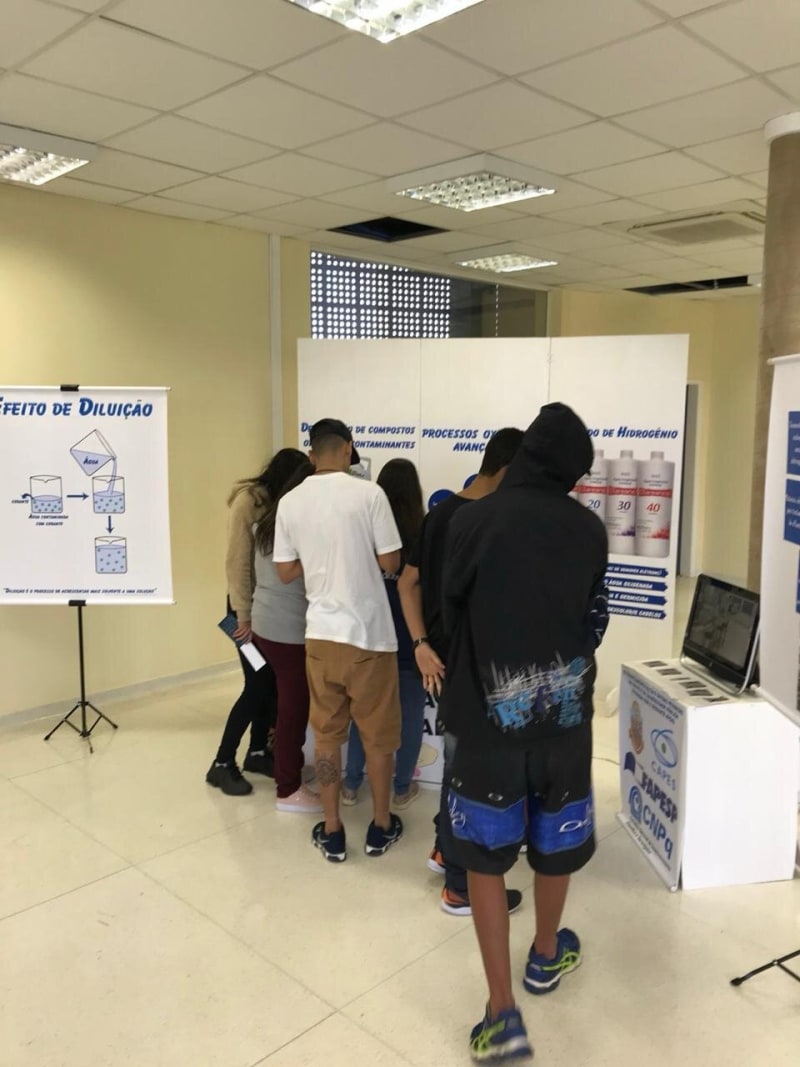
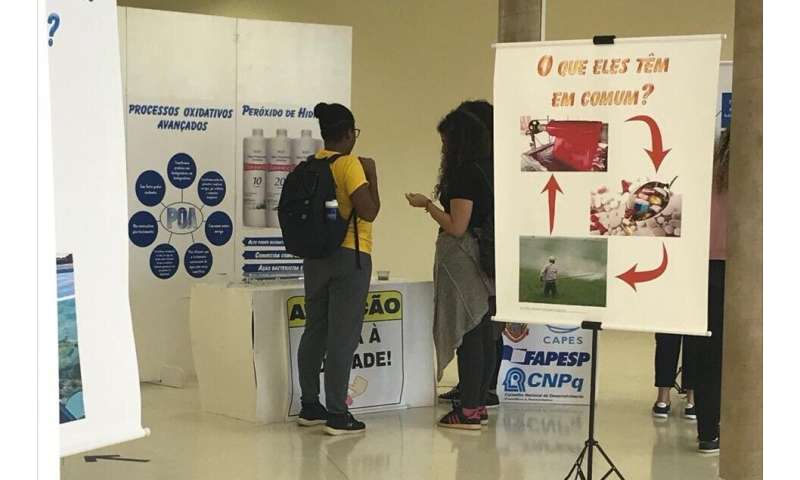
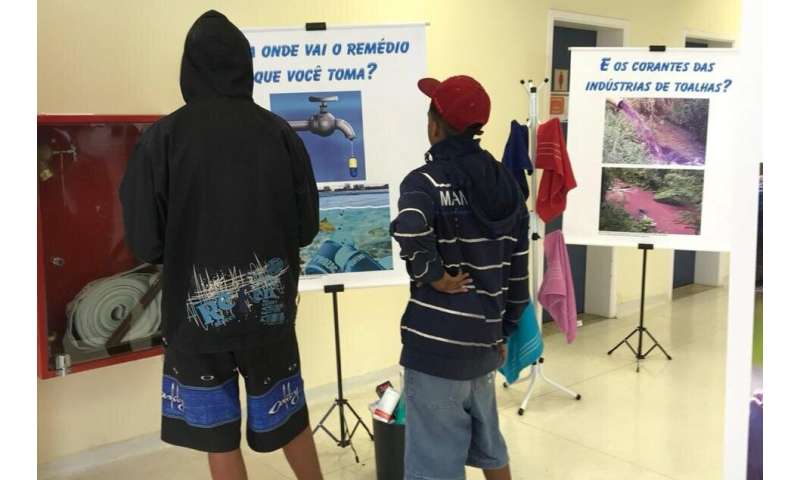
Researchers from the University of São Paulo worked with more than 250 public high school students from São Carlos, Brazil, introducing them to chemistry through interactive museum exhibits. The students explored advanced oxidation processes, learning how scientists break down pollutants like pharmaceuticals and dyes using environmentally friendly techniques.
The experience transformed how these students viewed the subject. Before the museum visit, many struggled with what researchers call "chemophobia," the widespread fear that chemistry is too difficult, dangerous, or disconnected from real life. After hands-on interaction with physical models and engaging exhibits, students reported feeling more confident and interested in the subject.
The researchers chose schools in peripheral neighborhoods specifically to expand access to science communication initiatives. Many of these students had limited exposure to interactive educational experiences outside their regular classrooms.
The study, published in the Journal of Science Communication, drew on Self-Determination Theory, which shows that motivation thrives when people feel autonomous, competent, and connected. Lead researcher Ariane Carolina da Rocha explains that traditional chemistry teaching often focuses heavily on content without enough interaction, which reduces student engagement.
The team interviewed students who showed both high and low participation levels to understand different forms of engagement. They discovered that the interactive, welcoming environment made all the difference.
The Ripple Effect
This research offers a blueprint for educators worldwide struggling to engage students in STEM subjects. The findings suggest that chemophobia stems less from the subject itself and more from how it's taught.
When students interact with chemistry in meaningful, hands-on contexts, their negative perceptions fade. They begin seeing connections between abstract concepts and real-world applications, like cleaning polluted water or developing safer products.
The approach proves especially valuable for students in underserved communities who may have fewer opportunities to experience science outside textbooks. By bringing university research into accessible museum exhibits, the program bridges the gap between advanced scientific work and everyday learners.
The success in São Carlos demonstrates that we can reverse science anxiety by creating welcoming learning environments where students feel competent and curious rather than intimidated. As more schools adopt similar approaches, the next generation may view chemistry not as an obstacle but as a tool for solving real problems.
Chemistry doesn't have to be scary when students experience it as the fascinating, relevant field it truly is.
More Images
Based on reporting by Phys.org
This story was written by BrightWire based on verified news reports.
Spread the positivity!
Share this good news with someone who needs it