Brazilian Tree Compound Attacks COVID-19 Three Ways
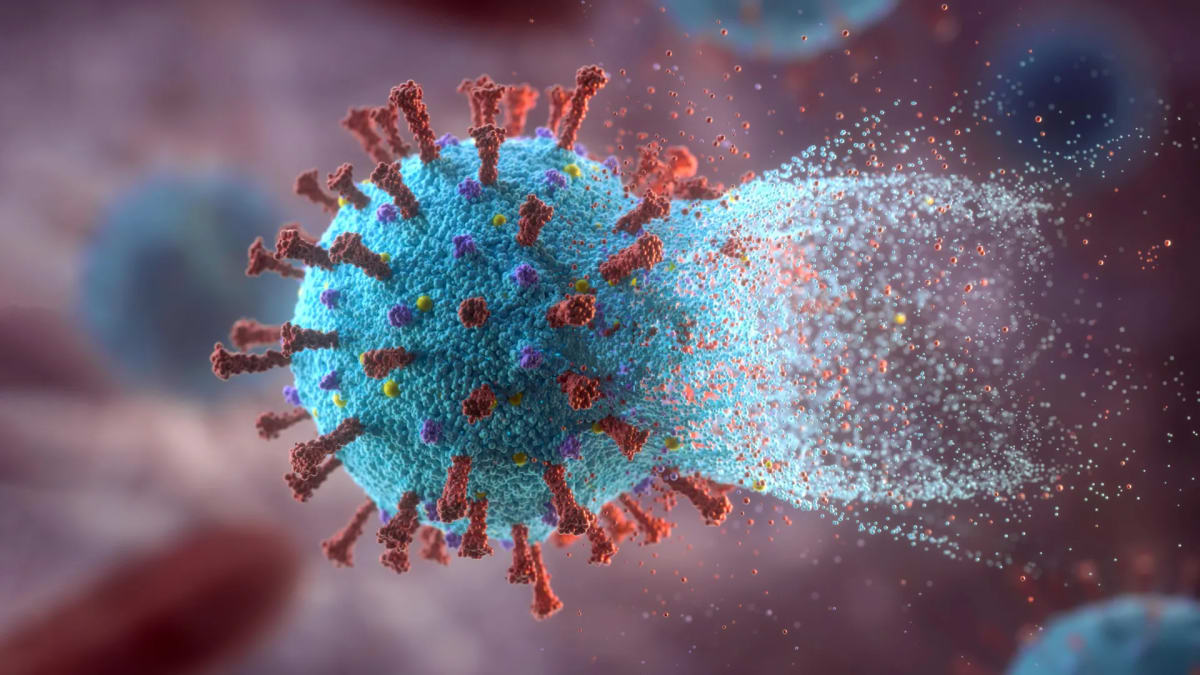
Scientists discovered a natural compound from a Brazilian rainforest tree that blocks COVID-19 at multiple stages, potentially making it harder for the virus to develop resistance. Unlike existing antivirals that target just one weakness, these molecules stop viral entry, replication, and inflammation all at once.
A little-known tree deep in Brazil's Atlantic Forest might just change how we fight COVID-19.
Researchers at the University of São Paulo discovered that compounds called galloylquinic acids, extracted from the leaves of Copaifera lucens, can attack the virus responsible for COVID-19 at three different stages simultaneously. The findings were published in Scientific Reports in May 2026.
Most antivirals work like a key fitting one lock. They target a single part of the virus, which can lead to resistance over time. These natural compounds are different.
Laboratory tests showed the molecules block the virus from entering human cells in the first place. If any virus gets through, the compounds interfere with its ability to make copies of itself. They also reduce inflammation, which causes severe symptoms in some COVID patients.
"An important aspect is the multi-target mechanism of the compound, which reduces the likelihood of resistance developing," said Jairo Kenupp Bastos, who led the research team. "Many current antivirals act on only one viral protein, which promotes this effect."
The research team has spent years studying plants in the Copaifera genus for their medicinal properties. That background knowledge helped them zero in on this particular species. Previous studies had shown similar compounds demonstrating strong activity against HIV-1 with low toxicity.
The scientists used plaque reduction assays to measure how well the compounds neutralized viral particles. They also examined interactions with the spike protein that lets COVID enter cells, plus two key enzymes the virus needs to replicate and evade immune defenses.
Safety testing came first. The team confirmed the compounds weren't toxic to human cells before moving forward with antiviral experiments.
Why This Inspires
This discovery reminds us that nature still holds answers we haven't found yet. The Brazilian Atlantic Forest, like rainforests worldwide, contains countless plant species scientists have barely begun to study. Each one could hold compounds that might treat diseases we're still learning to fight.
The multi-target approach also represents smarter medicine. Instead of playing whack-a-mole with a virus that keeps evolving, these compounds hit multiple weaknesses at once.
The path forward requires animal studies and human clinical trials before any treatment reaches patients. But the research highlights why protecting biodiversity matters beyond conservation. Brazilian plant life represents not just ecological treasure but potential medical breakthroughs waiting to be discovered.
For now, a tree that's grown quietly in the Atlantic Forest for generations has revealed it might have been holding a weapon against modern pandemics all along.
Based on reporting by Google News - Scientists Discover
This story was written by BrightWire based on verified news reports.
Spread the positivity!
Share this good news with someone who needs it