Brazilian Women Lead Pantanal's Fishing Revolution
Women in Brazil's Pantanal wetland transformed from marginalized workers into community leaders while sustaining a $20 million fishing industry. Their journey from invisibility to empowerment shows how essential workers are claiming their rightful recognition.
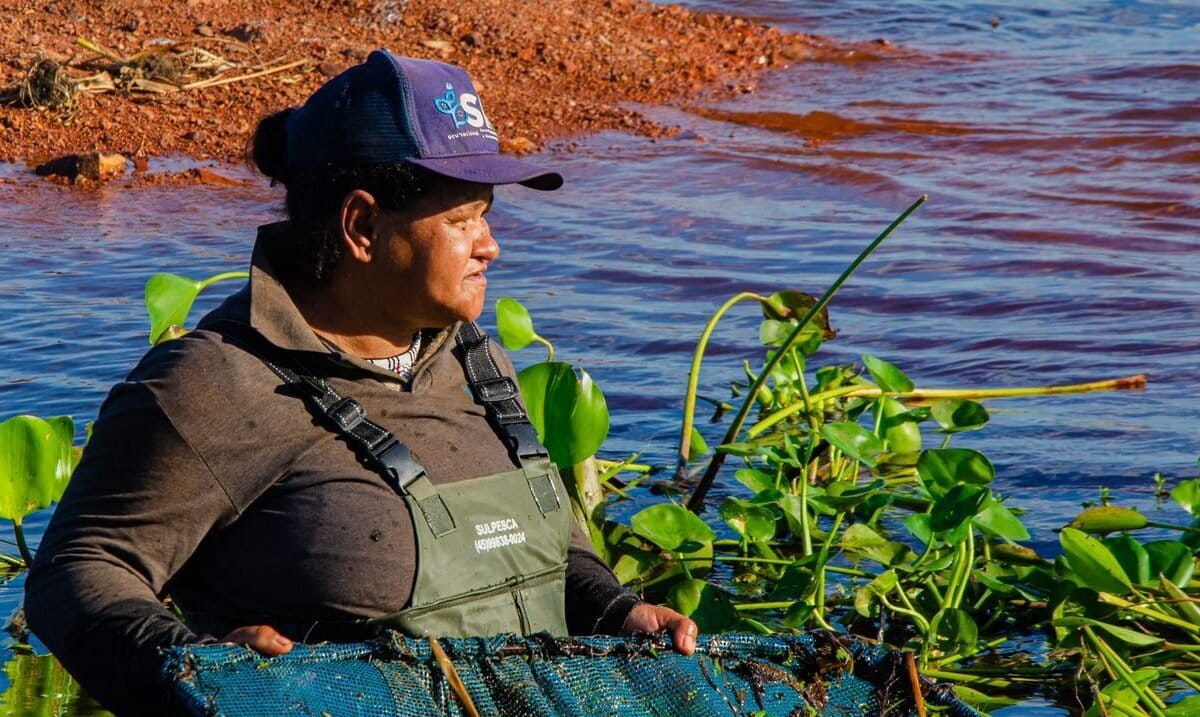
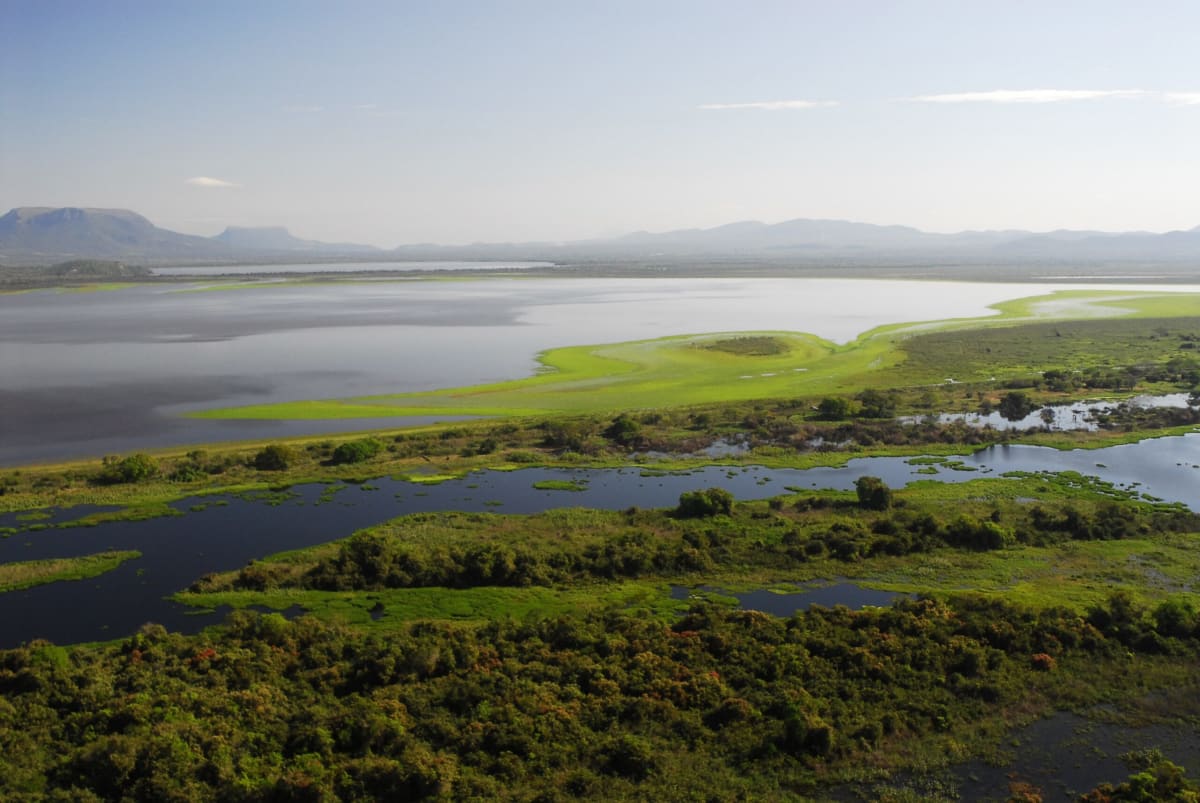
At 3 a.m., Roseli Oliveira prays before stepping into the dark waters of Brazil's Pantanal wetland, beginning a 12-hour workday that has sustained her for 36 years. She's part of a quiet revolution where women now make up 40% of professional fishers in the region, gathering live bait that powers a $20 million sportfishing tourism industry.
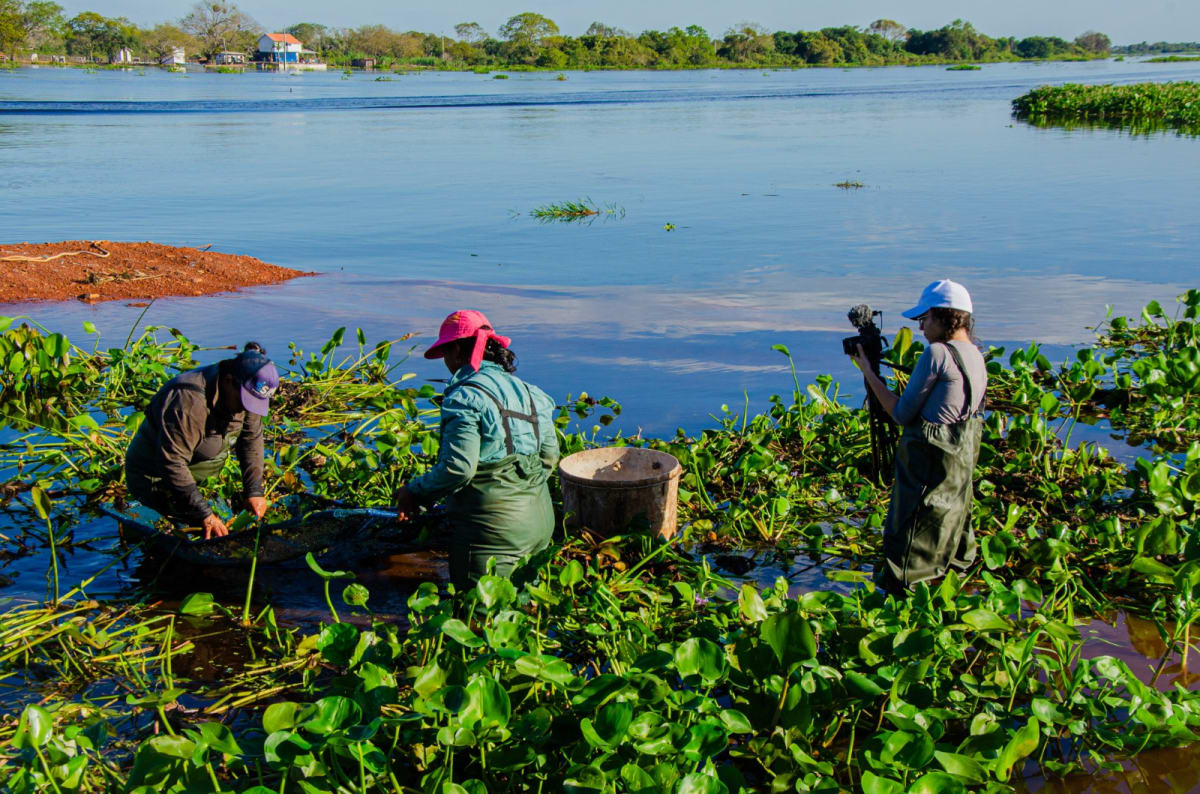
These women work waist-deep in murky waters alongside caimans and anacondas, catching small crabs and fish with fine-mesh nets. What started as marginalized, invisible labor in the 1980s has evolved into something remarkable: women haven't just taken over bait gathering, they've also stepped into political and social leadership roles while men shifted to piloting tour boats and managing lodges.
The transformation didn't happen overnight or easily. For decades, women like 61-year-old Elizete "Zezé" Garcia worked without protective equipment, facing health risks from contaminated water during drought periods. "We didn't have any equipment; it was just our clothes, a dugout canoe, an oar, a small container, and willpower," Oliveira recalls.
Everything changed in 2011 when Ecoa, a local environmental NGO, partnered with labor prosecutors to provide waterproof suits and protective gear. For 15 years, funds from labor fines have purchased specialized equipment costing $58 per suit, protecting gatherers from both wildlife and waterborne illnesses.
The shift represents more than just better working conditions. In communities like Porto da Manga, with 250 residents across 47 families, women have moved from society's margins to its center. What anthropologist Álvaro Banducci found in 2002 as work for those "for whom the doors of the job market have been persistently closed" has become a path to community influence and respect.
Why This Inspires
These women prove that essential workers deserve visibility and protection, not exploitation. Their story shows how small interventions like proper equipment and recognition can transform dangerous, undervalued work into dignified employment. By claiming leadership roles while maintaining their traditional fishing knowledge, they're rewriting who gets to shape their community's future.
Today, over 5,000 women are registered as professional fishers in the Pantanal states. Their hands sustain an industry worth millions, and now their voices are shaping it too.
More Images

Based on reporting by Mongabay
This story was written by BrightWire based on verified news reports.
Spread the positivity!
Share this good news with someone who needs it