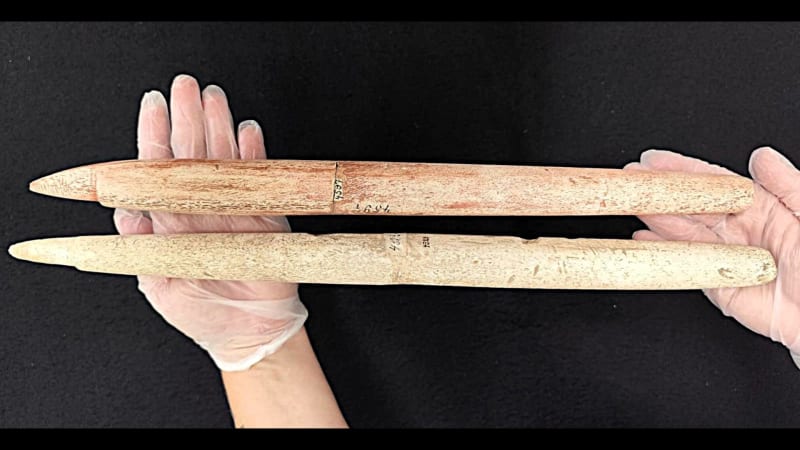
Brazil's 5,000-Year-Old Harpoons Reveal Ancient Whale Hunters
Indigenous people in Brazil were hunting whales 5,000 years ago, making these newly discovered harpoons some of the oldest in the world. The find rewrites what we thought we knew about prehistoric whaling traditions.
Fifteen ancient harpoons discovered in a Brazilian museum have just rewritten the history of whale hunting around the world.
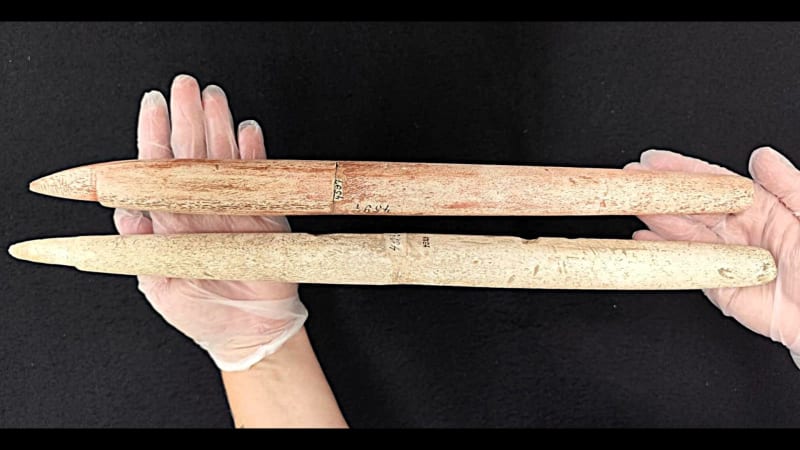
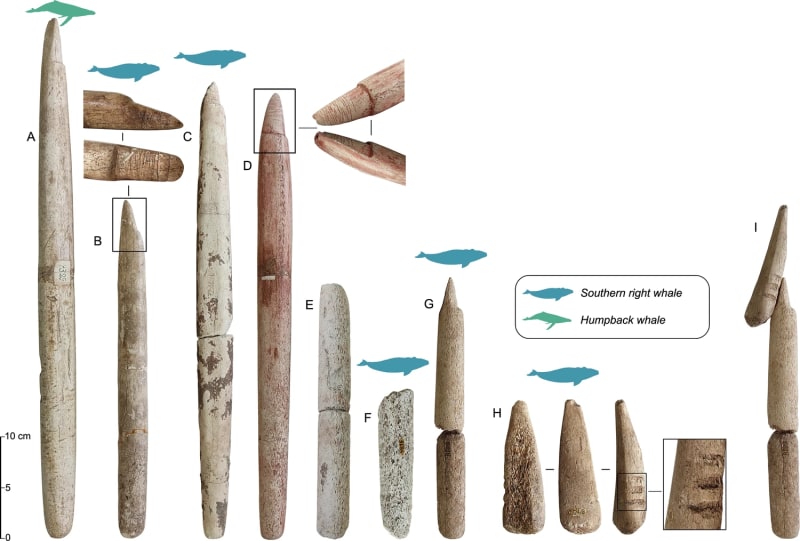
Researchers examining artifacts from Indigenous Sambaqui populations in southern Brazil found harpoons crafted from whale rib bones that date back nearly 5,000 years. That makes them over 1,000 years older than similar tools found in the Arctic, challenging the long-held belief that only Northern Hemisphere communities hunted whales in ancient times.
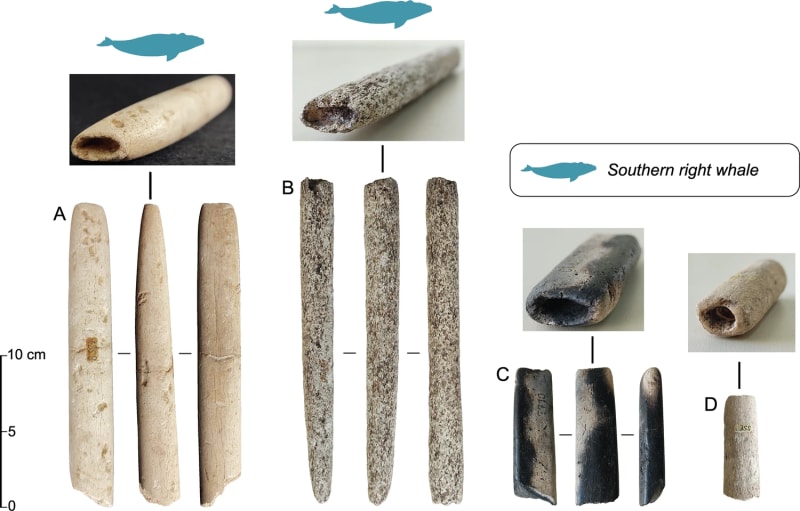
The discovery happened almost by accident. André Carlo Colonese and his team were documenting marine species used by coastal communities when a museum curator brought out a box of items once labeled as simple sticks. Colonese immediately recognized the hollow centers and carved tips as sophisticated harpoon components.
The team analyzed 118 whale bones at the Joinville Sambaqui Archaeological Museum, identifying most as southern right whales and humpback whales. But the real surprise came when they dated two of the harpoon pieces. The results showed the tools were between 4,710 and 4,970 years old.
"I jumped for joy when I saw the results," Colonese told Live Science. For prehistoric people, whales provided enormous resources including meat, oil for warmth, and bones for tools and cultural items.
Why This Inspires
This discovery celebrates Indigenous innovation that modern science had completely overlooked. The Sambaquis were long viewed as simple mollusk gatherers and fishers, but these harpoons prove they possessed advanced maritime technology thousands of years ago.
The find also expands our understanding of human ingenuity across different climates. While scientists assumed whale hunting only happened in cold northern waters, these tropical communities developed their own sophisticated methods independently.
Jean-Marc Pétillon, an archaeologist at the University of Toulouse who wasn't involved in the study, called it "a very spectacular, informative discovery" that changes perspectives on ancient maritime systems. The harpoons show that coastal innovation wasn't limited by geography or climate.
The research, published in Nature Communications, offers a glimpse into capabilities that Indigenous communities possessed millennia ago. These weren't just survivors adapting to their environment but skilled hunters who mastered one of the ocean's greatest challenges.
Ancient ingenuity continues teaching us that human innovation has always been more widespread and remarkable than we imagined.
More Images

Based on reporting by Live Science
This story was written by BrightWire based on verified news reports.
Spread the positivity!
Share this good news with someone who needs it