Brazil's Solar Boom Gets Battery Boost to Beat Curtailment
Brazil's solar sector is transforming as energy storage emerges as the solution to grid saturation and generation curtailment. New laws and hybrid systems are opening doors for solar to power everything from homes to data centers across Latin America's largest economy.
Brazil's solar energy sector just hit a major milestone, and it's not just about installing more panels.
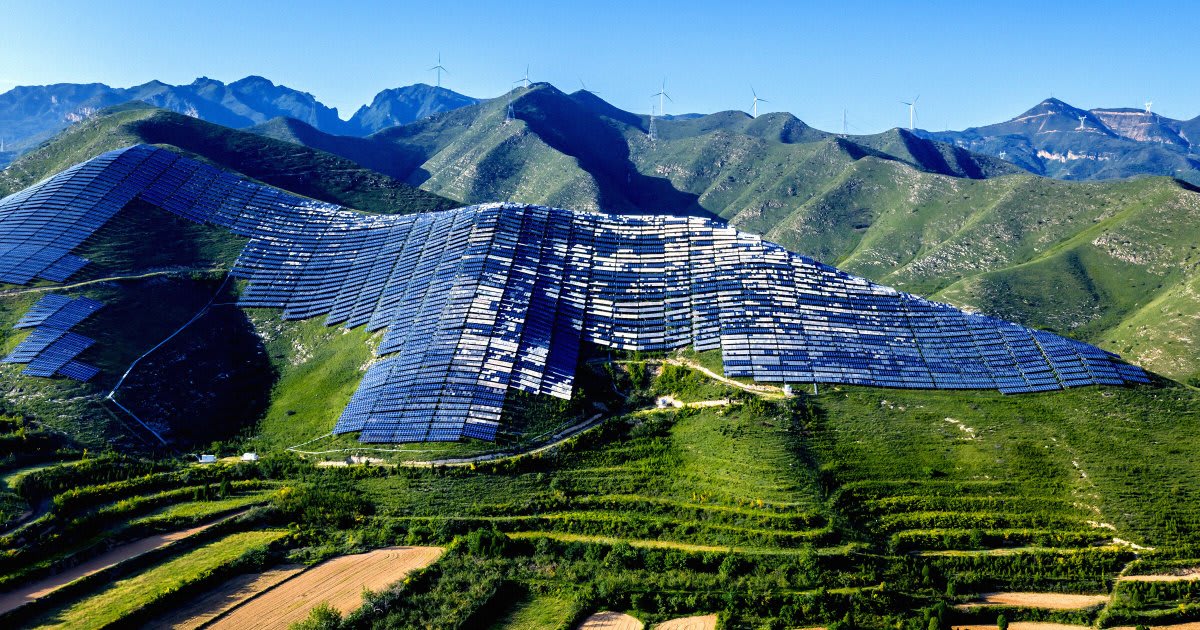
The country's Northeast region is leading a solar revolution, with 74 gigawatts of projects under development out of 117 GW nationwide. That's enough potential to power tens of millions of homes with clean energy.
But rapid growth created unexpected challenges. States like Ceará faced generation curtailment, where solar farms had to shut down because the grid couldn't handle all the clean power they produced.
Enter the game changer: energy storage. A new law, Brazil's Law 15,269, officially brought batteries into the country's legal framework for the first time, complete with tax incentives to speed adoption.
Rodrigo Sauaia, executive president of solar association Absolar, says the sector is shifting from simply selling solar panels to offering complete energy solutions. The free market now accounts for 44% of Brazil's energy consumption, creating fresh opportunities for solar companies willing to innovate.
Barbara Rubim, CEO of Bright Strategies, sees batteries as the future of distributed generation. Hybrid solar systems with storage already show payback periods of around five years, combining bill savings with backup power and energy independence.
The timing couldn't be better. Brazil's growing data center industry, green hydrogen projects, and industrial electrification all need reliable, round-the-clock clean power that solar alone can't provide.
The Ripple Effect
This transformation reaches far beyond Brazil's borders. As Latin America's largest economy proves that solar plus storage can overcome grid limitations, other developing nations facing similar challenges are watching closely.
The shift means cleaner air in cities, more stable electricity for businesses, and new jobs in battery installation and maintenance. Distributed generation continues growing steadily, with microgeneration expanding even as older models face technical limits.
Some regions already generate over 20% of their power from distributed solar, approaching levels where international markets typically encounter infrastructure challenges. The solution isn't slowing down solar growth but smartening it up with storage.
Training remains a barrier, as many installers need new skills to work with hybrid systems. However, the sector is responding with education programs to meet rising demand.
From curtailment crisis to storage solution, Brazil's solar sector is proving that clean energy challenges can spark even cleaner innovations.
More Images


Based on reporting by PV Magazine
This story was written by BrightWire based on verified news reports.
Spread the positivity!
Share this good news with someone who needs it