Breaking Barriers: Arab Women Comedians Redefine Humor and Empowerment
Arab women comedians are revolutionizing the comedy scene, using humor as a powerful tool for social commentary and personal empowerment. Their performances challenge stereotypes and create new narratives about women's experiences in the Middle East.
In the vibrant world of comedy, Arab women are stepping into the spotlight, transforming stages and social media platforms with their wit, cultural insights, and powerful storytelling. From New York to Dubai, these comedians are challenging stereotypes and creating space for authentic female voices in an traditionally male-dominated industry.
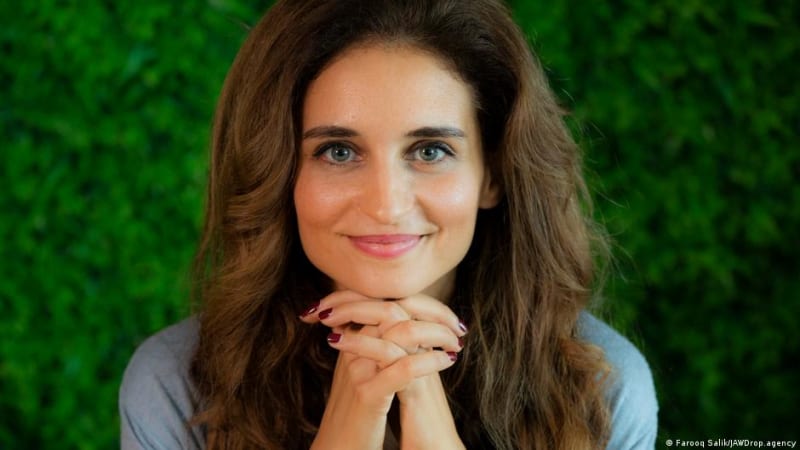
Take Mia Almas, a fictional comedian in Sara Hamdan's debut novel "What Will People Think?", who hilariously captures the essence of Arab hospitality by joking about family gatherings and overfeeding guests. Her narrative represents a broader trend of Arab women using comedy as a nuanced tool for social commentary and personal expression.
While major comedy festivals across the Middle East - including events in Abu Dhabi, Dubai, Amman, and Riyadh - still overwhelmingly feature male performers (with the Riyadh Comedy Festival hosting just three women compared to 47 men in September 2025), female comedians are steadily gaining ground. Political scientist Elham Manea notes that these performances are becoming a meaningful vehicle for female empowerment, reaching audiences far beyond traditional activist circles.
The roots of Arab comedy run deep, with Egyptian theater and film establishing a rich comedic tradition as early as the 1930s. Contemporary comedians like Syrian performer Ola Msharaf and Egyptian comedian Reem Nabil are building on this legacy, though they face unique challenges. Nabil candidly shares the persistent issue of being constantly compared to male comedians, highlighting the ongoing gender dynamics in the industry.
Interestingly, Middle Eastern comedy performances often differ from international stand-up, typically avoiding explicit political content, sexual themes, and profanity during formal festivals. However, outside these structured environments, Arab and Arab-diaspora comedians explore a broader range of topics with increasing freedom.
Manea emphasizes that the impact of these performances goes beyond overt political statements. By centering women's experiences and using humor to address complex issues like marriage, family pressure, and societal double standards, these comedians are subtly reshaping public perceptions. Laughter becomes a powerful tool for making women's experiences socially accessible and shareable.
For Sara Hamdan, whose personal journey intersects with comedy - she met her husband Jamil Abu-Wardeh while writing about comedy in the Middle East - this artistic movement represents more than entertainment. It's about visibility, challenging expectations, and creating new narratives that reflect the complexity of Arab women's lives.
As these comedians continue to take stages and leverage social media platforms, they're not just telling jokes - they're telling their stories, challenging stereotypes, and expanding the conversation about what it means to be a woman in the Arab world today.
Based on reporting by DW News
This story was written by BrightWire based on verified news reports.
More Good News
🦸 HeroesBreaking Barriers: Arab Women Take Center Stage in Comedy
 🦸 Heroes
Nation Mourns: Bangladesh Bids Emotional Farewell to Pioneering Leader Khaleda Zia
 🦸 Heroes