
Breakthrough Discovery Opens New Hope for Prostate Cancer Treatment
Scientists have identified a key enzyme that could revolutionize prostate cancer treatment, offering new hope for patients with drug-resistant forms of the disease. This groundbreaking research paves the way for more personalized and effective therapies that could help thousands of men worldwide.
In an exciting development that brings renewed hope to prostate cancer patients and their families, an international team of researchers has made a remarkable breakthrough in understanding how this disease works—and more importantly, how to fight it more effectively.
Led by Dr. Wouter Karthaus at EPFL and Dr. Eneda Toska at Johns Hopkins University, scientists have identified an enzyme called KMT2D that plays a starring role in how prostate tumors grow and respond to treatment. Published in the prestigious journal Cancer Research, this peer-reviewed discovery represents a significant step forward in the fight against one of the most common cancers affecting men.
What makes this finding so promising is its potential to help patients whose cancer has become resistant to standard hormone-based therapies. Currently, many prostate cancers initially respond well to treatments that block androgen receptor signaling. However, some tumors adapt over time, becoming what doctors call "castration-resistant prostate cancer." Until now, these resistant forms have been particularly challenging to treat effectively.
The research team discovered that KMT2D acts like a master switch, controlling how cancer cells maintain their identity and resist treatment. By understanding this enzyme's role, scientists now have a potential new target for therapy. Even more encouraging, when researchers blocked KMT2D in laboratory studies, cancer cells became more vulnerable to existing treatments, and certain anti-cancer drugs worked significantly better.
Using cutting-edge techniques including patient-derived organoids, single-cell sequencing, and genetically engineered cell lines, the team demonstrated that targeting this enzyme could help re-sensitize resistant tumors to therapy or slow their progression into more aggressive forms. This multi-pronged approach to understanding the disease showcases the power of modern cancer research.
Dr. Karthaus emphasizes the importance of this work, noting that with prostate cancer cases on the rise, discovering new treatment avenues is crucial. "KMT2D represents such a new avenue," he explains, highlighting how this research addresses a critical unmet need in cancer care.
What's particularly exciting about this discovery is its potential for personalized medicine. The findings reinforce that not all prostate cancers are the same, and treatments should be tailored to specific tumor subtypes. This approach could lead to more effective, targeted therapies with fewer side effects—a win-win for patients.
The research also sheds light on particularly aggressive "stem cell-like" subtypes of the disease, which have been notoriously difficult to treat. Understanding how KMT2D sustains these dangerous cell types opens new possibilities for intervention.
While this research is still in preclinical stages, the results are genuinely promising. The study demonstrates that combining our growing understanding of cancer biology with innovative treatment strategies can lead to meaningful advances in patient care.
For the countless men living with prostate cancer and their loved ones, this discovery represents something invaluable: hope. It's a reminder that dedicated researchers around the world are working tirelessly to unlock cancer's secrets and develop better treatments. Each breakthrough like this brings us one step closer to turning cancer into a manageable condition—or perhaps one day, eliminating it entirely.
More Images


Based on reporting by Medical Xpress
This story was written by BrightWire based on verified news reports.
Spread the positivity! 🌟
Share this good news with someone who needs it
More Good News
 🧘 Health & Wellness
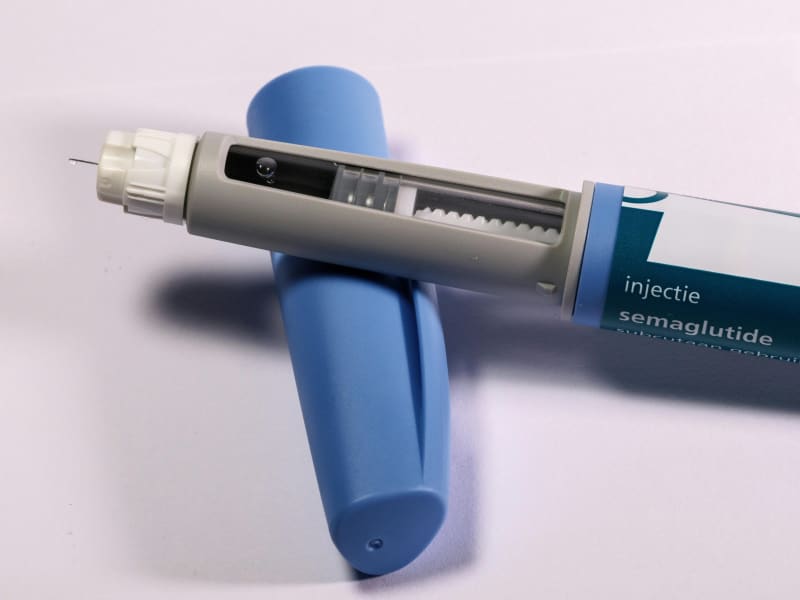
Breakthrough GLP-1 Study Shows 27% of Global Adults Could Transform Their Health
 🧘 Health & Wellness
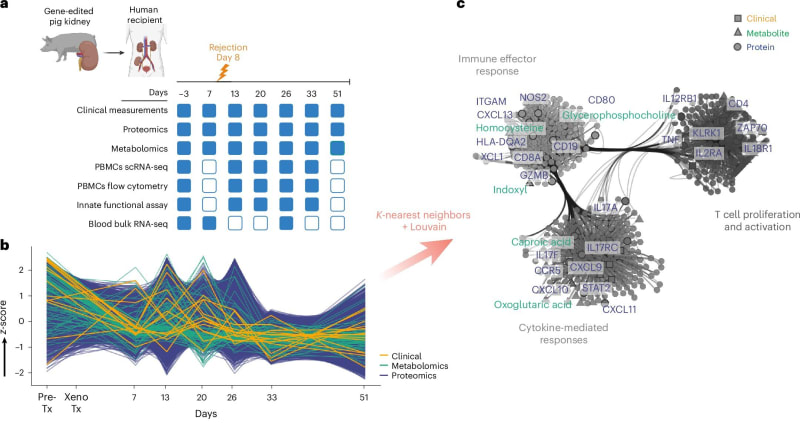
Brazilian Scientists Crack Code on Pig-to-Human Kidney Transplants
 🧘 Health & Wellness
Breakthrough Hepatitis B Drug Achieves Functional Cure in Phase 3 Trials
Joke of the Day
Why don't scientists trust atoms?
Explore Categories
Quote of the Day
"The only way to do great work is to love what you do."
— Steve Jobs