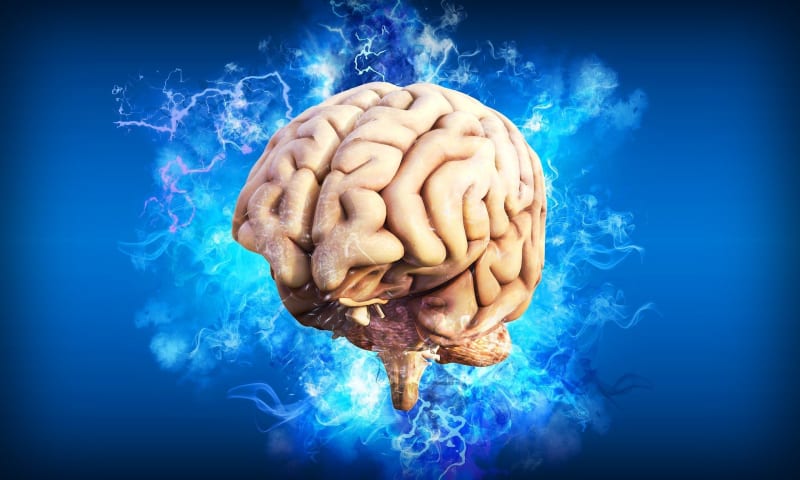
Breakthrough Injection Shows Promise in Protecting Brains After Stroke
Northwestern University scientists have developed a revolutionary injectable therapy that protects brain tissue after stroke, successfully crossing the blood-brain barrier without surgery. This groundbreaking treatment reduced brain damage in preclinical trials with no side effects, offering new hope for millions of stroke survivors worldwide.
In an exciting development that could transform stroke care, researchers at Northwestern University have created an innovative injectable treatment that shields the brain from damage after a stroke—and it works with just a single dose delivered through a standard IV.
The breakthrough addresses one of medicine's most challenging paradoxes: while doctors must quickly restore blood flow to save a stroke patient's life, that essential rush of returning blood can trigger a devastating second wave of damage. Until now, physicians have had no way to protect the brain during this critical window. This new therapy could finally change that.
What makes this discovery particularly remarkable is how the treatment reaches the brain. The innovative nanomaterial successfully crosses the blood-brain barrier—something most drugs struggle to achieve—without requiring surgery or invasive injections directly into brain tissue. Patients could potentially receive it through a simple IV, making it practical for emergency use.
The therapy builds on Northwestern's "dancing molecules" technology, which previously showed stunning results in reversing paralysis from spinal cord injuries. These supramolecular therapeutic peptides work dynamically to repair damaged tissue and calm harmful inflammation. Now, researchers have proven this same regenerative approach can protect the brain after stroke.
In preclinical studies published in the journal Neurotherapeutics, the treatment significantly reduced brain damage in mouse models of ischemic stroke—the most common type, accounting for 80% of all strokes in the United States. Even more encouraging, researchers observed no side effects or organ toxicity during the seven-day monitoring period.
Dr. Ayush Batra, associate professor of neurology at Northwestern University Feinberg School of Medicine and study co-author, emphasizes the potential impact. Current stroke treatments focus entirely on restoring blood flow, but nothing exists to help neurons recover and minimize injury afterward. "Any treatment that facilitates neuronal recovery would be very powerful," Batra explained. "This study is leading us down a pathway to develop these technologies for this unmet need."
The research team designed their experiments to closely mirror real-world stroke treatment, making the findings especially relevant for future clinical applications. They simulated a major ischemic stroke by blocking blood flow, then restored it—exactly as emergency physicians do for stroke patients—before administering the protective injection.
Professor Samuel Stupp, who developed the underlying peptide technology, sees even broader possibilities ahead. "This systemic delivery mechanism and the ability to cross the blood-brain barrier is a significant advance that could also be useful in treating traumatic brain injuries and neurodegenerative diseases such as ALS," he noted.
For the millions affected by stroke each year, this research brings genuine hope. Strokes remain one of the leading causes of disability worldwide, affecting not just patients but their families and communities. A therapy that could reduce disability and support functional recovery would represent a monumental leap forward.
While human clinical trials still lie ahead, this preclinical success marks an important milestone on the journey toward better stroke outcomes. The combination of effectiveness, safety, and practical delivery makes this approach particularly promising for eventually reaching patients who need it most.
More Images



Based on reporting by Medical Xpress
This story was written by BrightWire based on verified news reports.
Spread the positivity! 🌟
Share this good news with someone who needs it
More Good News
 🧘 Health & Wellness
UVA Scientists Discover Promising Way to Prevent Alzheimer's After Head Injuries
 🧘 Health & Wellness
Breakthrough GLP-1 Study Shows 27% of Global Adults Could Transform Their Health
 🧘 Health & Wellness
Brazilian Scientists Crack Code on Pig-to-Human Kidney Transplants
Joke of the Day
Why did the calendar go on vacation?
Explore Categories
Quote of the Day
"A friend is someone who knows all about you and still loves you."
— Elbert Hubbard