
Breakthrough Molecule Brings New Hope in Fight Against Alzheimer's Disease
Scientists at Northwestern University have developed NU-9, a promising new drug that could prevent Alzheimer's disease before symptoms even begin. This breakthrough offers hope for millions of families worldwide by targeting the disease decades before it typically causes memory loss.
Imagine a future where Alzheimer's disease could be stopped in its tracks before it ever steals precious memories. That future may be closer than we think, thanks to an exciting breakthrough from researchers at Northwestern University.
A team of dedicated scientists has developed NU-9, an innovative small-molecule drug that shows remarkable promise in preventing Alzheimer's disease during its earliest, silent stages—potentially decades before any symptoms appear. This represents a fundamental shift in how we might approach one of humanity's most challenging diseases.
"Alzheimer's disease begins decades before its symptoms appear," explains Daniel Kranz, lead author of the groundbreaking study published in Alzheimer's and Dementia: The Journal of the Alzheimer's Association. The key insight driving this research is that by treating the disease during this long pre-symptomatic window, we might prevent the devastating effects that currently impact approximately 55 million people worldwide.
The story of NU-9 is itself inspiring. Professor Richard Silverman, who previously invented the successful drug Lyrica, spent 15 years developing this molecule alongside colleagues William Klein and Kranz. Their persistence exemplifies the dedication of researchers working tirelessly to improve human lives.
The drug works by rescuing cellular mechanisms that naturally fight toxic proteins in the brain. "Cells have a mechanism to get rid of these proteins," says Klein, an Alzheimer's disease expert and professor of neurobiology. While these protective mechanisms become damaged in diseases like Alzheimer's, "NU-9 is rescuing the pathway that saves the cell."
The team's journey has been marked by exciting milestones. In 2021, they demonstrated NU-9's effectiveness in treating ALS by revitalizing damaged motor neurons. By 2024, the drug received FDA approval for clinical trials in ALS treatment—a significant validation of their work. Then, in early 2025, they proved the molecule could successfully remove toxic proteins from the brain's hippocampus, the region essential for memory and learning.
What makes this development particularly hopeful is its preventive approach. Rather than attempting to treat Alzheimer's after symptoms appear—when, as Kranz notes, "the underlying pathology is already advanced"—NU-9 could intervene during the disease's silent phase, potentially stopping it before it starts.
The implications extend far beyond medical science. Preventing Alzheimer's would spare countless families from the heartbreak of watching loved ones gradually lose their memories and independence. It would redirect enormous resources—both financial and emotional—from managing disease to enhancing quality of life. Caregivers, predominantly women who shoulder this burden while experiencing their own depression and anxiety, could instead enjoy meaningful relationships with healthy family members.
Every three seconds, someone develops dementia. But with breakthroughs like NU-9, we're moving toward a world where that devastating statistic could become history. While more research and clinical trials lie ahead, this discovery represents genuine hope that one of humanity's most feared diseases may finally meet its match.
The dedication of researchers like Silverman, Klein, and Kranz reminds us that scientific persistence pays off, and that even our most daunting health challenges can yield to human ingenuity and compassion.
More Images


Based on reporting by New Atlas
This story was written by BrightWire based on verified news reports.
Spread the positivity! 🌟
Share this good news with someone who needs it
More Good News
 🧘 Health & Wellness
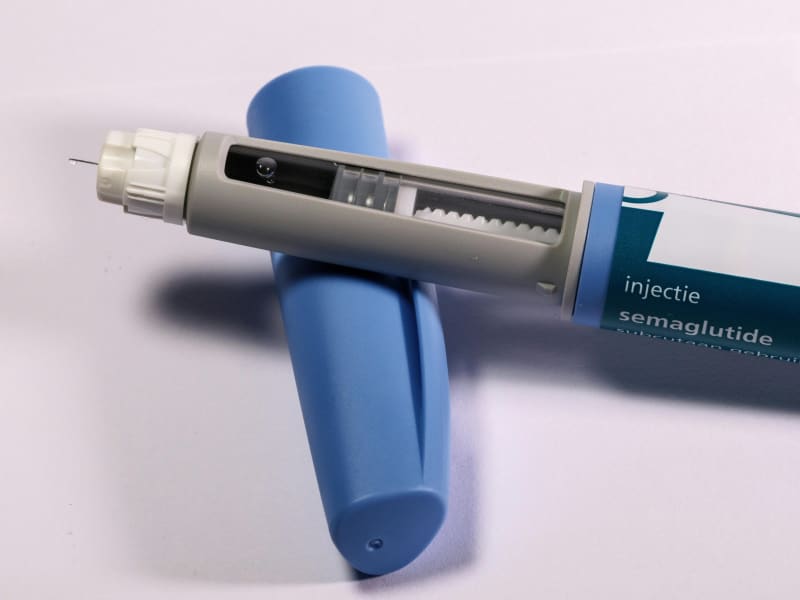
Breakthrough GLP-1 Study Shows 27% of Global Adults Could Transform Their Health
 🧘 Health & Wellness
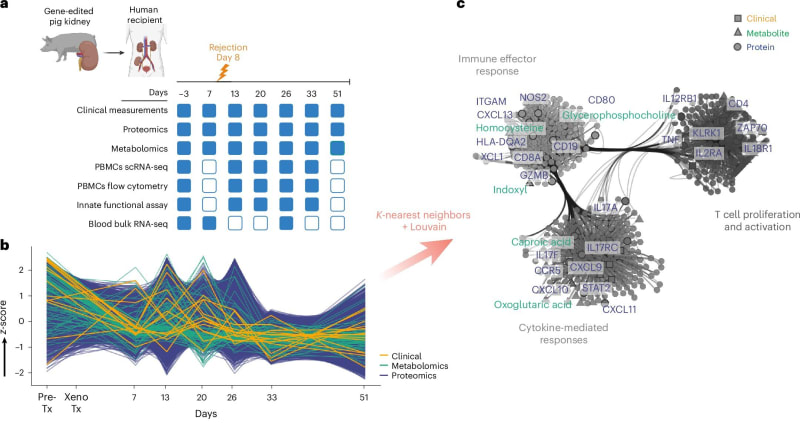
Brazilian Scientists Crack Code on Pig-to-Human Kidney Transplants
 🧘 Health & Wellness
Bayelsa Governor Prioritizes Cabinet Health After State Wins $400K Award
Joke of the Day
Why don't scientists trust atoms?
Explore Categories
Quote of the Day
"The only way to do great work is to love what you do."
— Steve Jobs