Brighton Braille Artist Hides 10 Butterflies for Rare Disease
A braille artist has hidden 10 butterfly sculptures across Brighton to raise awareness and funds for mitochondrial disease research. Each artwork combines tactile art with hope for families affected by the incurable condition.
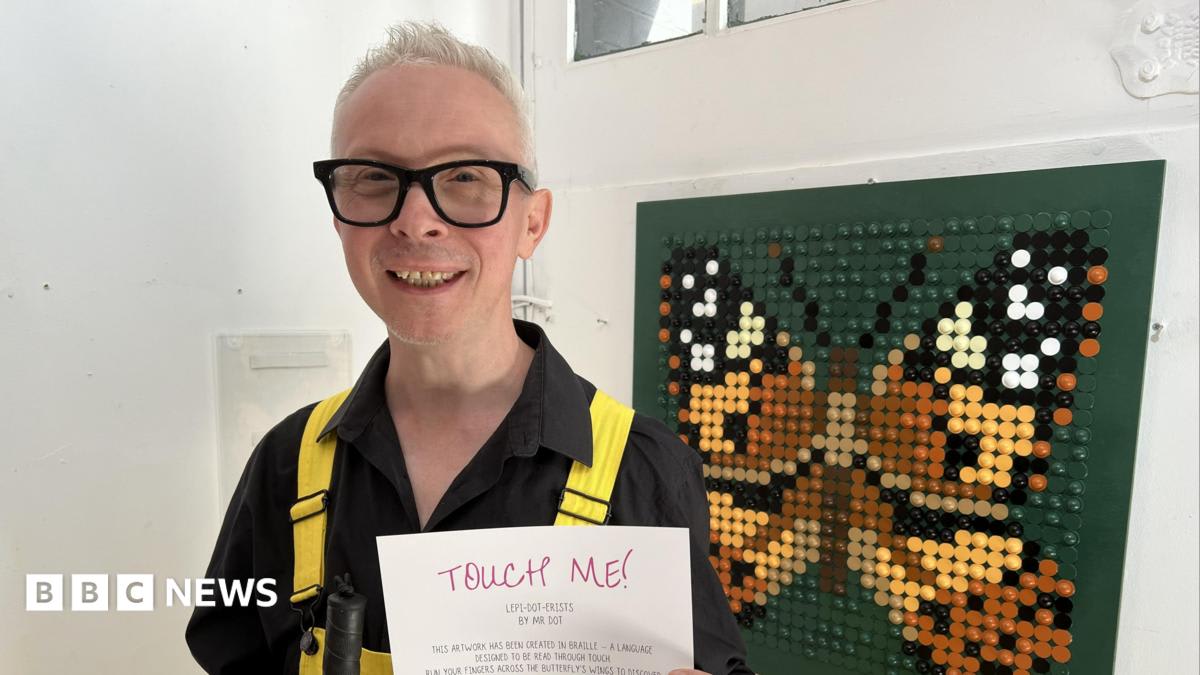
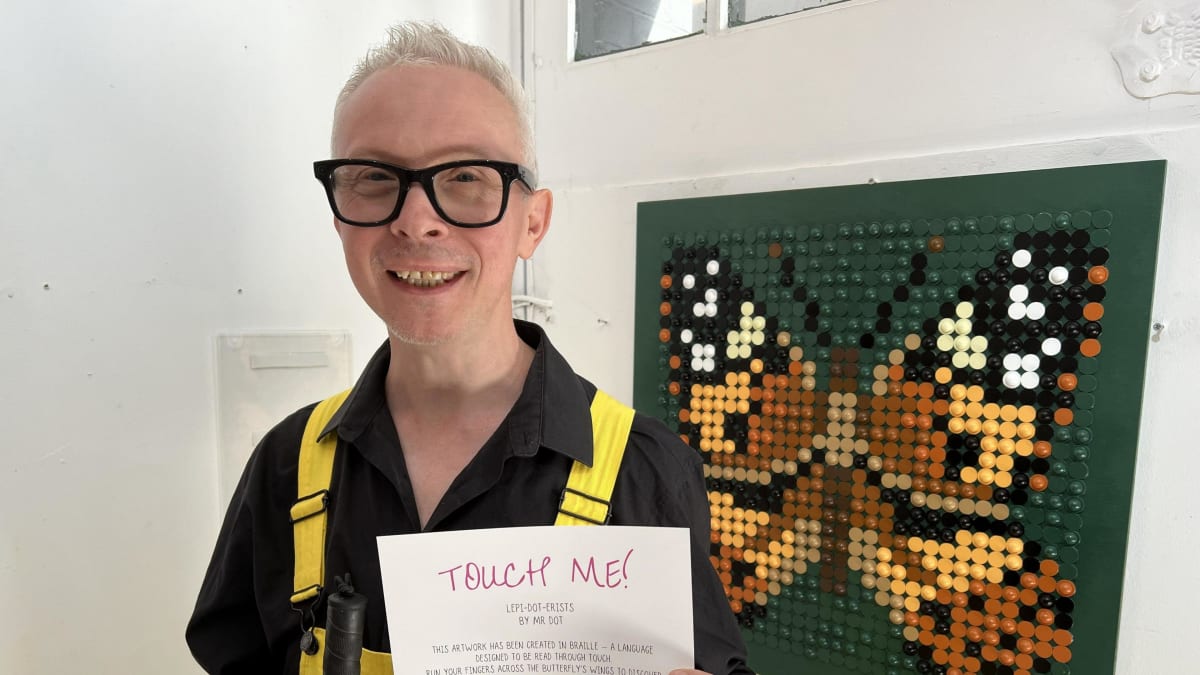
Clarke Reynolds, known as Mr Dot, is turning Brighton into a treasure hunt with a purpose.
The braille artist has installed 10 butterfly sculptures throughout the city's North Laine neighborhood, each designed to raise money for The Lily Foundation. The charity supports families affected by mitochondrial disease and funds research toward finding a cure.
Reynolds incorporated braille into each butterfly's design, sharing information about the rare condition in a format that makes art accessible to everyone. "The butterfly is a symbol of hope," he said.
The trail launches at Brighton railway station and winds through North Laine until July 31st, ending at the Indelible Fine Art gallery. An exhibition there will showcase additional works benefiting the foundation.
Mitochondrial disease affects the body's energy-producing cells and can impact vital organs including the brain, heart, and liver. There is currently no cure for the condition.
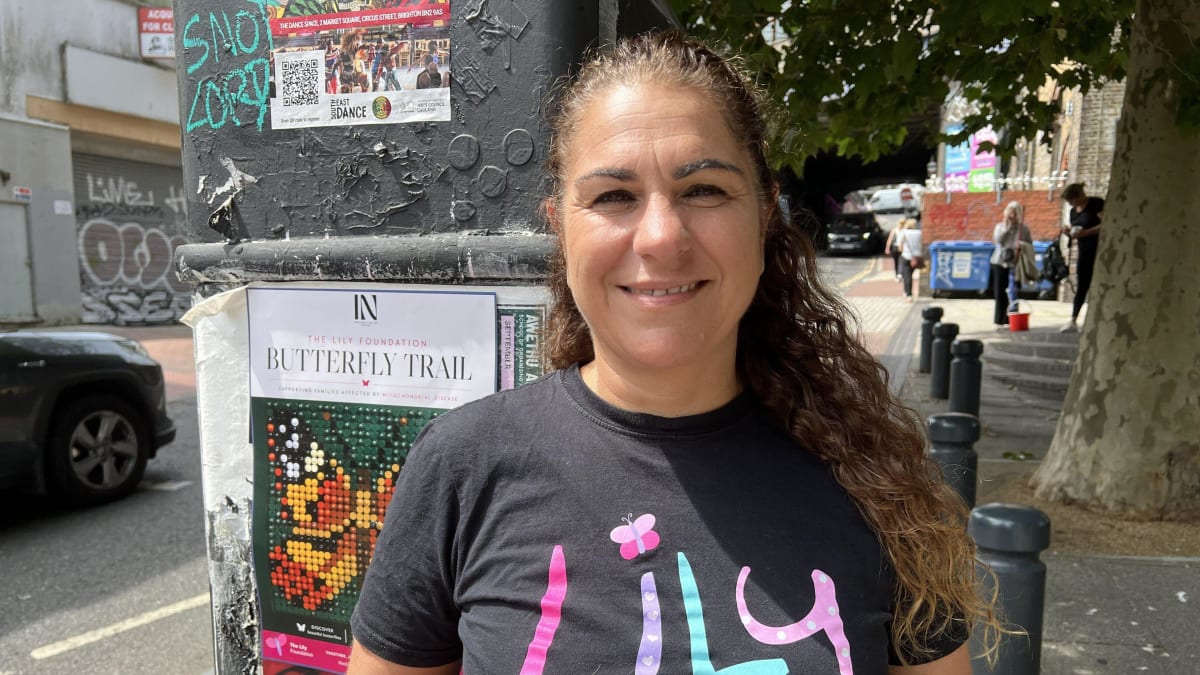
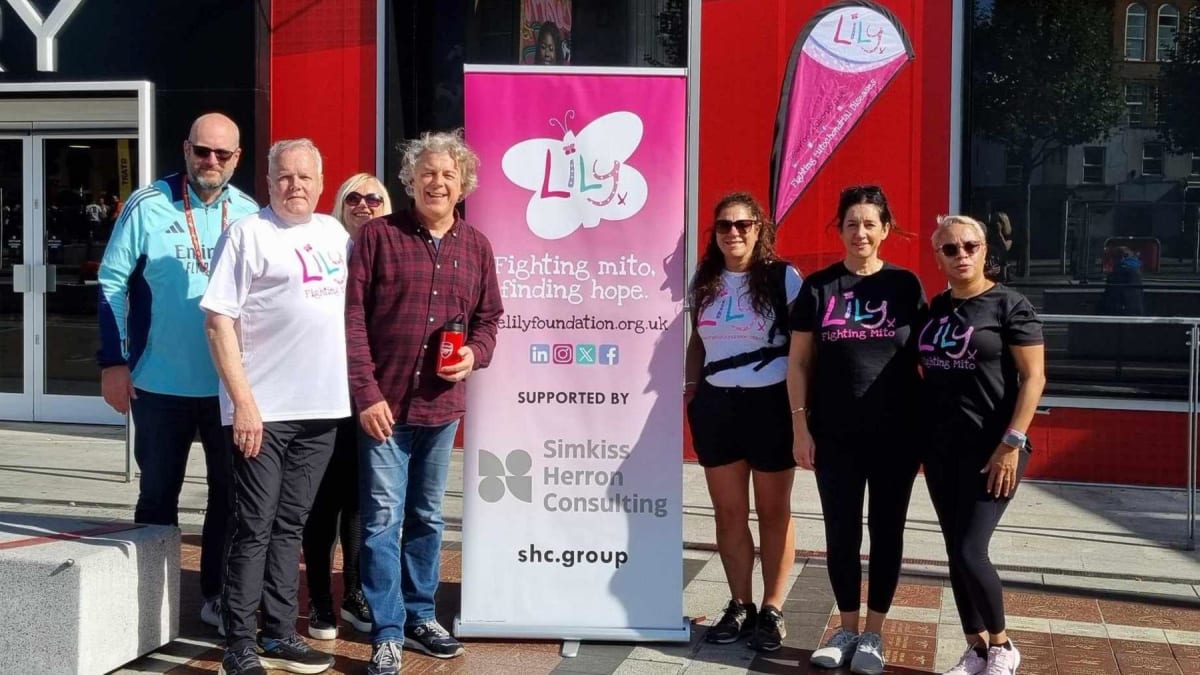
Liz Curtis founded The Lily Foundation in 2007 after losing her daughter Lily to the disease when she was just eight months old. The Surrey-based charity works to raise awareness, support affected families, and fund research toward a cure.
Curtis sees the butterfly trail as an essential step in bringing the condition into public conversation. "Unless we start talking about it and hearing about it, that's our way forward to finding a cure," she explained.
The Ripple Effect
Reynolds' creative approach transforms a medical fundraiser into an interactive community experience. By hiding the butterflies like treasures waiting to be discovered, he's turning awareness into adventure.
The project mirrors the butterfly's symbolic meaning in a tangible way. Just as butterflies emerge from darkness into light, the artist hopes conversations about mitochondrial disease will bring the condition out of the shadows and into public understanding.
Each person who searches for a butterfly, reads the braille, or shares the trail with friends expands the circle of awareness. That growing attention translates into research funding and support for families navigating an incredibly difficult diagnosis.
Curtis emphasized the devastating nature of the disease but remains focused on hope. "We don't want other families to be in the same position that we were in," she said.
Reynolds believes art can serve a higher purpose than beauty alone. "If my art can improve someone else's life and find a cure, what better way to do it than with a butterfly," he said.
Ten butterflies hidden across Brighton might seem like a small gesture, but they carry the weight of countless families' hopes for a healthier future.
More Images

Based on reporting by Google News - Disease Cure
This story was written by BrightWire based on verified news reports.
Spread the positivity!
Share this good news with someone who needs it