Britain Now Runs on Wind and Solar More Than Fossil Fuels
For the first time in its industrial history, Britain now generates more electricity from wind and solar than from gas and coal combined. The shift has transformed the island nation into a daytime hub for clean energy trading across Europe.
Britain just crossed a milestone 200 years in the making: renewables now power the grid more than fossil fuels do.
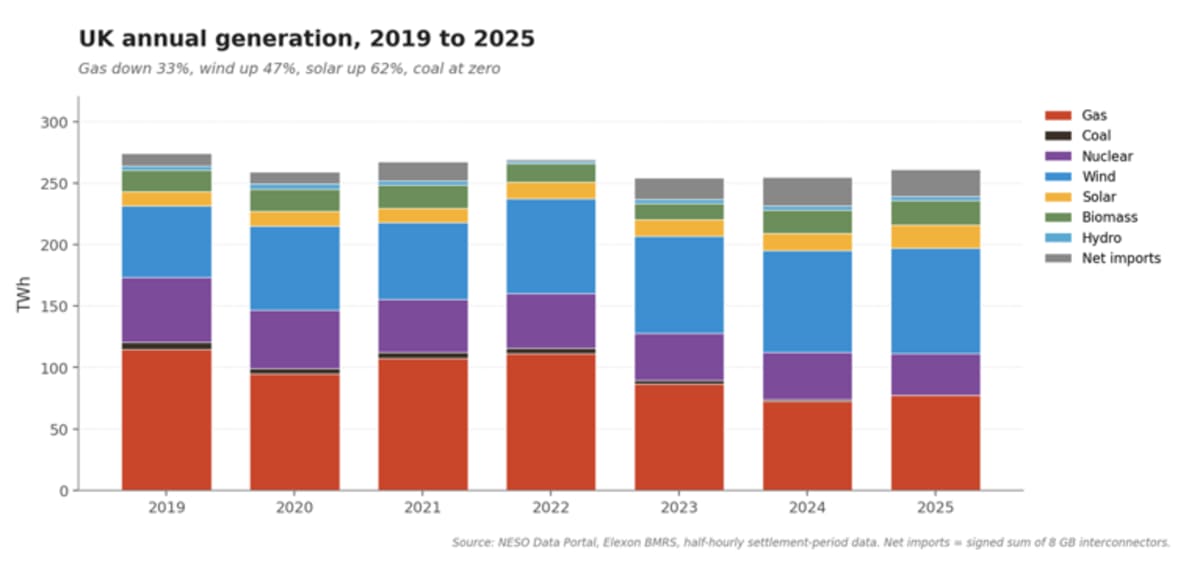
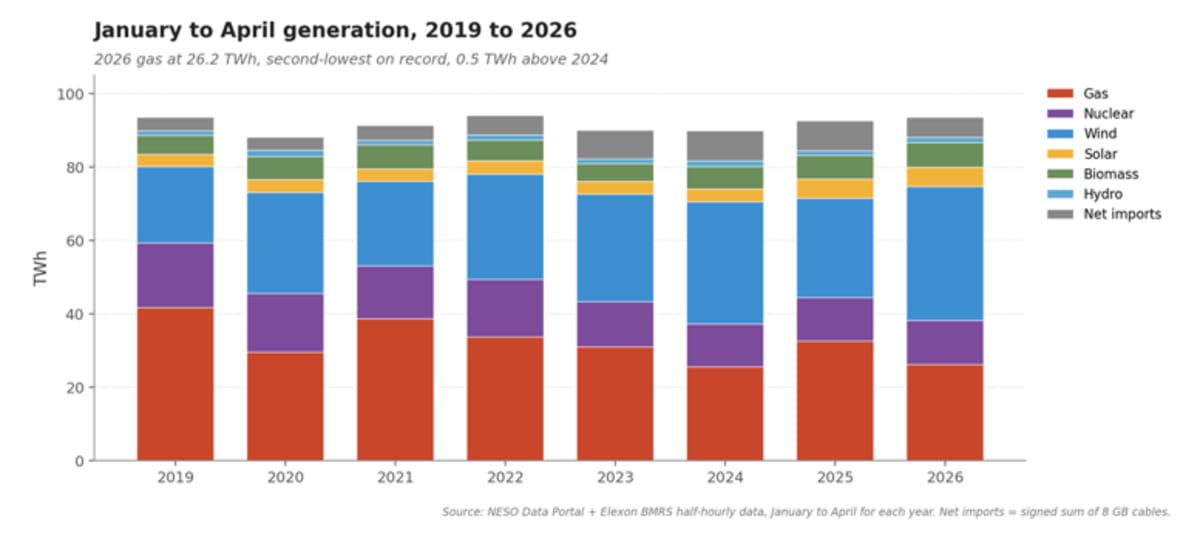
Between 2019 and 2025, wind generation jumped 47% while solar climbed 62%. Gas generation dropped by a third, and coal generation disappeared entirely when the last coal plant closed in September 2024. Wind and solar now produce more electricity than gas across Britain's power system.
The change shows up most clearly at midday. Gas turbines that once ramped up during the day now sit idle during sunny hours, then fire up as the sun sets. The price difference tells the story: midday electricity now costs $29.50 less per megawatt-hour than evening power.
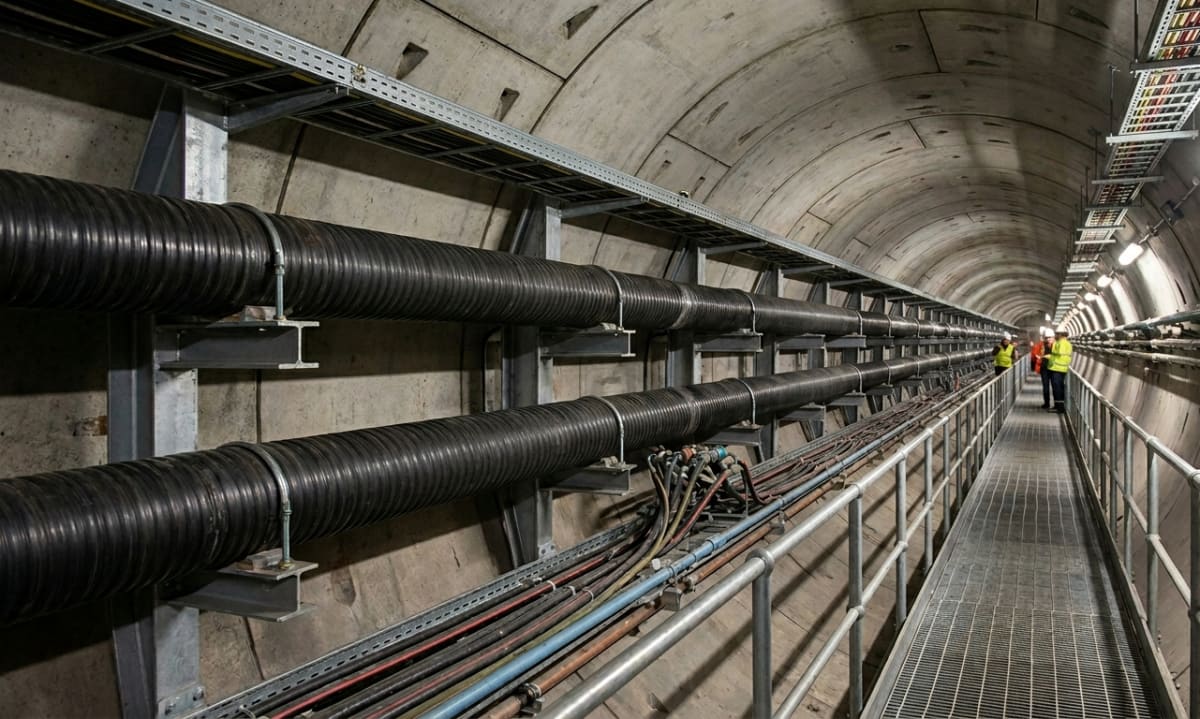
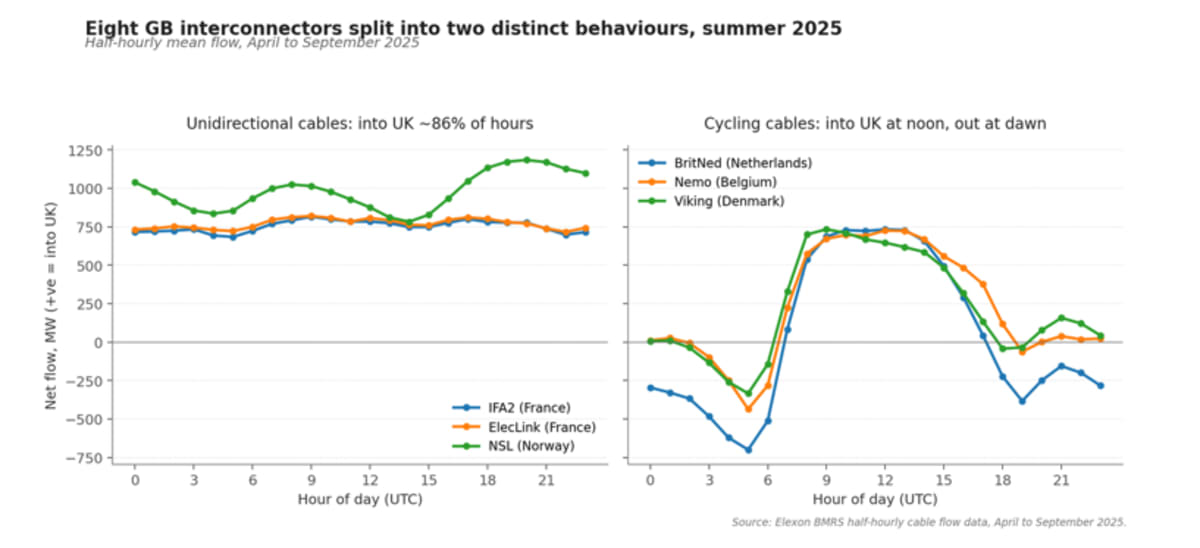
Britain has become what energy analysts call a "solar sink" for continental Europe. During daylight hours, the island imports surplus solar power from France and other neighbors through undersea cables. At night, when Britain's wind farms spin harder, the flow reverses and exports clean energy back to the continent.
French nuclear plants now flex their output by 4.4 gigawatts between midday and evening to match this new rhythm. Norwegian hydroelectric dams time their releases to take advantage of price spreads. The entire northwest European grid is learning to dance together.
The numbers from early 2026 show the trend accelerating. Wind generation jumped 34% compared to the same period in 2025, with a single day in March setting a record when turbines generated nearly 24 gigawatts. Solar peaked at over 16 gigawatts in April.
This isn't just about cleaner air. The shift displaced 7.1 billion cubic meters of natural gas from Britain's power sector in just six years. That's enough gas to heat millions of homes for a year, left in the ground instead.
The Ripple Effect
The transformation is reshaping how Britain values electricity itself. Midday power, once expensive, now sometimes falls to negative prices as clean energy floods the grid. Evening power still costs what it takes to run a gas turbine, creating opportunities for batteries and other storage technologies to capture cheap daytime energy and sell it back when prices rise.
Other countries are watching closely. Britain's experience shows that an island nation can rebuild its entire power system around variable renewables faster than most experts predicted. The interconnectors linking Britain to its neighbors prove that no country has to solve clean energy alone.
Total electricity generation stayed virtually flat across these six years, meaning renewables didn't just add to the mix. They replaced fossil fuels, gigawatt for gigawatt, proving the grid can run reliably on wind and sun.
Britain's industrial revolution began with coal; its clean energy revolution is proving the old fuel isn't needed anymore.
More Images
Based on reporting by PV Magazine
This story was written by BrightWire based on verified news reports.
Spread the positivity!
Share this good news with someone who needs it