
Broadband Access Saves Women 14M Hours Waiting in Line
Better internet access is cutting the time American women spend waiting for services, potentially reclaiming millions of hours each year. A 14-year study shows how digital infrastructure is reducing time poverty, especially for middle-income families.
Imagine getting back hours of your life you'd otherwise spend waiting in line at the DMV, on hold with customer service, or standing at the pharmacy counter.
Researchers studying 14 years of data just discovered that broadband internet is doing exactly that. When a community increases broadband adoption by just 10%, residents spend 1.19% less time waiting for goods and services. That translates to 1.5 hours saved per person each year.
The numbers get even better for women. That same 10% increase in broadband adoption leads to an 11% drop in waiting time for women specifically. Nationally, that could mean 14.4 million hours reclaimed annually.
The reason is simple but powerful. As more businesses, healthcare providers, and government offices offer online services, people handle tasks from home. Those who still need to visit in person find shorter lines because fewer people are showing up.
The impact matters most for women because they still handle most caregiving and household responsibilities. They're not just waiting for themselves but also waiting on behalf of kids, aging parents, and other family members. Studies show women have 20% less leisure time than men as a result.
With 24 million Americans still lacking broadband access, the researchers calculated that a 10% nationwide increase could reclaim 36.5 million hours annually. At average wages, that time is worth about $1.2 billion.
The Ripple Effect
The research reveals an important pattern about who benefits most. Middle-income people see the biggest time savings when broadband expands in their communities. But low-income individuals still face consistently long wait times regardless of how well connected their county is.
The gap points to what researchers call the second digital divide. It's not just about having access to technology but knowing how to use it effectively. High monthly subscription fees and limited digital skills may prevent low-income families from enjoying the same benefits.
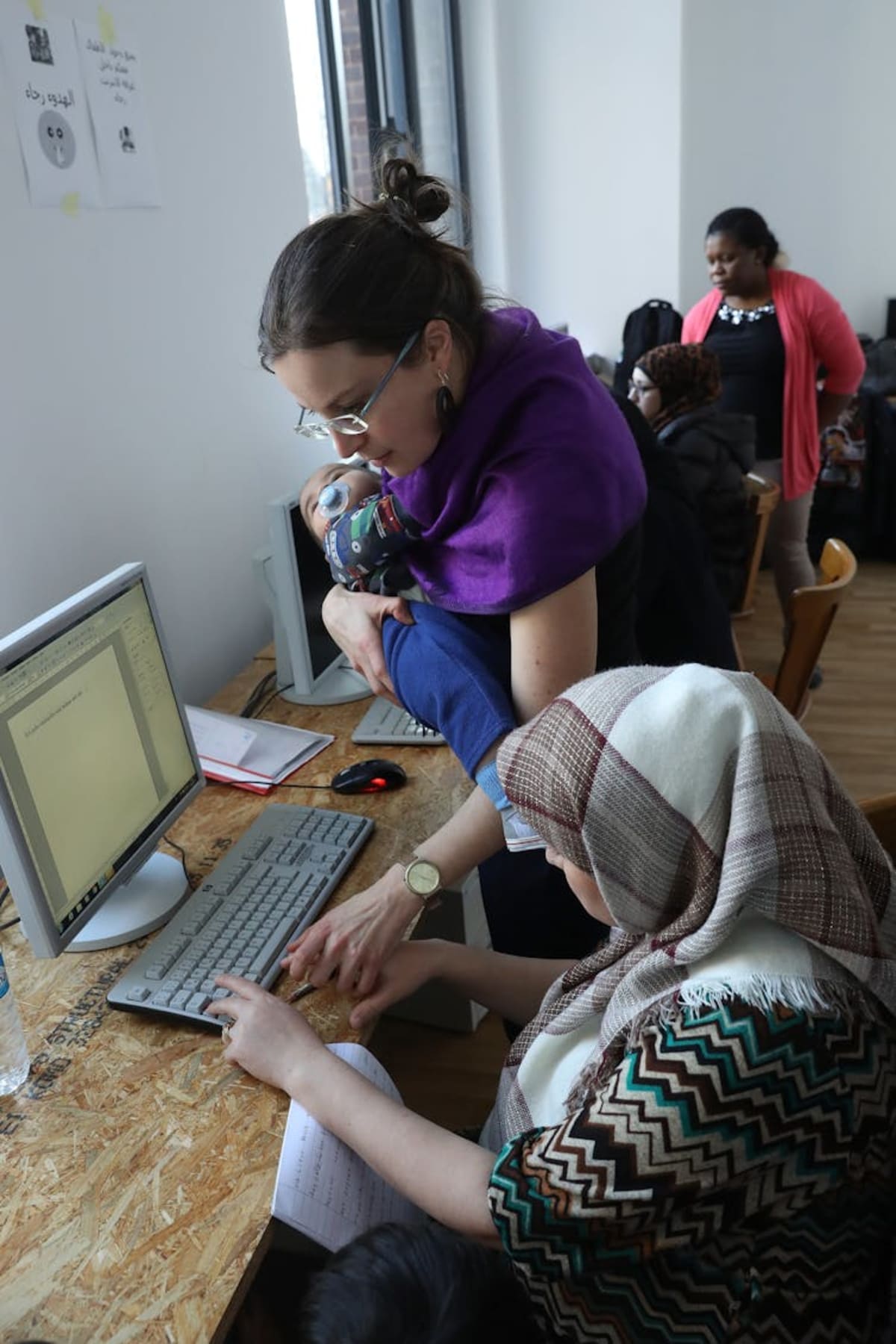
That finding is pushing policymakers to think beyond just laying fiber optic cables. Experts now recommend pairing broadband expansion with digital literacy programs and affordability initiatives. Community-based training sessions at libraries and targeted outreach could help ensure women at all income levels can translate internet access into real time savings.
When technology works for everyone, nobody has to spend their precious time just standing in line.
More Images
Based on reporting by Google News - Poverty Reduction
This story was written by BrightWire based on verified news reports.
Spread the positivity!
Share this good news with someone who needs it