Broccoli Compound Shows Promise for Fatal Rare Disease
Australian researchers discovered a compound from broccoli could treat Friedreich ataxia, a rare genetic disease with no cure that affects 260 Australians. The affordable treatment might help patients live longer, healthier lives.
A molecule found in broccoli could become a lifeline for people with a rare genetic disease that currently has no cure.
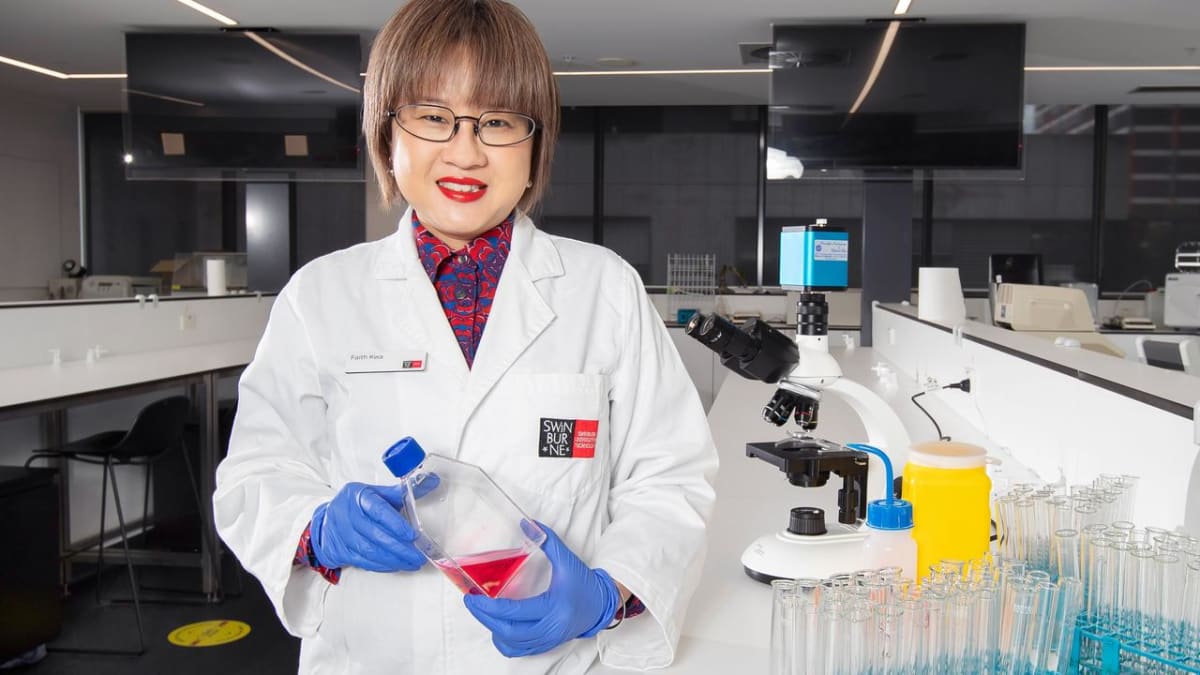
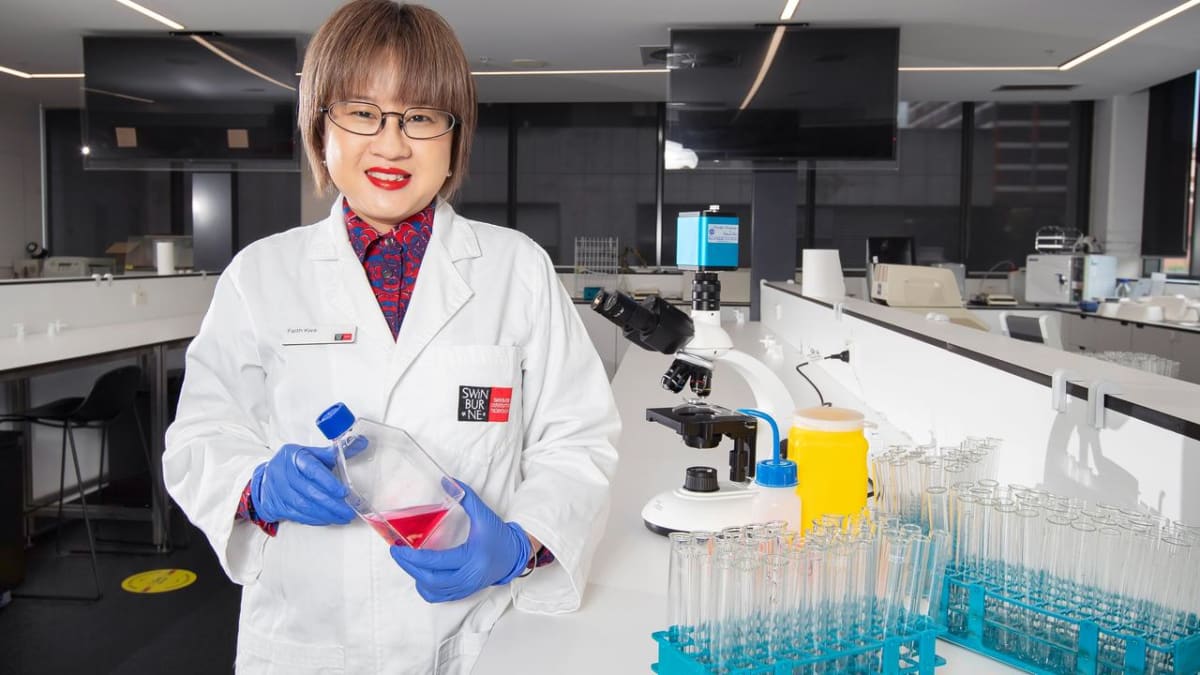
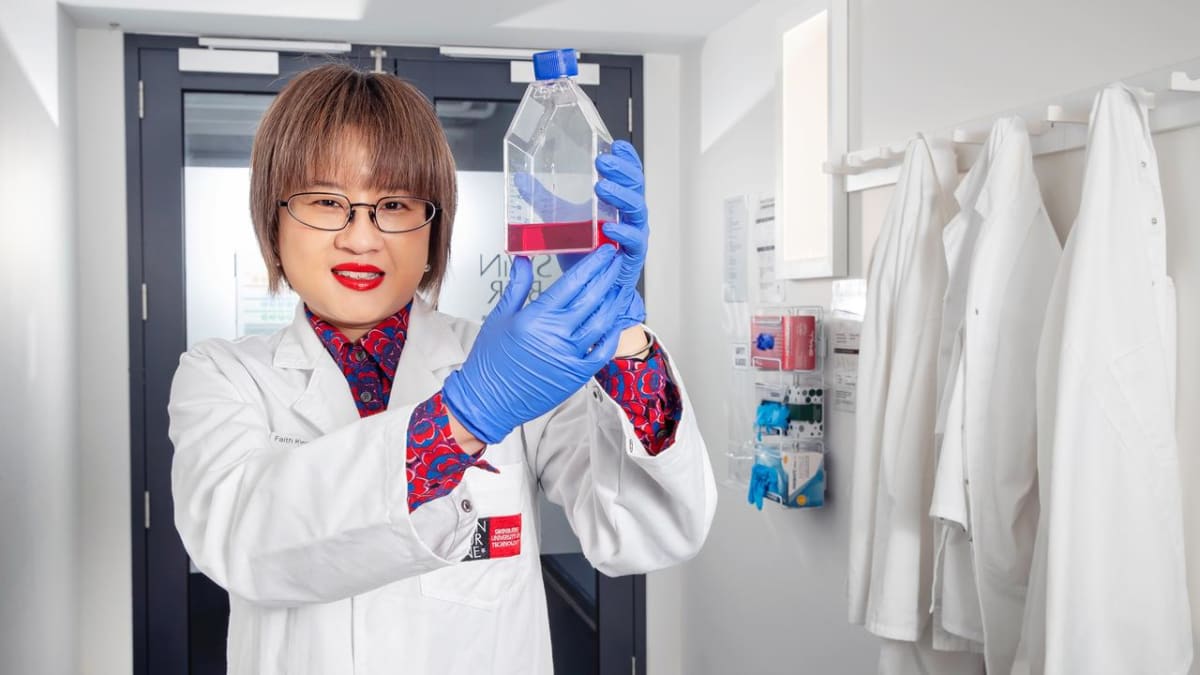
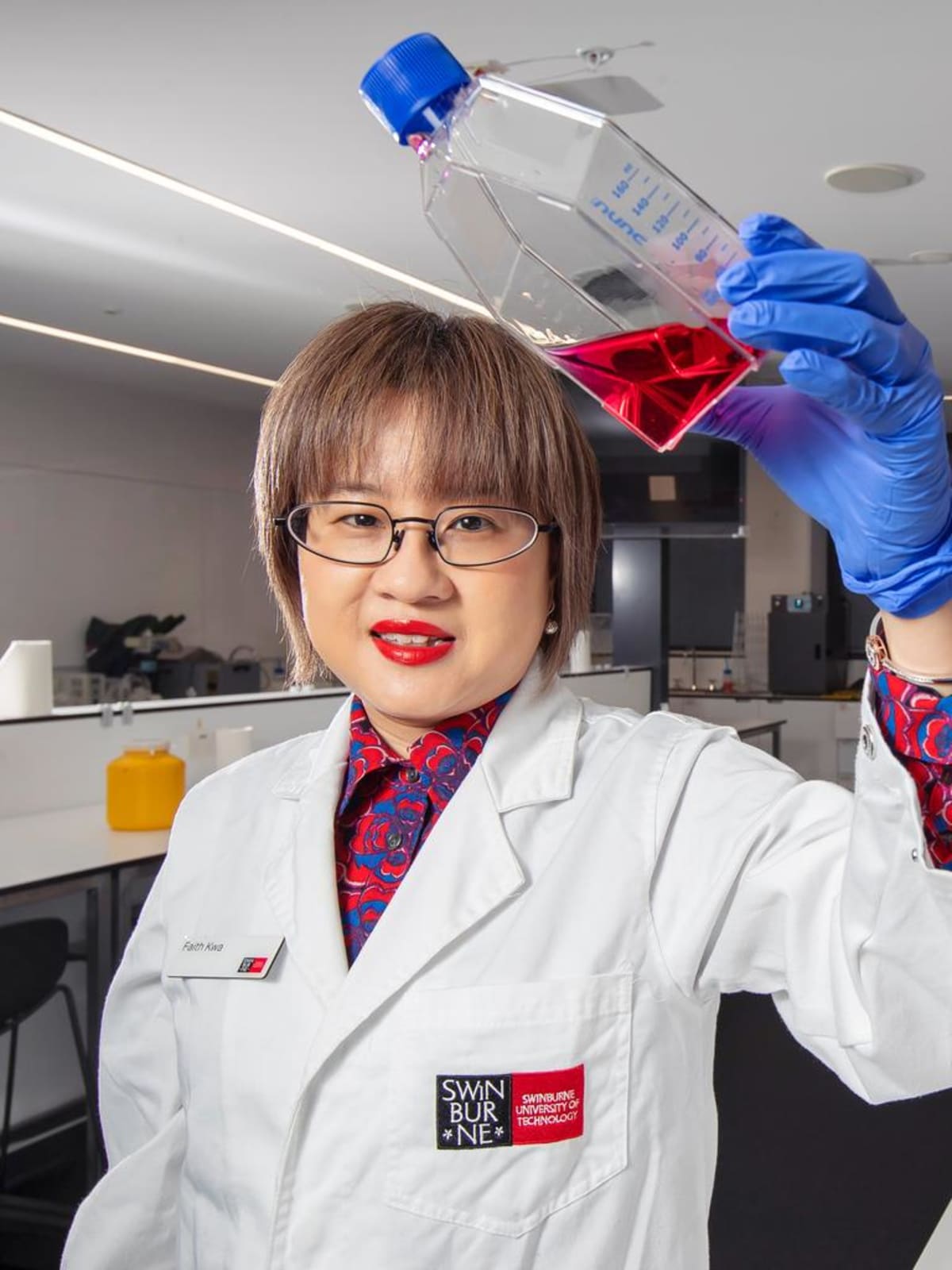
Associate Professor Faith Kwa and her team at Swinburne University discovered that sulforaphane, a compound in cruciferous vegetables like broccoli, shows remarkable promise in treating Friedreich ataxia. The disease affects around 260 Australians and typically claims lives around age 50.
Friedreich ataxia results from a genetic mutation that reduces frataxin protein levels, causing dangerous iron buildup in cells throughout the body. This buildup gradually damages the spinal cord and nervous system, robbing patients of their ability to walk, speak clearly, and function independently.
Most patients need wheelchairs within 10 to 15 years of diagnosis. The disease often strikes during childhood or adolescence, devastating families who watch their loved ones lose mobility and face serious heart complications.
Currently, only one FDA-approved medication exists, but it only works for people over 16, doesn't fix the underlying genetic problem, and costs a fortune. The drug manages symptoms without addressing what causes them.
That's where broccoli enters the picture. Professor Kwa's team tested sulforaphane on sensory neurons from three patients with different mutation levels. The compound didn't just protect the cells at the same doses used in cancer research, it appeared to target the genetic mutation itself.
Unlike chemotherapy that damages healthy cells alongside diseased ones, sulforaphane seems to know the difference. It protects nervous system cells while selectively attacking cancer cells in other studies, suggesting it could work without harsh side effects.
The compound can cross the blood-brain barrier, a crucial advantage many experimental drugs lack. Pure, bioactive sulforaphane is already commercially available, with therapeutic doses starting around $5,000 per year compared to far more expensive alternatives.
Research shows sulforaphane is safe for both children and adults. This matters enormously since Friedreich ataxia often appears in young people who desperately need treatment options.
Why This Inspires
This discovery represents everything hopeful about medical research. A devastating disease that robs people of their futures might be slowed or stopped by something growing in gardens worldwide.
The compound already exists, it's proven safe, and it's relatively affordable. No decades-long drug development process, no astronomical price tags putting treatment out of reach for desperate families.
Professor Kwa's team now needs funding for clinical trials to test sulforaphane in patients and determine optimal doses. These trials could prove that an everyday vegetable holds the key to fighting one of the world's rarest diseases.
For 260 Australian families and thousands more worldwide living with Friedreich ataxia, broccoli might transform from a dinner table vegetable into genuine hope for longer, healthier lives.
More Images
Based on reporting by Google News - Disease Cure
This story was written by BrightWire based on verified news reports.
Spread the positivity!
Share this good news with someone who needs it